
Last updated November 15, 2026
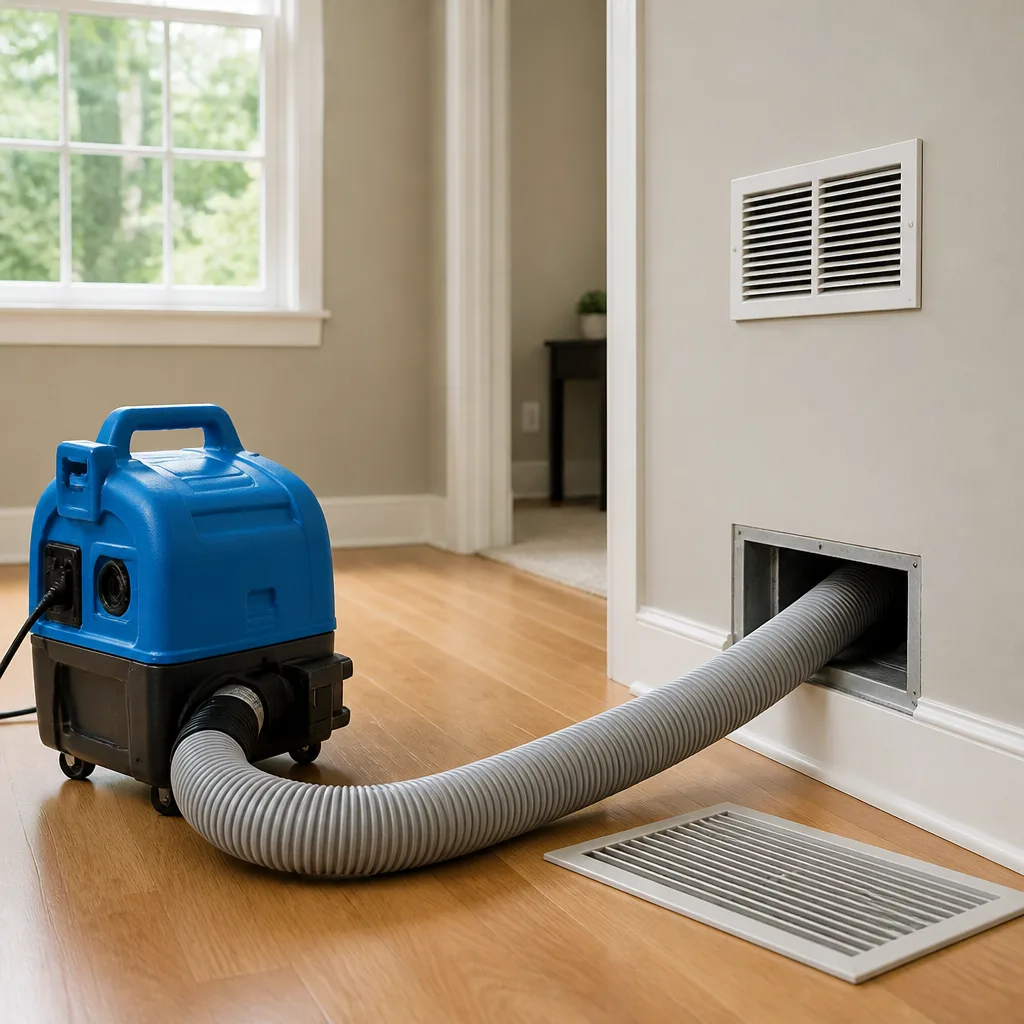 Whole-home duct cleaning
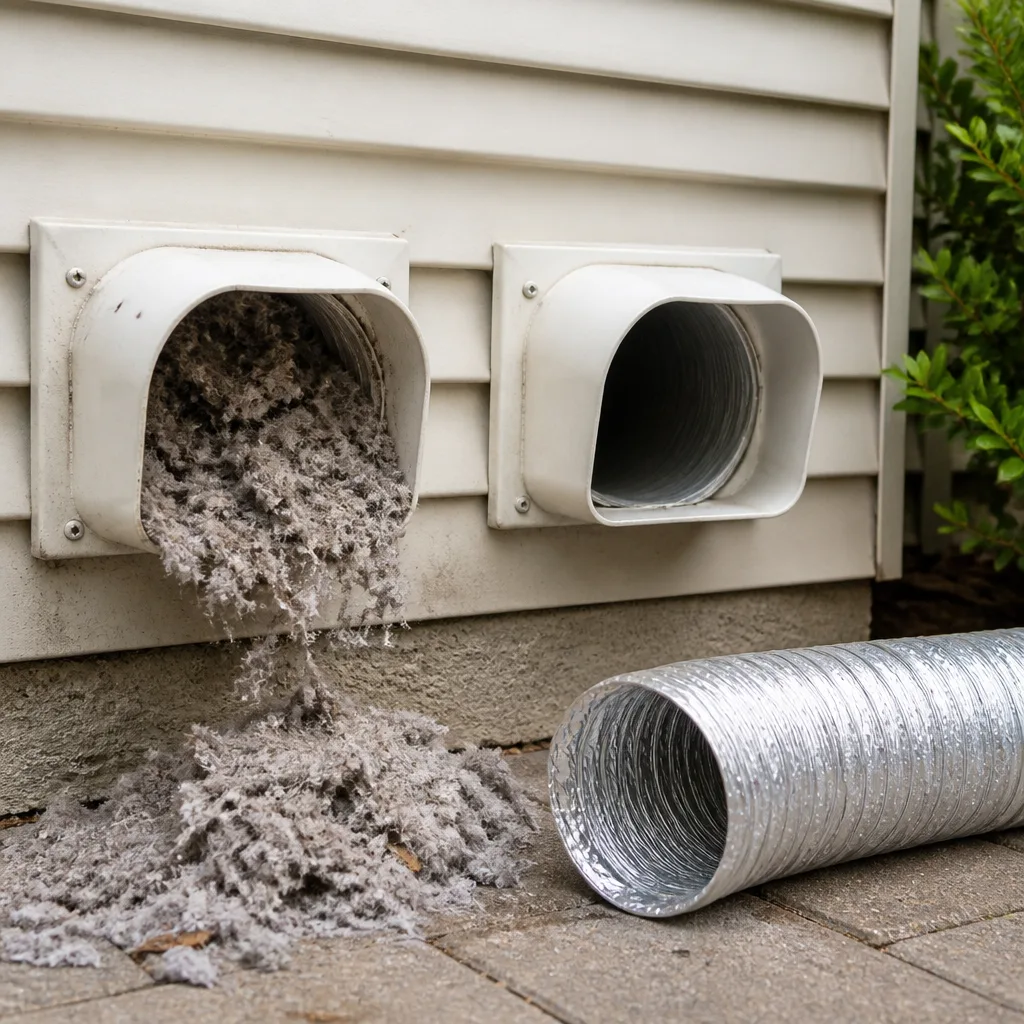 Dryer vent cleaning
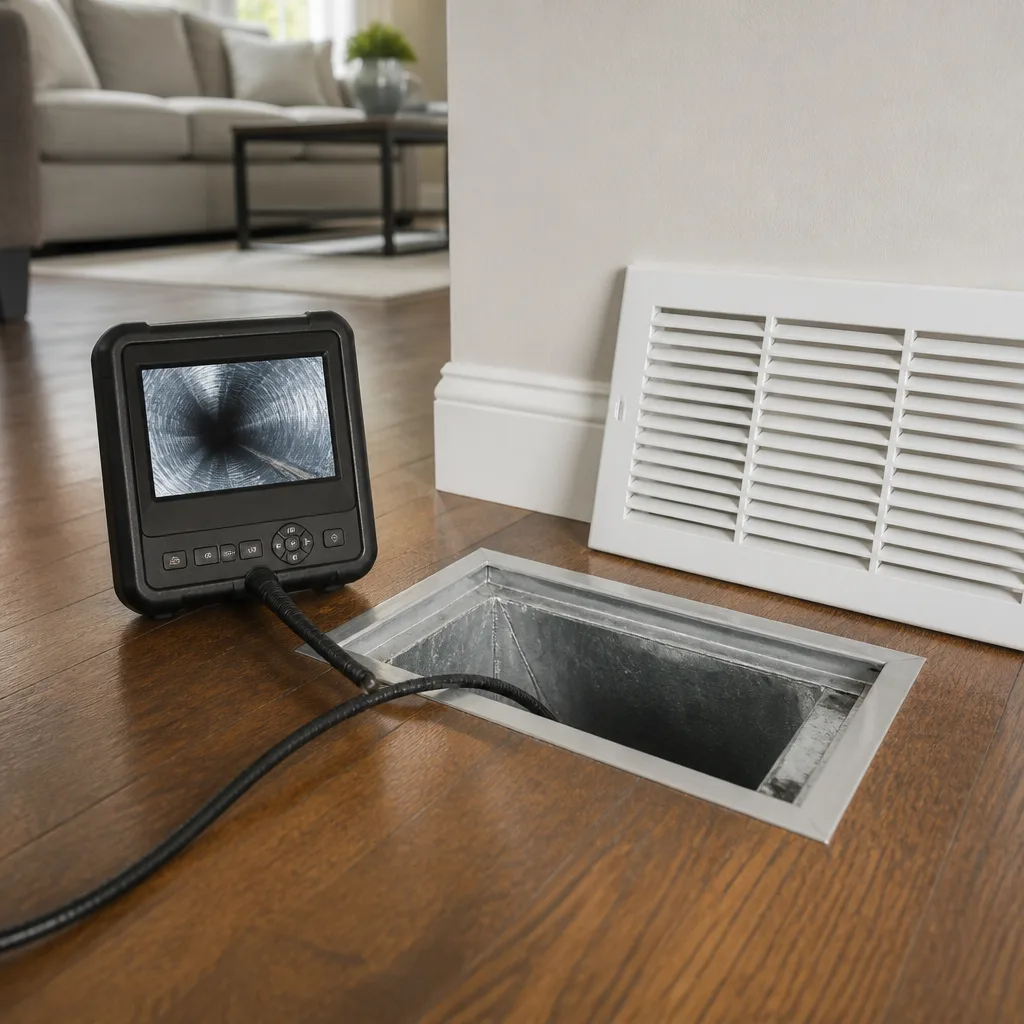 Camera inspection
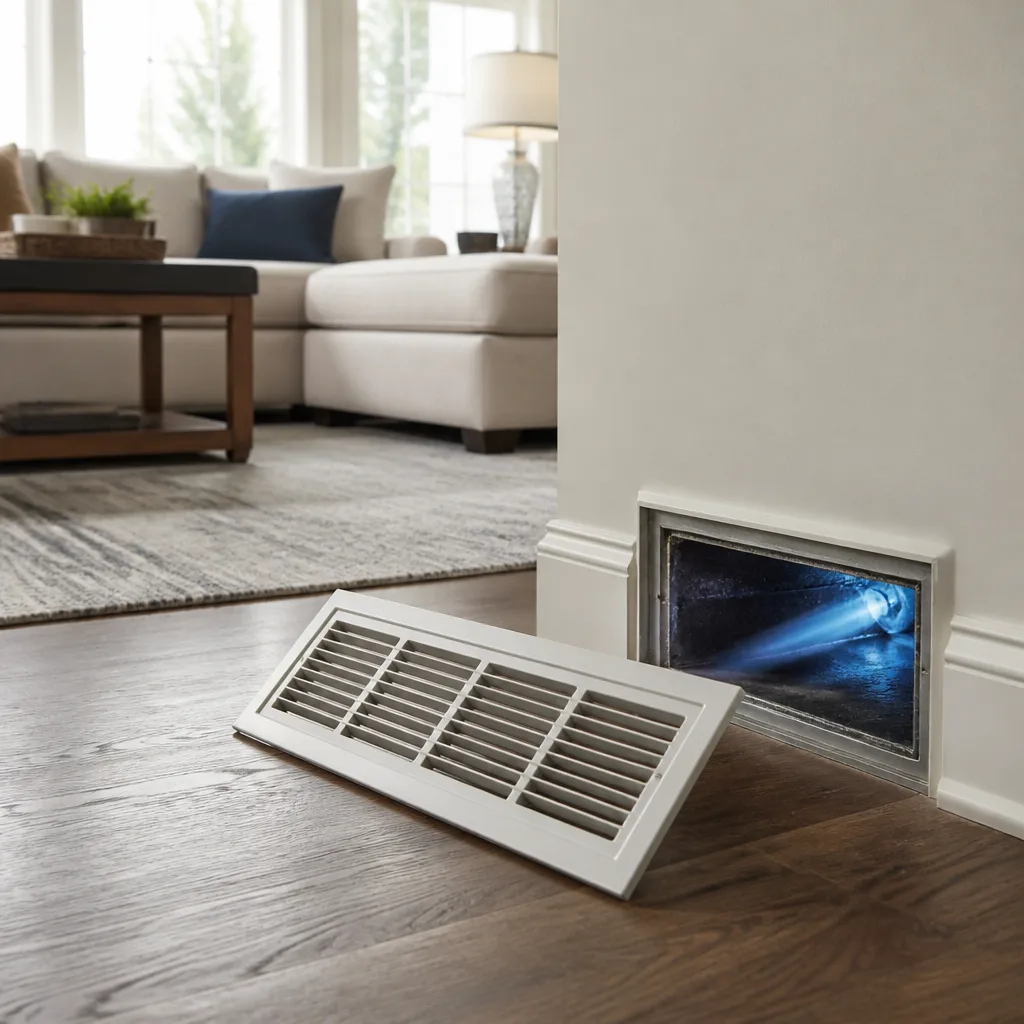 Sanitizing & deodorizing
Whole-system duct and dryer vent check with before-and-after photos - you see exactly what came out of your vents
That "$99 whole-house special" is a bait ad - the real number appears once they are in your hallway, or the "clean" is a shop-vac at the register. We photograph the inside of your ducts before and after instead.
Air Duct Cleaning Maintenance Schedule: What to Do and When
The most quoted duct cleaning rule in America – every three to five years – was never written for South Florida. It assumes a home that runs its air handler a few months a year, dries out between seasons, and sits in a climate where dust settles instead of sticking. Miramar doesn’t work that way. Between the humidity, an eleven-month cooling season, and the flex-duct construction that went into most Miramar homes built from the 1980s through the 2000s, your ductwork collects debris on a faster cycle than that old guideline accounts for. Follow the three-to-five-year rule here and you’ll spend roughly half your system’s life running on dirty ducts. This guide replaces the generic interval with a tiered calendar built around conditions that actually exist in Miramar – month-by-month filter cadence, material-specific intervals, and the trigger events that should override any fixed schedule.
Quick Answer
In Miramar, most homes need professional air duct cleaning every two to three years, not the widely cited three to five. Flex-duct systems in homes with pets, allergy sufferers, or heavy AC runtime often need it closer to every two years. Between professional cleanings, the homeowner’s job is filter changes every 60 to 90 days during the June-to-October rainy season, register grille vacuuming monthly, and a visual inspection of the air handler and duct runs twice a year. Anything that involves standing water, visible mold, or damaged duct liner needs a professional inspection rather than a calendar date.
Styles & brands we work with
- Whole-home duct cleaning
- Dryer vent cleaning
- Camera inspection
- Sanitizing & deodorizing
Table of Contents
- Why the Three-to-Five-Year Rule Doesn’t Hold in Miramar
- A Month-by-Month Maintenance Calendar for Miramar Homes
- Cleaning Intervals by Duct Material: Flex, Sheet Metal, and Duct Board
- Trigger-Based Cleaning: When Conditions Override the Calendar
- What Homeowners Can Do Between Professional Cleanings
- How to Track Your Duct Cleaning History
- The June-to-October Rainy Season: What Changes
- Dryer Vent Cleaning: A Separate, Shorter Schedule
Why the Three-to-Five-Year Rule Doesn’t Hold in Miramar
The federal recommendation of every three to five years was developed as a general benchmark, not a climate-specific one. It was written before flex duct became the dominant residential duct material in warm-climate construction, and it never accounted for a house that runs its air conditioning almost every week of the year. In Miramar, the AC is the primary air mover for the entire home in a way it simply is not in a cooler climate. That changes the math considerably.
Three factors speed up the fouling cycle here:
- Year-round runtime. A system that runs eleven months a year moves roughly three to four times the air volume of a system in a mild climate that runs three months. More air moved means more dust, pollen, and skin cells deposited on coil faces and duct walls.
- Humidity inside the ductwork. Miramar’s summer air carries a lot of moisture. When the AC cycles off, the coil and the duct interior warm up with that moisture still present. Debris that would stay dry and dust-like in Arizona becomes tacky and clings to flex-duct corrugations.
- Flex-duct construction. Most Miramar homes built from the 1980s through the 2000s used flexible duct in the attic runs. Flex duct has a corrugated interior that catches debris in every ridge. Sheet metal duct is smooth and self-scouring by comparison.
The practical result is that a Miramar homeowner following the three-to-five-year guideline is typically two years past due by the time they call us. In our experience, that gap shows up as reduced airflow to the back bedrooms, higher static pressure at the air handler, and a musty smell when the system first kicks on. Those are the symptoms of a system that was cleaned on the wrong schedule, not the wrong method.
A Month-by-Month Maintenance Calendar for Miramar Homes
Here’s the calendar we recommend to Miramar homeowners. It’s built around the region’s seasonal rhythms – specifically the June-to-October rainy season, when mold spore counts rise and debris accumulation in the return ducts accelerates. Print it or save it to your phone; it’s the same schedule we use when a homeowner asks us how often to clean air ducts in Miramar FL.
January through May (Dry Season)
- Filter change: Every 60 to 90 days. Check the filter monthly and replace when it’s visibly gray. A 1-inch pleated filter loads up faster than a 4-inch media cabinet filter.
- Register grille wipe-down: Once a month. Vacuum or wipe the return grilles with a damp cloth. This is the single highest-return homeowner task on the list.
- Air handler visual check: February and May. Look through the access panel (not the coil itself – leave that to a technician) and check for standing water in the drain pan, loose insulation, or visible debris on the blower wheel.
- Professional cleaning check: May, before the rainy season. If it’s been two years or more since your last professional cleaning, book it now rather than waiting for the July smell.
June through October (Rainy Season)
- Filter change: Every 30 to 60 days. This is the big calendar change for Miramar. Higher indoor humidity, more outdoor spore load, and near-constant AC runtime all load the filter faster. A filter that would last 90 days in February may need replacing in 45 days in August.
- Register grille wipe-down: Every two weeks. Mold spores settle on cool grille surfaces and mix with condensation. Wiping them is a five-minute job.
- Check the condensate drain line: Monthly. A clogged drain line is a water intrusion event waiting to happen, and a water intrusion event is the fastest way to turn “clean ducts” into “ducts that need cleaning and inspection.”
- Smell check: A musty or earthy smell at startup means something is growing. Don’t mask it with a spray; book an inspection.
November and December (Transition)
- Full visual inspection of accessible duct runs: November. Look for disconnected flex duct, torn liner, or crush damage. If the attic access is reachable and safe, a flashlight sweep takes twenty minutes.
- Schedule the next professional cleaning: December. Booking the next clean before the new year makes it easy to remember, and it puts the work on the schedule before the busy pre-summer window.
The yearly routine, boiled down: professional cleaning every two to three years, professional inspection every year, filter changes every 30 to 90 days depending on season, and register grille wipe-downs monthly or biweekly.
Cleaning Intervals by Duct Material: Flex, Sheet Metal, and Duct Board
Duct material changes the cleaning interval as much as climate does. A Miramar home with all flex duct and a home with sheet metal trunk-and-branch lines don’t age at the same rate, even if they’re the same age and house size. Here’s how the three main materials stack up.
Flexible Duct (Flex Duct)
Recommended interval in Miramar: every two to three years. Flex duct is the most common duct material in Miramar homes built from the mid-1980s onward. The interior is corrugated, which means debris catches at every ridge instead of blowing past. When flex duct gets loaded, airflow drops and the whole system works harder. Flex duct is also more prone to crush damage when it’s routed through tight attic spaces, and a crushed flex run catches even more debris because the air velocity drops.
Cleaning flex duct requires contact cleaning – a rotary brush that agitates the debris off the interior wall – combined with negative pressure to extract it. Blow-and-go methods don’t remove the ridge debris; they just move it down the line. We use Rotobrush rotary contact equipment paired with Nikro negative-pressure extraction specifically because flex duct demands it.
Sheet Metal Trunk-and-Branch
Recommended interval: every three to four years. Sheet metal duct has a smooth interior, so debris doesn’t cling the way it does to flex. If the joints are properly sealed, sheet metal ducts can stay cleaner longer. But sheet metal attic runs in Miramar still absorb humidity during the rainy season, and the seams collect dust over time. Cleaning is usually straightforward – contact cleaning removes the film and the extraction stage pulls it out.
Fiberglass Duct Board
Recommended interval: every two to three years, with inspection annually. Duct board – rigid fiberglass panels used as duct in some older Miramar homes – is the most sensitive of the three. The interior surface is porous fiberglass, so it traps debris and, once it’s loaded, it stays loaded. Duct board is also prone to damage if it’s cleaned with the wrong equipment. Aggressive brushes can tear the interior liner. This is the material where method matters most: a technician using the right tooling on duct board cleans it; a technician using the wrong tooling damages it.
If your Miramar home was built in the 1980s and you’ve never had the ducts inspected, start with a visual check of the accessible runs. Any duct board that has visible moisture damage or fiber shedding should be repaired before cleaning.
Trigger-Based Cleaning: When Conditions Override the Calendar
A fixed interval only works when conditions are stable. Plenty of Miramar homes have events that mean the ducts need cleaning well before two years, or that put off the next cleaning because nothing has changed. These are the triggers we look for during an inspection, and they should override any calendar date.
- New pet in the home. Pet dander and hair load into the return duct faster than any other household source. A home that adds a dog or cat usually needs cleaning pulled forward by six months to a year.
- Renovation or remodeling. Drywall dust, sawdust, and construction debris get pulled into the return system during any interior remodel. Clean the ducts after the job is finished, regardless of when the last cleaning happened.
- Water intrusion. Any roof leak, plumbing failure, or condensate overflow that touches the attic insulation or duct exterior should trigger a professional inspection. Water and duct insulation are a bad combination in Miramar’s climate.
- Occupant with asthma, allergies, or immune compromise. The reason to clean is to reduce allergen load, and a respiratory-sensitive occupant is the clearest non-calendar reason to move up the schedule.
- Moving into a new home. You don’t know the previous owner’s habits. A cleaning before move-in is standard practice and gives you a documented baseline.
- Visible mold at the registers or air handler. This isn’t a “schedule it in a few months” trigger. Mold growth needs inspection now – a professional with containment and HEPA filtration equipment can address it properly.
- Persistent airflow or efficiency complaints. If one room is consistently hot or the system runs longer than it used to, the ducts may be the bottleneck.
For property managers in Miramar, the trigger approach is often more practical than the calendar. Turnover between tenants is a natural cleaning point. Water damage from a storm or plumbing failure is another. Both are easier to document than a “we clean every X years” rule.
What Homeowners Can Do Between Professional Cleanings
You don’t need professional equipment to keep your ducts from loading up faster than they should. There’s a short list of homeowner tasks that make a real difference – and a short list of things to leave alone because they can cause damage.
Safe Homeowner Tasks
- Change the filter on schedule. This is the highest-leverage maintenance task in the house. A loaded filter restricts airflow, which means the blower pulls harder on the return ducts and accelerates debris loading there.
- Vacuum or wipe the return and supply grilles. A damp cloth on the grille slats and a vacuum nozzle on the frame is enough. Do not spray cleaners into the grille; the liquid drains into the duct.
- Check the condensate drain line. Pour a cup of water down the access port at the air handler and see that it flows freely to the drain. A clogged line is the most common cause of indoor water intrusion around HVAC systems.
- Look at the register airflow. Hold your hand at a register. If airflow is noticeably weaker than it was last season, that’s a signal, not a maintenance task. Note it and call a professional.
- Watch the filter housing for gaps. A filter that doesn’t seal at the edges lets dust bypass it entirely and go straight into the coil and ducts. A piece of weatherstripping or a properly sized filter fixes it.
Leave These to a Professional
- Do not use a shop vacuum or a consumer-grade duct brush on flex duct. A shop vacuum’s suction can collapse the flex, and a consumer brush can tear the interior liner. Once the liner is torn, the duct has to be replaced.
- Do not remove register boots or attempt to reach into the ductwork. Duct board and fiberglass liner are easily damaged by hand contact.
- Do not spray disinfectants, foggers, or “duct cleaners” into the return. These can wet the insulation, void equipment warranties, and coat the coil with a residue that’s harder to remove than the debris it replaced.
- Do not attempt to clean the evaporator coil yourself. The coil fins are delicate, and a bent fin reduces system efficiency permanently.
The line is simple: filters and grilles are yours; anything past the grille is a trained technician’s job.
How to Track Your Duct Cleaning History
A maintenance log is unglamorous, but it pays off in three situations that come up repeatedly for Miramar homeowners: selling the house, filing an insurance claim after water damage, and getting a straight answer from an HVAC technician about whether the ducts are the problem.
Here’s a simple format that works. Keep it as a physical binder in the HVAC closet or as a note on your phone.
- Date of service. The exact day, not just the month. Insurance and real estate paperwork both want specifics.
- Service performed. “Air duct cleaning,” “dryer vent cleaning,” “air duct repair,” or “inspection.” Be specific if the technician fixed a disconnected flex run or replaced a boot.
- Equipment used, if noted. For example, “Rotobrush contact cleaning with Nikro negative-pressure extraction.” If the technician mentions specific equipment, write it down – it tells the next company what was done.
- Before-and-after condition notes. A photo taken with a phone and stored with the log is worth more than a paragraph of description.
- Technician or company name. Useful if you need a follow-up visit or want the same team back.
- Filter changes. Log the date and the filter size. A year of filter changes tells an HVAC technician more than almost anything else about system behavior.
- Any water events. If a storm, roof leak, or plumbing failure touched the system, log it even if no cleaning was done. That’s the record that matters if a claim is filed later.
When you sell a Miramar home, the log is a small but real asset. A buyer’s inspector who asks “when were the ducts cleaned?” and gets a written, dated answer is a buyer with fewer reasons to negotiate.
The June-to-October Rainy Season: What Changes
If you take one seasonal point from this guide, take this: the rainy season is not a maintenance-neutral period in Miramar. From June through October, the outdoor humidity stays high, mold spore counts peak, and the AC usually runs nearly all day. All three affect how fast your ducts load up.
What changes during the rainy season:
- Filter life shortens. Plan on 30 to 60 days per filter instead of 60 to 90. If you’re not sure, hold the old filter up to a light; if you can’t see light through it, it was changed too late.
- Condensation on registers is common. Cool supply air meets humid indoor air at the grille and forms condensation on the metal. That condensation is harmless on the surface, but it’s a reason to wipe the grilles more often – a wet grille with debris on it is a good place for mold to start.
- Airflow issues show up more. A system that was borderline in February may not keep up in August. If one room gets noticeably hotter in the rainy season, the ducts may be part of the story.
- Smells are a better warning than they seem. The “gym bag” smell at start-up is often duct debris that has been wet and is now drying out. If it’s new this season, get an inspection.
Professional cleaning booked in May, right before the rainy season, sets a system up to run clean through the hardest months of the year. That’s why our recommended professional schedule for Miramar is May, with a follow-up if the system shows symptoms during the season.
Dryer Vent Cleaning: A Separate, Shorter Schedule
Dryer vent cleaning is not the same schedule as duct cleaning, and treating them as one job is a mistake. Your dryer vent needs cleaning every 12 to 18 months in a typical Miramar home, and more often if you run multiple loads per week or use the dryer for pet bedding. The vent is a fire-safety item, not a housekeeping item. Lint accumulates in the vent line, and a loaded vent line is one of the most common causes of residential house fires.
The signs it’s time:
- Clothes take longer than one cycle to dry.
- The dryer gets hot to the touch on top or on the door.
- There’s a musty smell in the laundry area.
- The exterior vent flap doesn’t open freely when the dryer runs.
- You haven’t had it cleaned in over a year and you can’t remember the last time.
Dryer vent cleaning uses the same professional tooling as duct work – rotary contact equipment and negative-pressure extraction – which is the difference between a real cleaning and a handyman with a shop vac at the exterior flap. If the vent line is long, has multiple elbows, or runs through an attic or wall cavity, the professional equipment is the only way to actually reach the buildup.
Our dryer vent cleaning service uses the same Rotobrush and Nikro equipment we bring for duct work, because the physics of lint and the physics of duct debris are similar: agitation plus extraction, not just blowing air through.
Common Mistakes to Avoid
- Following the three-to-five-year rule without adjustment. A Miramar home running its AC eleven months a year loads its ducts faster than a home in a mild climate. Every two to three years is the realistic interval here. Following the old benchmark almost guarantees you’re running dirty for half the cycle.
- Cleaning the ducts but skipping the dryer vent. The two systems are separate and both need attention. A homeowner who cleans the ducts every two years but hasn’t touched the dryer vent in five has done half the job.
- Trusting a “blow-and-go” cleaning. If the technician shows up with a blower and no negative-pressure extraction, the debris is being pushed into the house, not removed. Contact cleaning plus negative pressure is the standard.
- Putting off a water intrusion event. A roof leak or plumbing failure that wets the attic insulation or duct exterior needs a professional inspection right away in Miramar’s climate. Waiting a month to see if it dries is the wrong call.
- Using consumer duct brushes on flex duct. A ten-dollar brush from a home improvement store can tear the interior liner of a flex run permanently. That’s a repair bill, not a savings.
- Keeping vague records. “Cleaned the ducts a couple of years ago” is not useful at resale or in an insurance claim. Date it, note the service, and keep a photo.
- Changing filters on the calendar instead of on the filter. A filter that looks clean at 45 days in August may be loaded by 60. If you can’t see light through it, change it.
See the difference
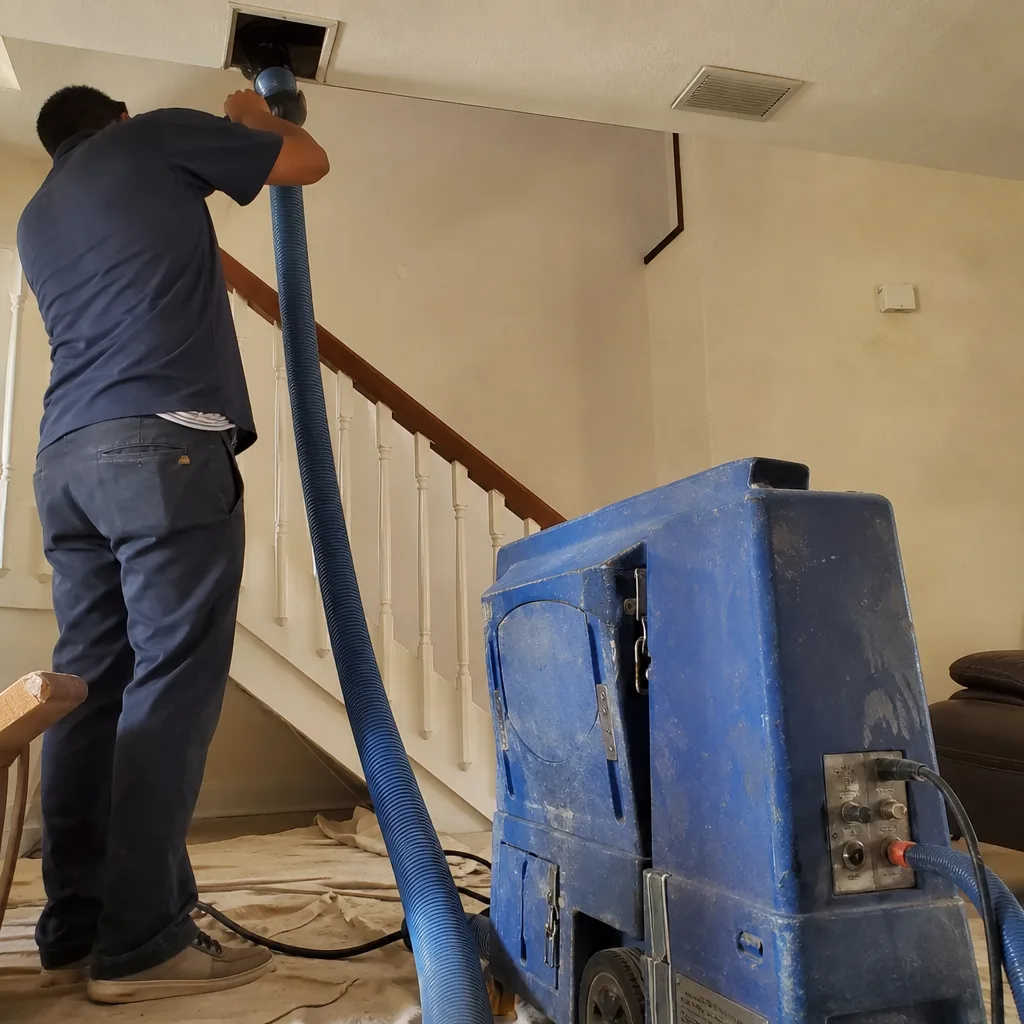 Before
 After
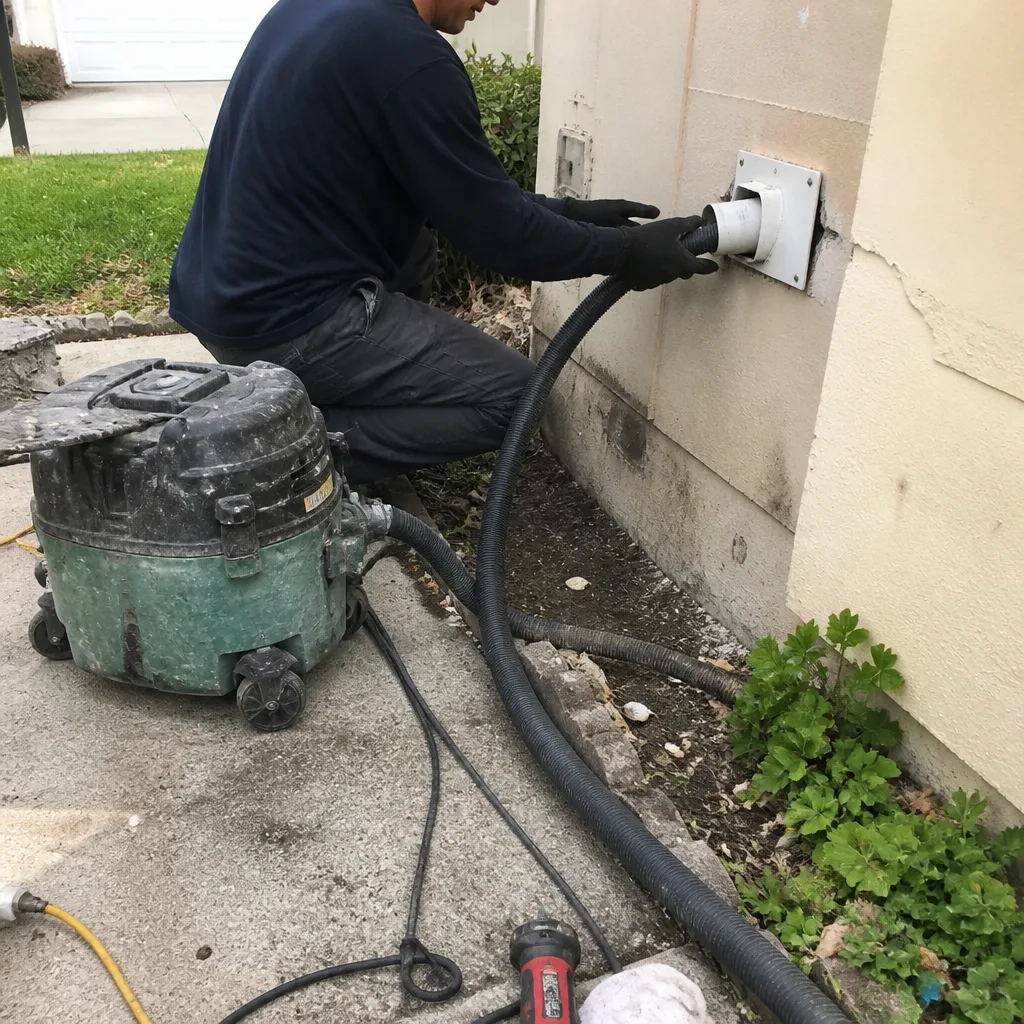 Before
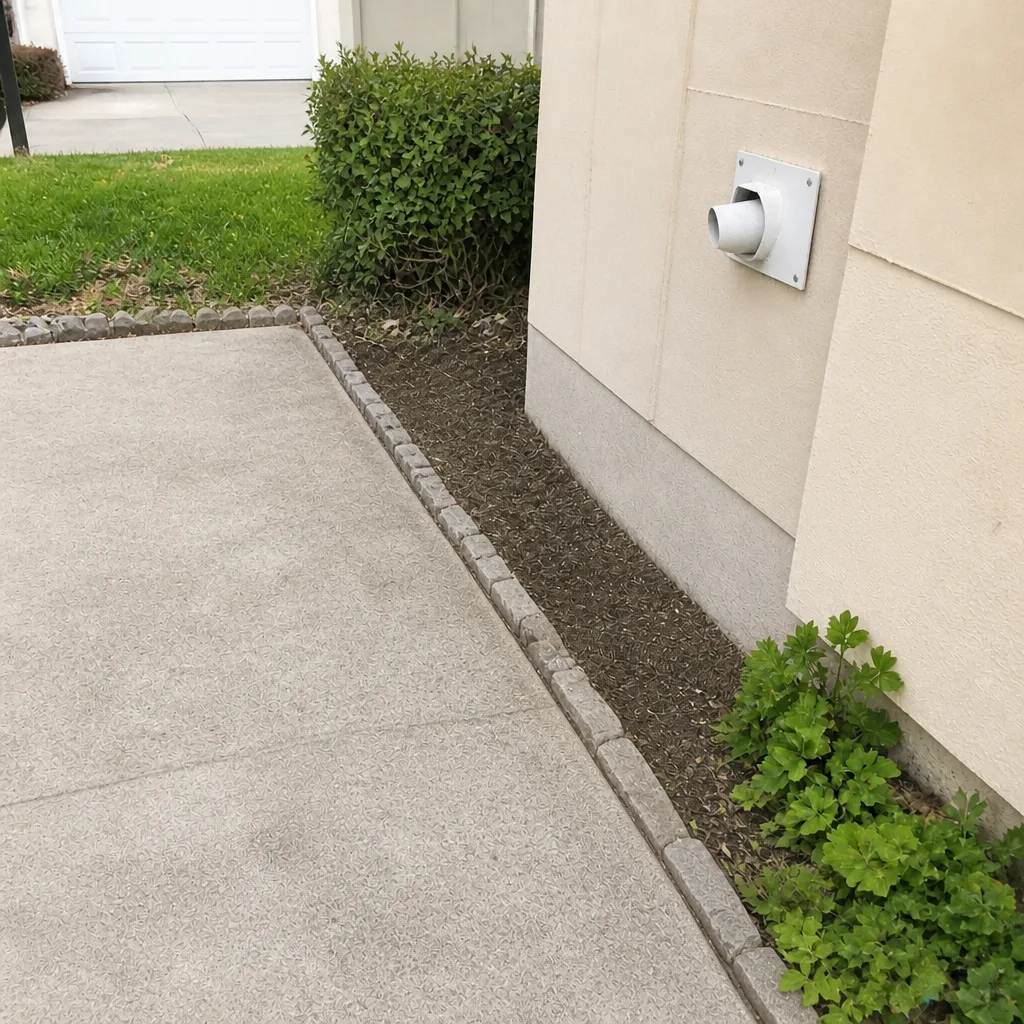 After
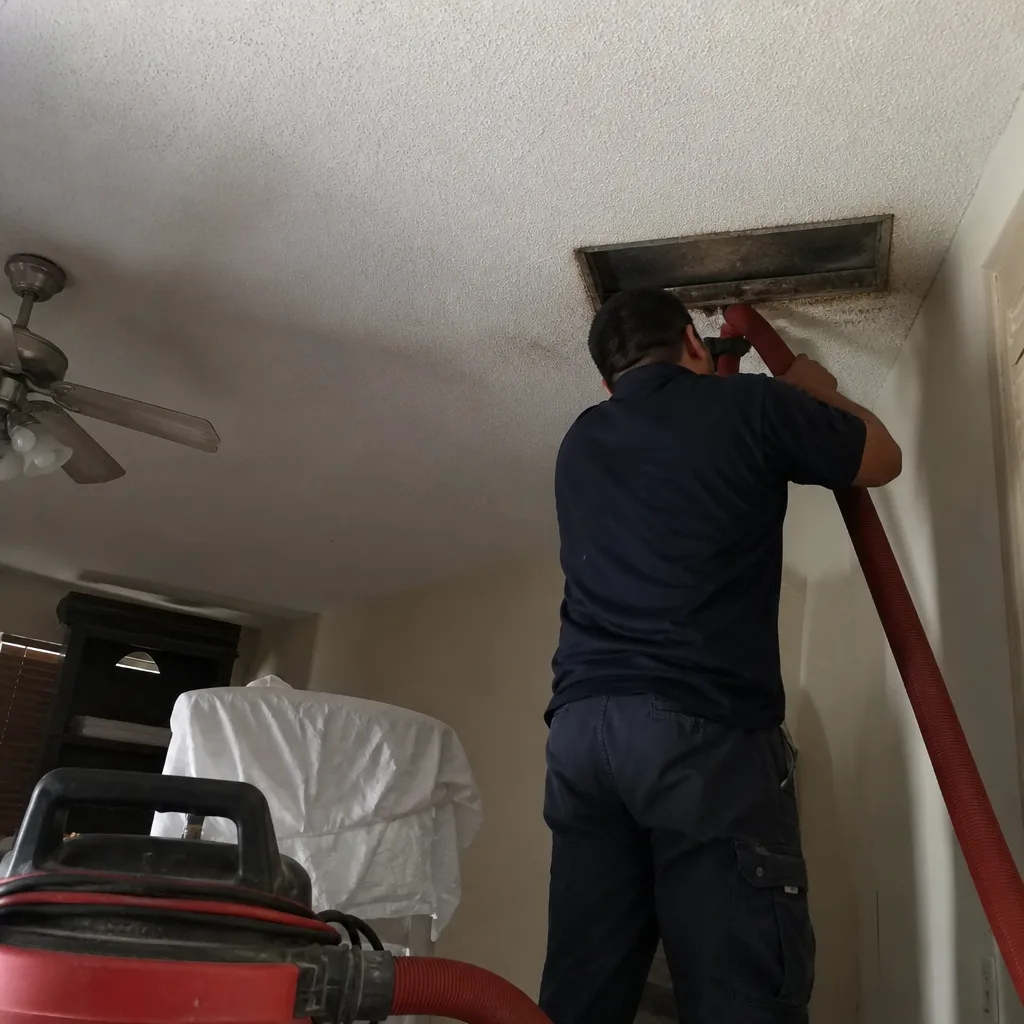 Before
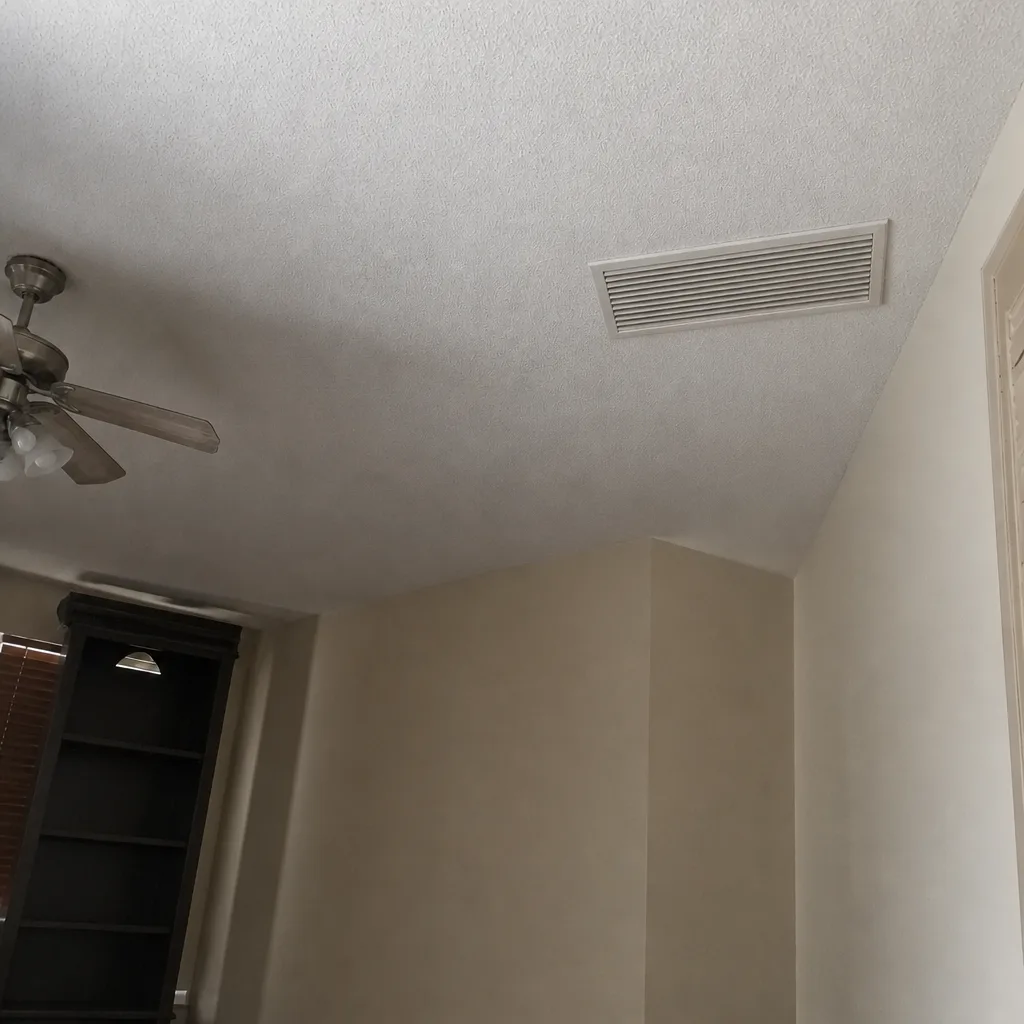 After
When to Call a Professional
Some signs mean the calendar takes a back seat and it’s time to bring someone in. Call a professional if any of these are true: you see visible mold at a register or on the air handler; the ducts were last cleaned two years ago or more and you’ve never established a baseline; you’ve had a water intrusion event involving the attic or HVAC system; someone in the home has asthma or a diagnosed respiratory condition; a renovation is underway or just finished; or the airflow at the registers has noticeably dropped since last season. If you’re not sure whether the ducts are the problem, an inspection is the right first step, and the estimate should be free. Professional air duct cleaning in Miramar starts with a look, not a sales pitch. Duct Cleaning Miramar offers free estimates in Miramar – call (877) 583-7369.
Frequently Asked Questions
Every two to three years for most Miramar homes, not the three-to-five years you’ll see quoted elsewhere. The shorter interval reflects year-round AC runtime, rainy-season humidity, and the flex-duct construction common in homes built from the 1980s through the 2000s. Homes with pets, allergy sufferers, or recent renovation work should lean toward the two-year end. Call (877) 583-7369 for a free estimate – estimates are free and the price is set per job by the written estimate.
Yes. The June-to-October rainy season raises outdoor humidity and mold spore counts, and the condensation that forms on cool duct surfaces makes debris cling harder in flex-duct corrugations. In practice, that means Miramar ducts load faster than ducts in a drier climate and the interval shortens accordingly. If you’re tracking a schedule, plan the professional cleaning for May, right before the rainy season begins.
No. Homeowners can and should change filters, wipe register grilles, and check the condensate drain line – those are the appropriate DIY tasks. Cleaning the ducts themselves requires rotary contact equipment and negative-pressure extraction, and consumer tools can damage flex duct and duct board. A shop vacuum on a flex run can collapse the duct or tear the liner. Call (877) 583-7369 if you suspect the ducts are past due.
No, they’re separate services on separate schedules. Dryer vents should be cleaned every 12 to 18 months in a typical Miramar home, more often with heavy dryer use, because lint accumulation is a fire hazard. The Duct Cleaning Miramar team treats dryer vent cleaning as a fire-safety service with the same professional tooling as duct work. Call (877) 583-7369 for a free estimate on both.
Record the date, the service performed, the equipment used, the technician or company, filter sizes and change dates, and any water intrusion events. Add a photo of the before-and-after condition if the technician provides one. That log becomes meaningful at resale or in an insurance claim after water damage. Call (877) 583-7369 with questions about what to document.
Most residential duct cleanings take a few hours depending on system size, duct layout, and how much debris is present. A home with heavy flex-duct loading and multiple returns takes longer than a simple trunk-and-branch setup. The technician should walk the system with you before starting and set scope upfront. Call (877) 583-7369 for a free estimate – we can talk through what your system likely needs.
The Bottom Line
The three-to-five-year duct cleaning rule doesn’t fit a Miramar home with an eleven-month cooling season, high humidity, and flex-duct construction. Every two to three years is the realistic professional interval, with a May cleaning right before the rainy season. Between cleanings, the homeowner’s job is filters every 30 to 90 days depending on season, register grille wipe-downs monthly or biweekly, and a visual check of the air handler and accessible duct runs twice a year. Trigger events – new pets, renovations, water intrusion, respiratory-sensitive occupants – override the calendar entirely. Dryer vent cleaning runs on its own shorter schedule of every 12 to 18 months. Track the work in a written log so it holds up at sale or in an insurance claim. And when in doubt, get an inspection: the schedule in this guide is a framework, but the right time to clean is always determined by the condition of the system in front of you. Our technicians have up to 13 years of experience working with the Miramar conditions that shape this schedule.
For a free estimate on duct cleaning, dryer vent cleaning, or duct repair, call (877) 583-7369. We answer 24/7. Fast dispatch from 7am to 7pm, Sunday through Friday. Estimates are free, and the written estimate sets the price for the job.
Written by the team at Duct Cleaning Miramar.