
Last updated November 15, 2026
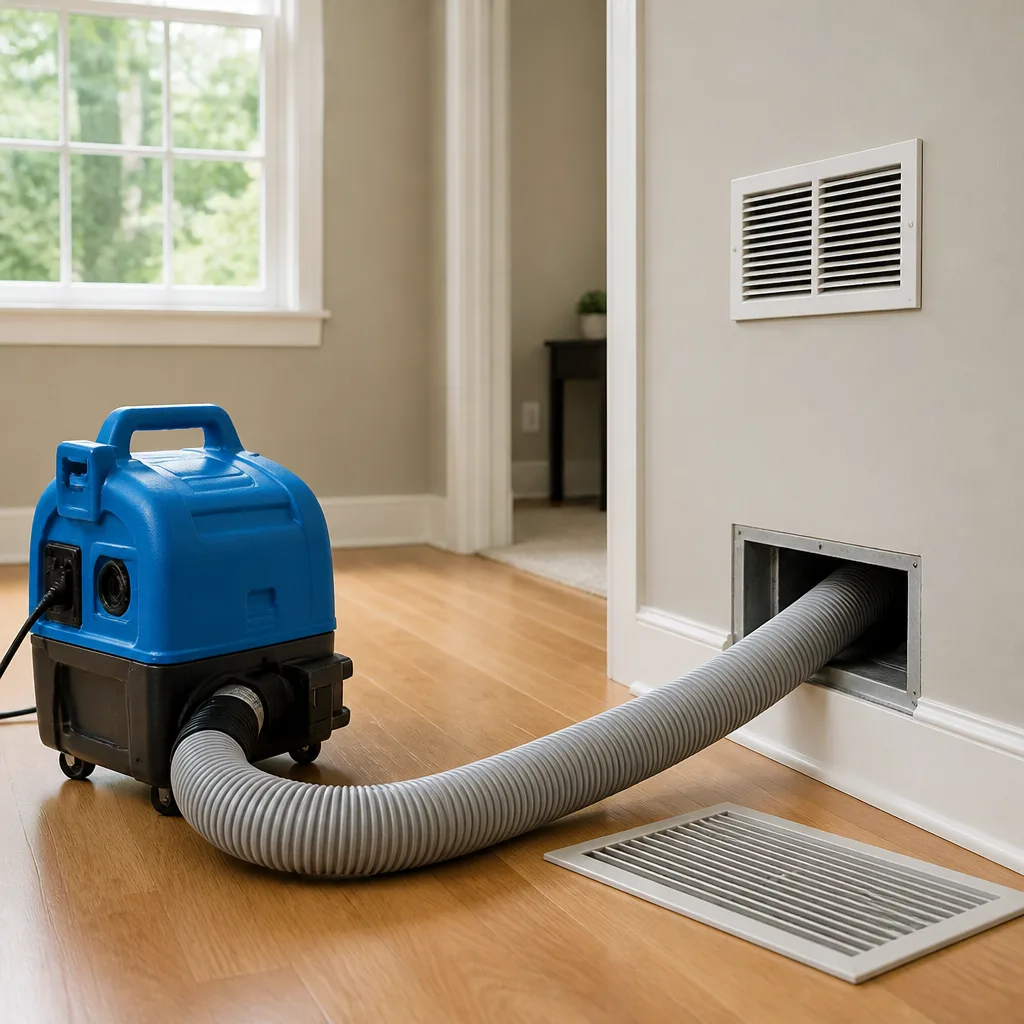 Whole-home duct cleaning
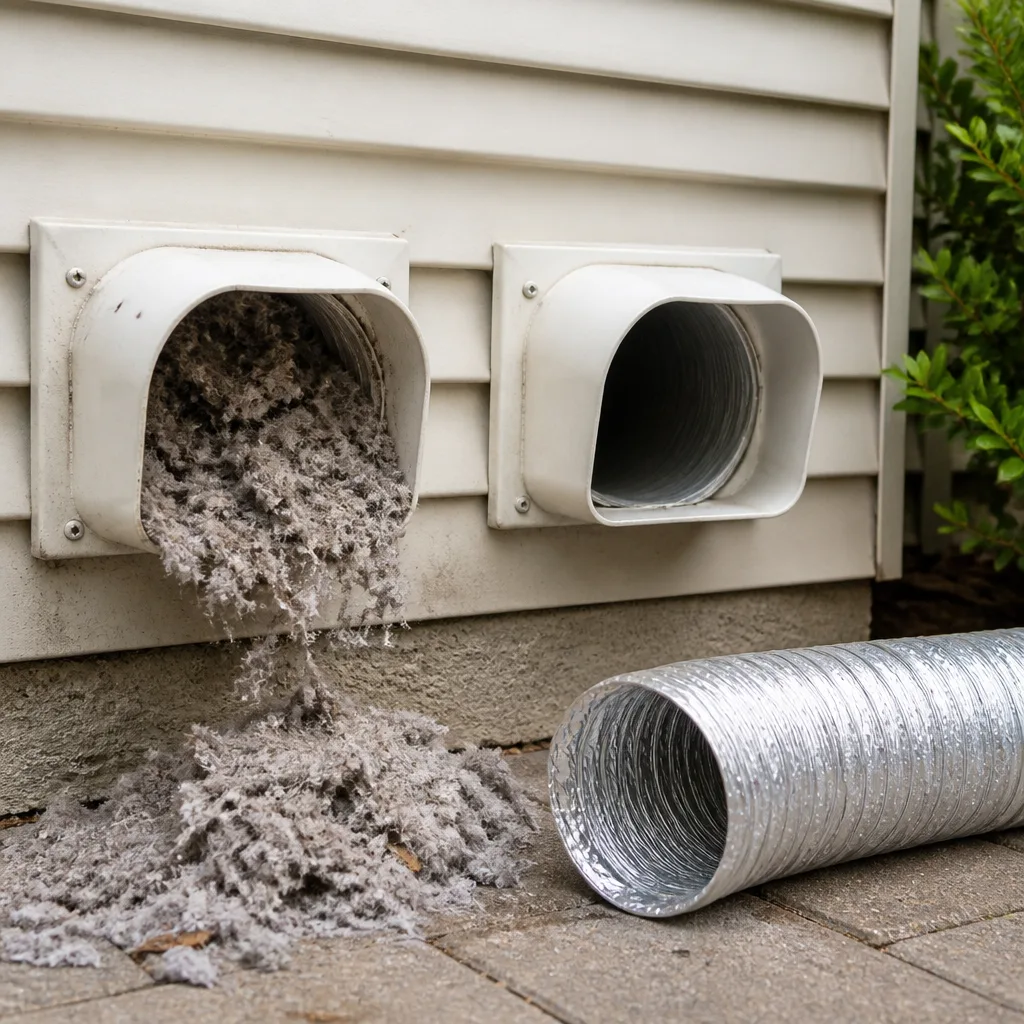 Dryer vent cleaning
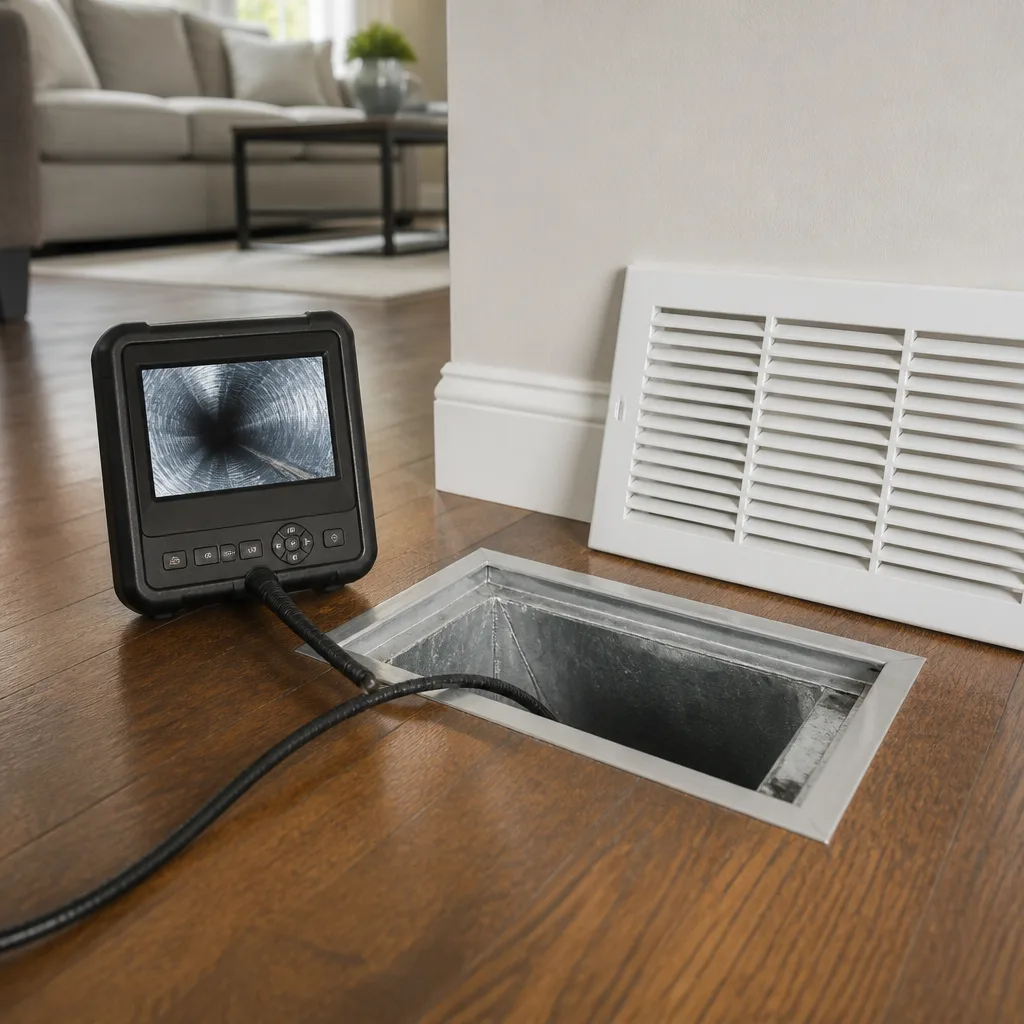 Camera inspection
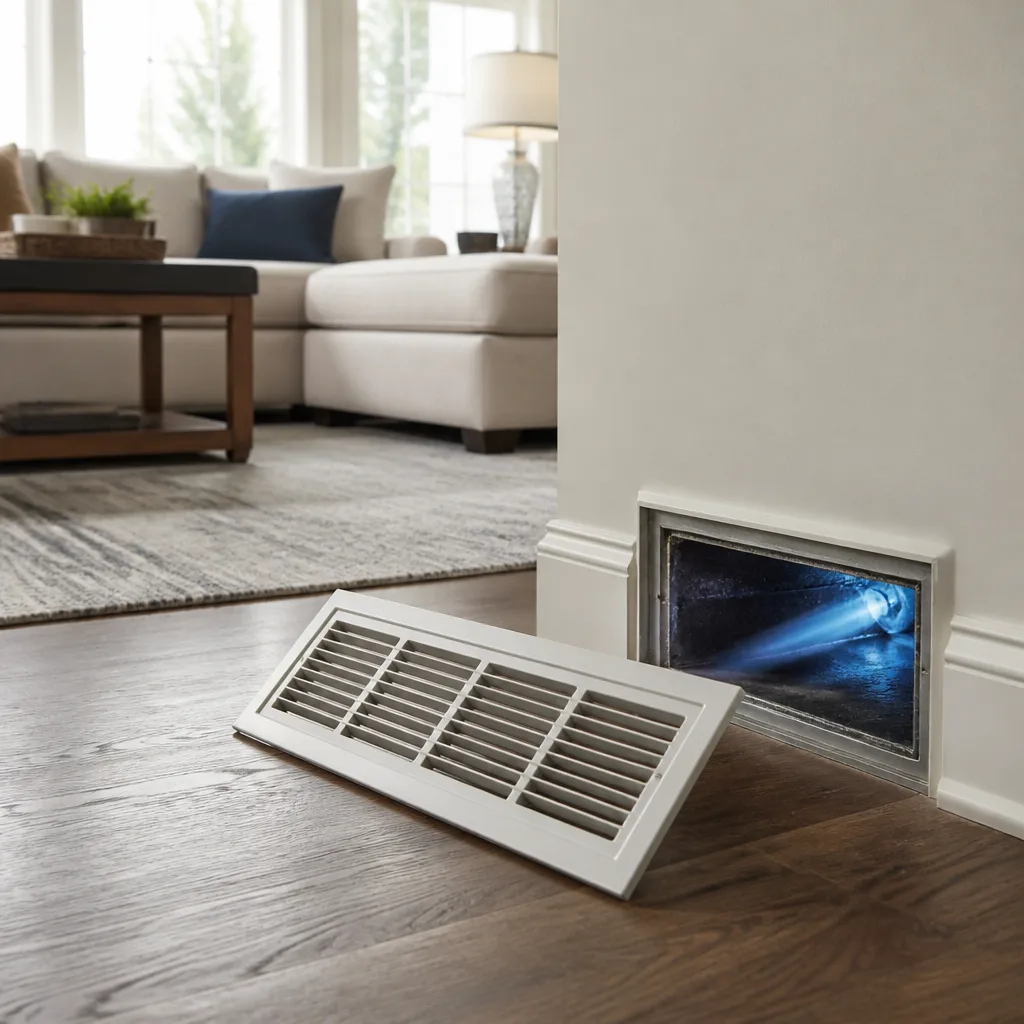 Sanitizing & deodorizing
Whole-system duct and dryer vent check with before-and-after photos - you see exactly what came out of your vents
That "$99 whole-house special" is a bait ad - the real number appears once they are in your hallway, or the "clean" is a shop-vac at the register. We photograph the inside of your ducts before and after instead.
Air Duct Cleaning Troubleshooting in Miramar: Common Problems and How to Fix Them
If your home still smells stale two weeks after a duct cleaning, the technician probably cleaned the registers and left the trunk lines untouched. That shortcut is more common than any company will admit, and it’s the reason so many Miramar homeowners end up convinced duct cleaning “doesn’t work.” It usually does work. It just wasn’t done completely. In this guide we’ll walk you through how to tell an incomplete job from a genuine mold or structural problem, why South Florida humidity makes musty odors come back so fast, how to read an airflow imbalance after a cleaning, and the specific visual evidence a thorough mechanical cleaning leaves behind. You’ll finish knowing how to audit your own system before you spend money on a second opinion.
Quick Answer
Most air duct cleaning “failures” in Miramar aren’t failures of cleaning itself; they’re jobs where only the easy-to-reach supply registers and branch lines were touched while the main trunk lines and return side were skipped, or the cleaning was contact-only with no negative-pressure extraction to carry the loosened debris out of the system. If smells, dust, or uneven airflow return within a few weeks of a cleaning, the first thing to check is whether the technician actually gained access to your main trunk and returns. A complete two-stage job with real access points and photographic evidence almost always produces a lasting result.
Styles & brands we work with
- Whole-home duct cleaning
- Dryer vent cleaning
- Camera inspection
- Sanitizing & deodorizing
Table of Contents
- Is It an Incomplete Cleaning or a Real Mold Problem?
- Why Do Musty Smells Come Back So Fast in Miramar?
- Airflow Imbalance After Duct Cleaning: Three Causes
- The Access-Point Pattern a Thorough Cleaning Leaves Behind
- Return Visit or Full HVAC Assessment? What to Ask For
- Cleaning the Vents vs. Cleaning the Ducts
- When the Problem Isn’t Your Ducts at All
Is It an Incomplete Cleaning or a Real Mold Problem?
The distinction matters because the two problems have completely different fixes and price ranges. An incomplete cleaning means the debris is still in the ducts and needs to come out with proper equipment. A mold problem means the ducts may be serving as a growing surface and the moisture source feeding it has to be addressed first, or you’ll be cleaning the same growth back in six months.
You can usually narrow it down with visual checks before calling anyone.
Signs pointing to an incomplete cleaning
- Dust reappears on registers or ceiling diffusers within two to four weeks
- The smell is dusty or “dirty house” rather than actively damp or sour
- No visible access holes or neatly resealed patches on the trunk line
- No written report or photos were provided after the original job
- Return grilles look untouched (no cleaning marks, original dust load still present)
Signs pointing to a genuine mold or moisture problem
- Visible dark spotting on the inside of flexible duct or on the air handler coil cabinet
- A sour, wet-earth smell that’s strongest when the system first starts running
- Condensation on supply registers even when the AC is running normally
- Water staining on ceiling drywall near a plenum or return chase
If you see visible growth, that moves the job from cleaning into remediation territory. In our experience, a proper cleaning with containment and HEPA filtration is the right starting point, and it’s why we run Abatement Technologies containment equipment on moisture-affected systems. Between the two, the moisture source matters most. If the air handler cabinet is holding water because of a blocked condensate line or a failing drain pan in a Miramar home, cleaning alone just resets the clock. The leak needs to be found and fixed, and the duct system dried before the clean. If you aren’t sure which situation you’re looking at, a walkthrough with the technician before work begins will usually tell you.
Why Do Musty Smells Come Back So Fast in Miramar?
South Florida’s humidity is the reason a duct cleaning that would hold up for a year in a drier climate might only feel fresh for a few weeks here. When the air conditioning runs almost continuously from spring through fall, every return and supply in a Miramar home handles a heavy, moisture-laden air load. The interior surfaces of the ducts stay cool, and the air moving across them carries more water vapor than ducts in most of the country ever see.
That humidity creates two problems for a duct system.
1. Microfilm regrowth on duct surfaces
Any residual organic dust left on a duct interior – the kind left behind by a brushing-only clean with no extraction – becomes a food source for the same microbial growth that caused the smell in the first place. Under high humidity and typical interior temperatures, it starts to come back within weeks. A two-stage method that agitates the surface with rotary contact cleaning and immediately pulls the loosened material into a HEPA-rated vacuum helps prevent this by removing the food source entirely. That’s the difference between physically removing debris and simply displacing it.
2. Coil and drain pan moisture
The evaporator coil and its drain pan sit in the lowest, dampest part of the air handler. Even if the ducts themselves are clean, a coil that’s collecting dust and biological growth will re-contaminate the airstream as soon as the blower starts. Any thorough cleaning of a duct system in Miramar needs to reach the coil and pan area or the smell comes back from the source, not the ducts.
What a surface deodorizer actually addresses
A spray-on deodorizer covers odor. It does not remove the microbial growth producing it, and in humid climates the effect typically fades fast once the AC runs. Treat a pleasant scent that lasts a few days as a sign the work was cosmetic rather than a sign the problem is solved.
What actually works in a humid climate
- Contact cleaning with a rotary brush system such as Rotobrush to physically agitate the duct interior, including the trunk lines
- Simultaneous negative-pressure extraction with a Nikro HEPA vacuum so loosened material exits the system rather than redistributing through the home
- Cleaning the evaporator coil, drain pan, and blower compartment, not just the ducts
- A containment barrier at the air handler and supply openings to protect occupied rooms during work
- Wiping and resealing every access point so the system returns to its original sealed state
If your home also has a whole-house dehumidifier or an upgraded filtration system from Honeywell or Aprilaire, verifying that equipment’s condition after cleaning is worth doing. Those systems work harder in a Miramar summer than the same units would almost anywhere else, and a saturated filter or a failing blower inside a dehumidifier can produce its own musty smell that reads exactly like a dirty duct problem.
Airflow Imbalance After Duct Cleaning: Three Causes
Two or three rooms feeling weak after a cleaning is one of the most common complaints we hear. Sometimes the cleaning exposed a pre-existing problem; sometimes the cleaning caused it. Three causes account for most of what we see in Miramar homes.
Disconnected or loose flexible duct
South Florida homes often use flexible duct for the last run from a trunk to each register. A section that was already loose can pop free during aggressive brushing, or a pre-existing disconnect may simply become noticeable once the rest of the system flows better. Symptoms are usually the same: one or two rooms get significantly less air while the rooms closest to the air handler feel stronger than before.
Collapsed or delaminated duct liner
Internal insulation liner inside older metal duct can sag or peel away over time. If it was already weak, a cleaning that dislodges it can leave a flap hanging into the airflow. The result is a whistling or rushing sound at a specific register and reduced air volume on that branch. This is a repair problem, not a cleaning problem, and the duct has to be opened and the liner re-secured or the section replaced.
Improper brush sizing or excessive brush pressure
Rotary brush systems come in different diameters. A brush that’s too large for a duct section can bind and stress the seams or the liner; one that’s too small simply doesn’t reach the surface. Matching brush diameter to the duct and keeping rotational pressure appropriate is a skill that separates a methodical clean from a fast one. Because we stock and service Honeywell and Aprilaire air handlers, we also see cases where the airflow problem is really a filter that’s overdue for changing or a blower wheel that picked up dust during the job and needs to be cleaned.
Quick diagnostic you can do yourself
- Note which rooms are weak and whether the weakness existed before the cleaning
- Check whether every supply register has full airflow when you hold a tissue to it – a flat tissue that barely moves means the branch is blocked or disconnected, not just weak
- Listen for a whistling or rushing sound at any register; that almost always points to a specific branch problem rather than a system-wide one
- Locate the air handler filter and confirm it’s clean and correctly sized
- Take a photo of the problem register and note the room name, then share it with the technician before the return visit
If the problem seems limited to one or two branches, a repair visit usually resolves it. If airflow is uniformly weak everywhere, or the air handler itself is making unusual noise, that points to a broader HVAC assessment.
The Access-Point Pattern a Thorough Cleaning Leaves Behind
This is the check most homeowners never think to do, and it’s the most useful one. A proper mechanical cleaning of a residential duct system requires access holes, and those holes have a predictable pattern. If your home only shows access at the registers, the technician almost certainly never reached the trunk lines.
What a complete job typically leaves behind
- One or more access points cut into the main supply trunk, usually near the air handler and at intervals along long runs, each neatly sealed afterward with foil tape, mastic, or a manufactured access door
- Access at the return trunk, sometimes at the return plenum near the air handler
- Access at the air handler cabinet itself for coil, blower, and drain pan cleaning
- Every access point resealed to a smooth, airtight finish; a good seal prevents conditioned air from escaping into the attic or wall cavity and drawing in unfiltered air
How to audit a previous job
- Walk the length of your attic or mechanical closet where the main trunk runs and count the sealed patches you can see
- Check whether the patches are consistent in style (all foil tape, all mastic, or all access doors) versus haphazard
- Look for patches that use a different sealant color or tape style from the rest of the system – some of these may be pre-existing repairs, not cleaning access
- Inspect the interior of a return grille with a flashlight; a properly cleaned return should look clean and uniformly dust-free, not streaky or patchy
- Confirm that any access point still has an airtight seal; if you can feel air escaping when the blower is running, the reseal was inadequate and needs to be redone
If the number of access points you find is zero or one, and you paid for a full system cleaning, you have probably identified your problem. The good news is that a proper cleaning with correctly placed access points is not that much more work than the shortcut version; it’s just less convenient for the technician. When we clean a Miramar home, every access point is documented with before-and-after photos and resealed to a smooth finish so you can verify what was done. If you’re auditing a previous job and the evidence isn’t there, that’s your answer.
Return Visit or Full HVAC Assessment? What to Ask For
When something’s still wrong after a cleaning, the question isn’t “should I call them back” – it’s “call them back for what.” A return visit for a cleaning-related issue is a different service call than an HVAC assessment, and mixing them up can lead to paying for work you don’t need.
Return visit is usually the right call when:
- The problem is airborne dust on registers or visible dust on horizontal surfaces
- You can trace the issue to ductwork: a disconnected flex run, a loose liner, a duct section that was missed
- Airflow is uneven but the air handler itself is quiet and functioning
- Smells are dusty rather than damp, and no visible growth was found during the original clean
Full HVAC assessment is usually the right call when:
- The air handler or condensing unit is short-cycling, making grinding or unusual noises, or running continuously
- Refrigerant performance issues are present (weak cooling that isn’t airflow-related)
- Visible mold appears in the air handler cabinet or on multiple duct sections at once
- You’ve had the ducts cleaned correctly and the problem returns within weeks regardless
Documentation to request before authorizing any second visit
- Before-and-after photos of the ducts, including a minimum of the main trunk and one return line
- A written scope of what was cleaned during the first visit (supply, return, trunk, coil, air handler)
- A list of access points created and where they were located
- Written findings from any interior inspection during the original clean, including notes on liner condition and flexible duct connections
- Any recommended follow-up work with a price quote, not just a verbal suggestion
If the company that did the original cleaning can’t produce any of that documentation, that alone tells you something. We provide before-and-after photos of your own ducts as a standard part of every job for exactly this reason. When you call, ask about the written estimate up front so you know the price before anyone comes through the door.
Cleaning the Vents vs. Cleaning the Ducts
Half the “duct cleaning didn’t work” complaints we hear in Miramar turn out to be a story about vents, not ducts. Registers and grilles are the visible parts – what the previous technician could reach from the floor with a shop-vac or a hand tool. The trunk lines behind the walls and above ceilings are the actual duct system, and they hold far more debris than the branches that feed each room.
The very common shortcut pattern looks like this: registers removed and wiped, branches brushed down the first few feet, air handler filter swapped, and the job declared done. The trunk lines running above the ceiling in a Miramar home are never opened, so never cleaned. This is exactly the case where a homeowner still smells dust three weeks later and concludes duct cleaning is a scam.
A proper air duct cleaning job addresses the entire air pathway:
- Supply registers and branches
- Main supply trunk lines
- Return grilles, return branches, and the return trunk
- Air handler cabinet, evaporator coil, drain pan, and blower compartment
- Air filter housing, and any add-on filtration or dehumidification equipment
If the previous cleaning never included the return side or the trunk, you’re not dealing with a failed cleaning; you’re dealing with half a job. That’s also why we always ask about return trunk access during the site walk. Returns carry heavier dust loads in a household because they draw from living spaces without a filter downstream of the grille, and skipping them is probably the single biggest cause of recurring dust complaints.
When the Problem Isn’t Your Ducts at All
If your complaints are dust in the house and a clothes dryer that takes two cycles to dry a load, the two issues share a cause only rarely. Dust points at the air ducts. Slow drying points at the dryer vent, and it’s worth treating as a separate safety item rather than a duct-cleaning-adjacent nuisance.
Dryer vent cleaning is a fire-safety service, not a housekeeping chore. Lint accumulates inside the vent run over years, and because it’s dry, warm, and airborne it’s an effective fuel source. A vent that’s partially blocked also causes the dryer to run hotter and longer, which accelerates the problem. Miramar homes often have longer vent runs than the minimum because of where the laundry room sits relative to an exterior wall – that extra length, along with a couple of elbows, is where lint tends to collect.
Signs your dryer vent needs professional attention
- The dryer takes noticeably longer to dry a normal load than it did a year ago
- The outside vent flap doesn’t open fully when the dryer is running, or opens weakly
- The top of the dryer feels unusually warm after a cycle
- You can see visible lint buildup around the outside vent hood
- It’s been several years since the vent was last professionally cleaned
We treat dryer vent cleaning with the same professional tooling we use on ductwork, and we frequently find the vent line in worse condition than the ducts on the same visit. If you’re having the ducts cleaned anyway, having the dryer vent cleaned during the same visit saves a second appointment and lets us check both systems while we’re set up.
Common Mistakes to Avoid
- Accepting a register-only clean as a full system clean. If the technician never cut access into the main trunk line, the ducts above your ceiling were not cleaned. Ask up front what access points will be created and where they’ll be.
- Believing a chemical deodorizer solves a smell problem. A spray-on scent can mask odor for a few days, especially in Miramar’s humidity. The growth, dust, or moisture source has to be physically removed or it will return.
- Choosing a quote with no site visit and no written scope. A real quote requires seeing your system, checking liner condition, and going into the attic. Phone-only pricing for a Miramar home is almost always a teaser figure that changes on-site.
- Skipping the return side of the system. Returns pull the heaviest dust load and many cleaning quotes quietly exclude them. Confirm in writing that the returns are included.
- Cleaning ducts but ignoring the air handler and coil. A dusty evaporator coil re-contaminates the airstream within weeks. If the coil isn’t cleaned, the ducts won’t stay clean.
- Cleaning ducts but skipping the dryer vent. These are different systems with different risks, but both benefit from a professional visit. Slow drying is a fire-safety signal, not a minor annoyance.
- Authorizing a second cleaning without evidence of the first. Request before-and-after photos and a written scope from the original job. Without that documentation, a second cleaning may just repeat the same incomplete job.
See the difference
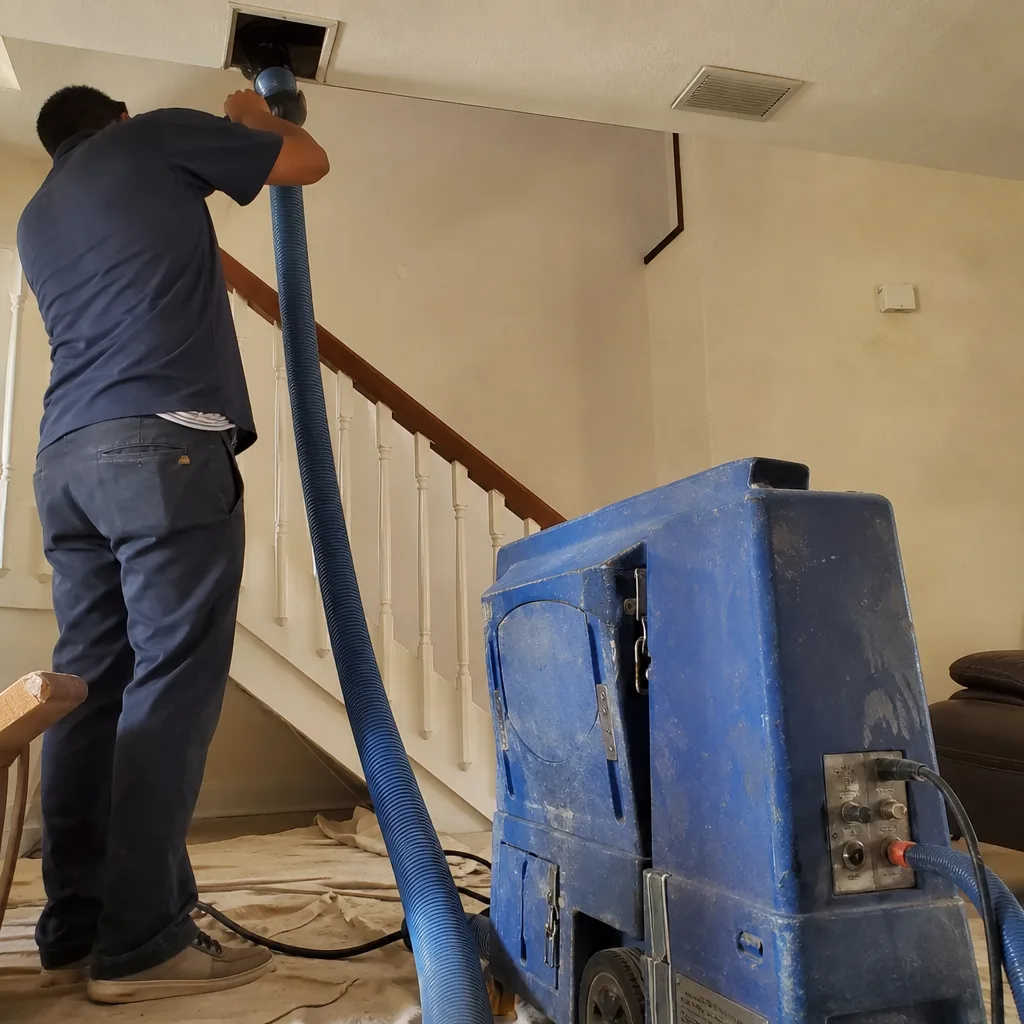 Before
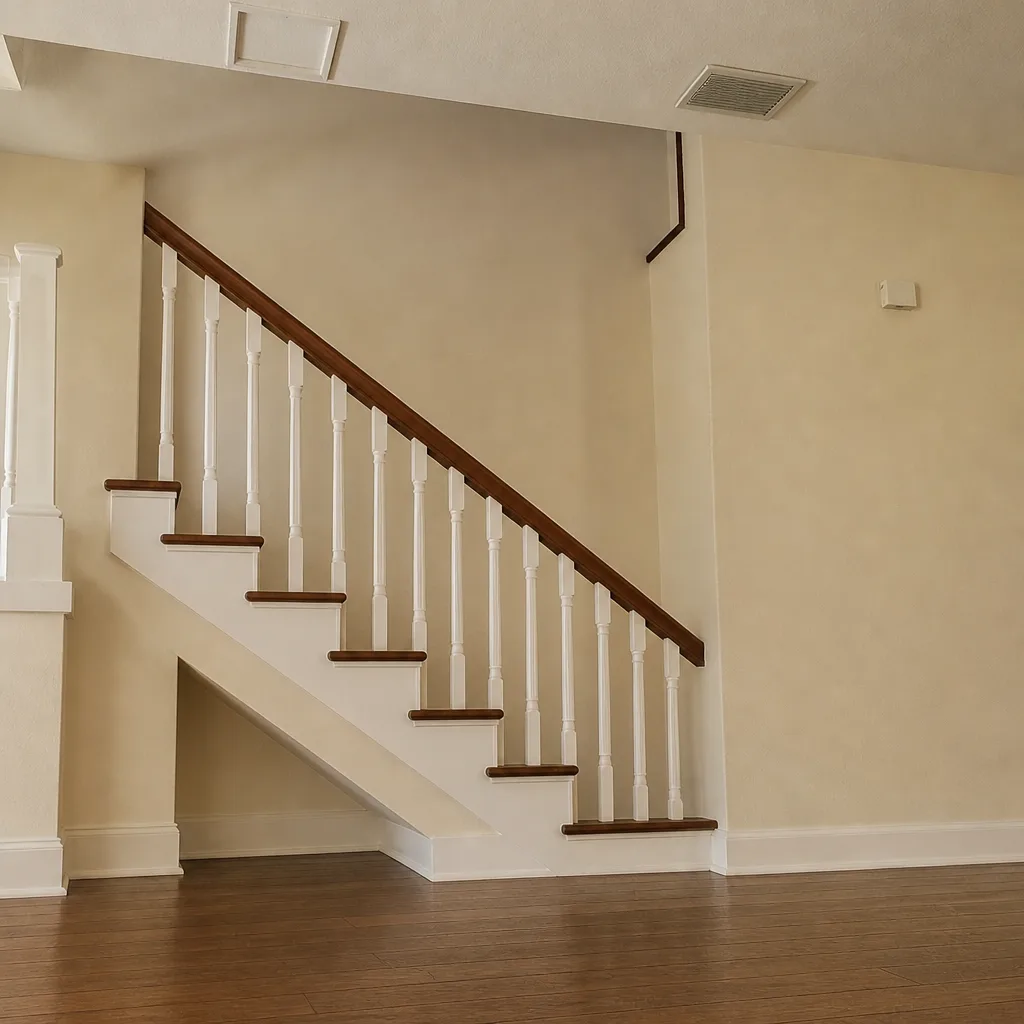 After
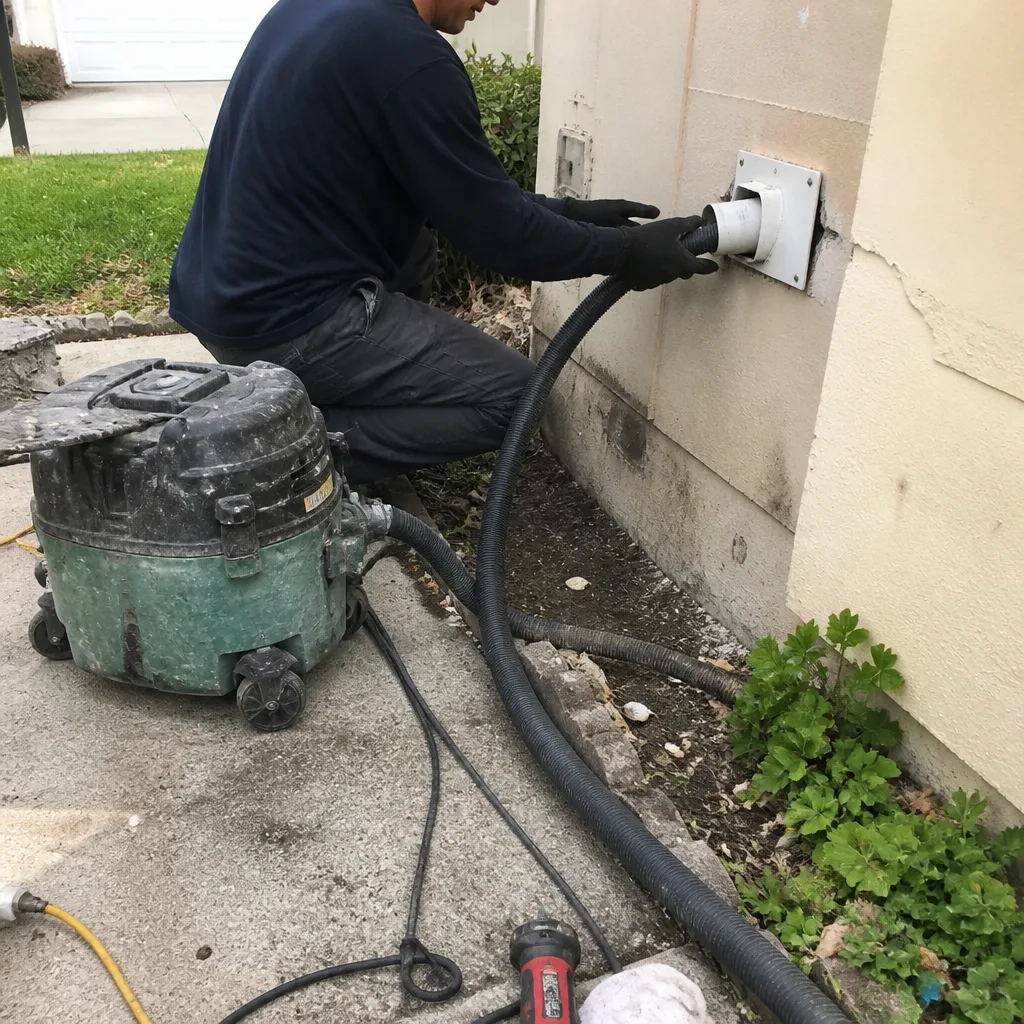 Before
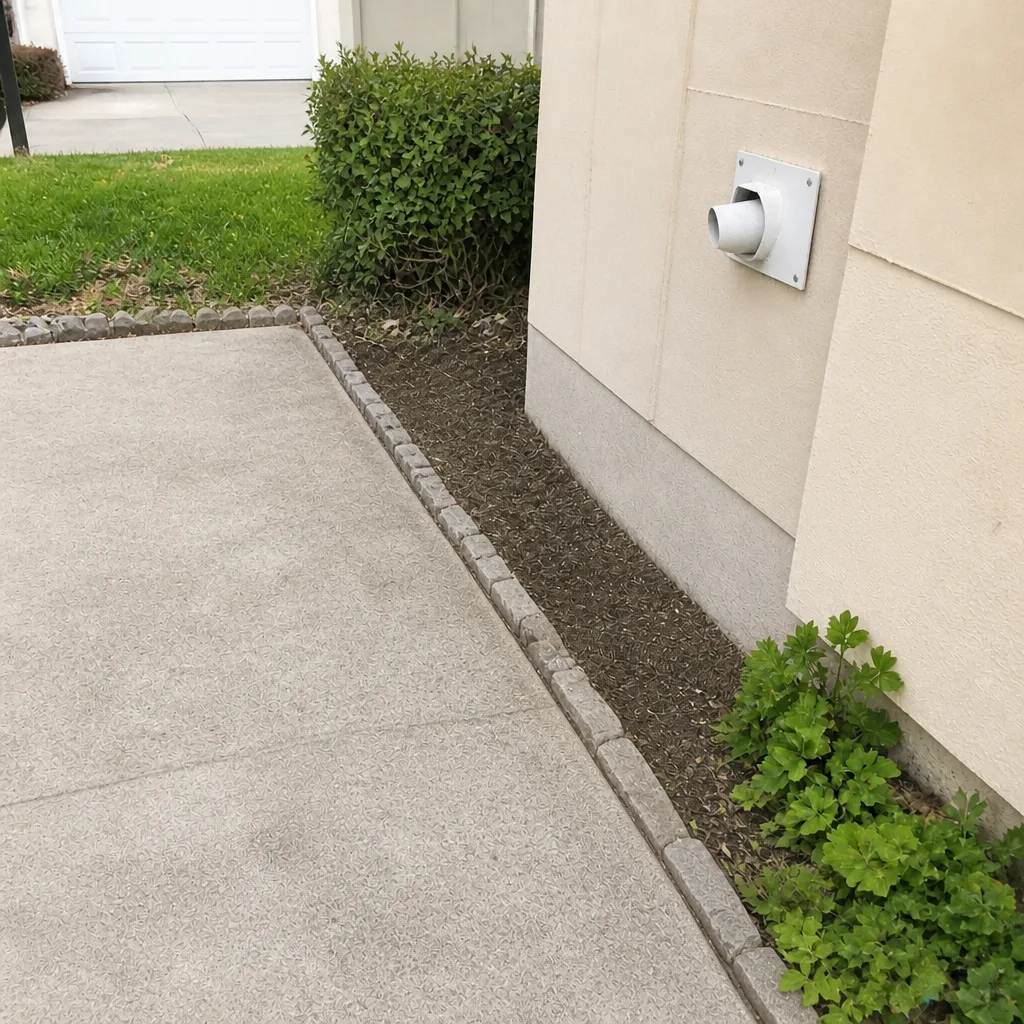 After
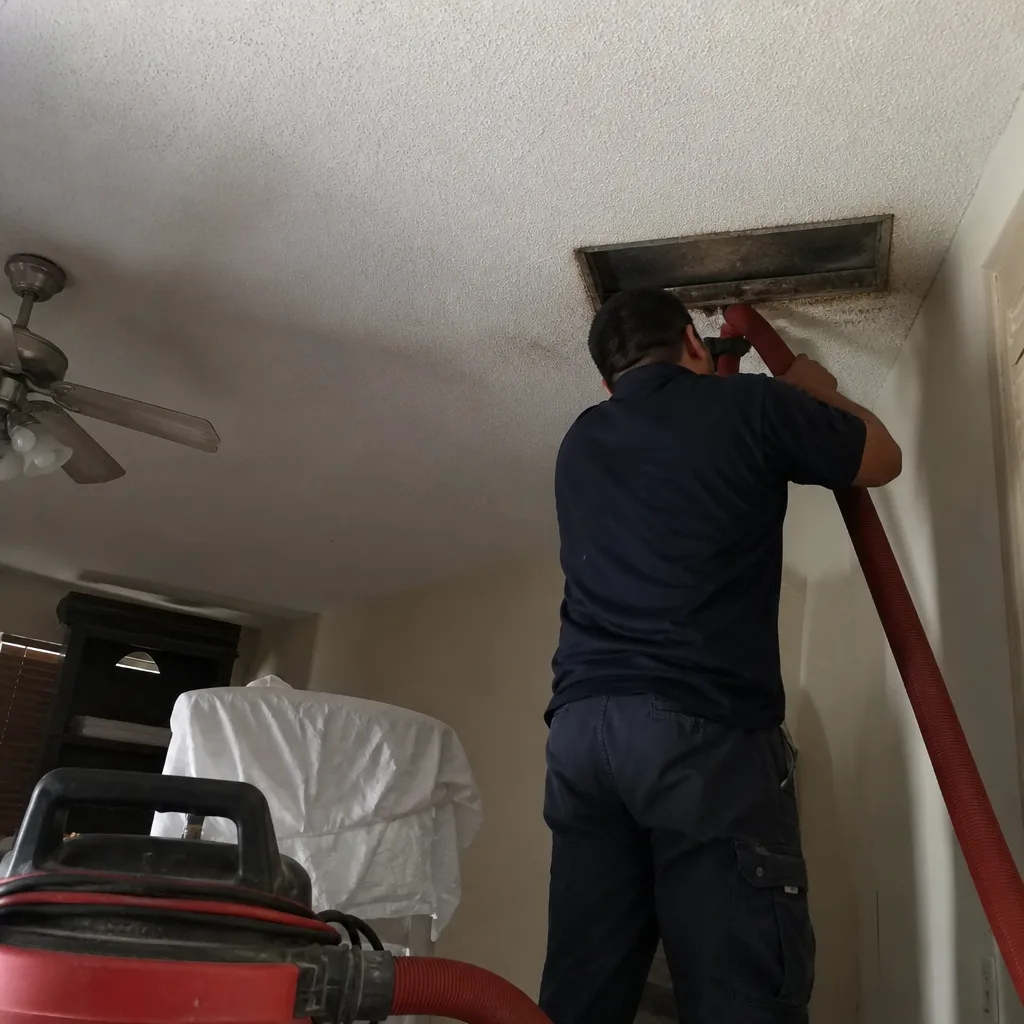 Before
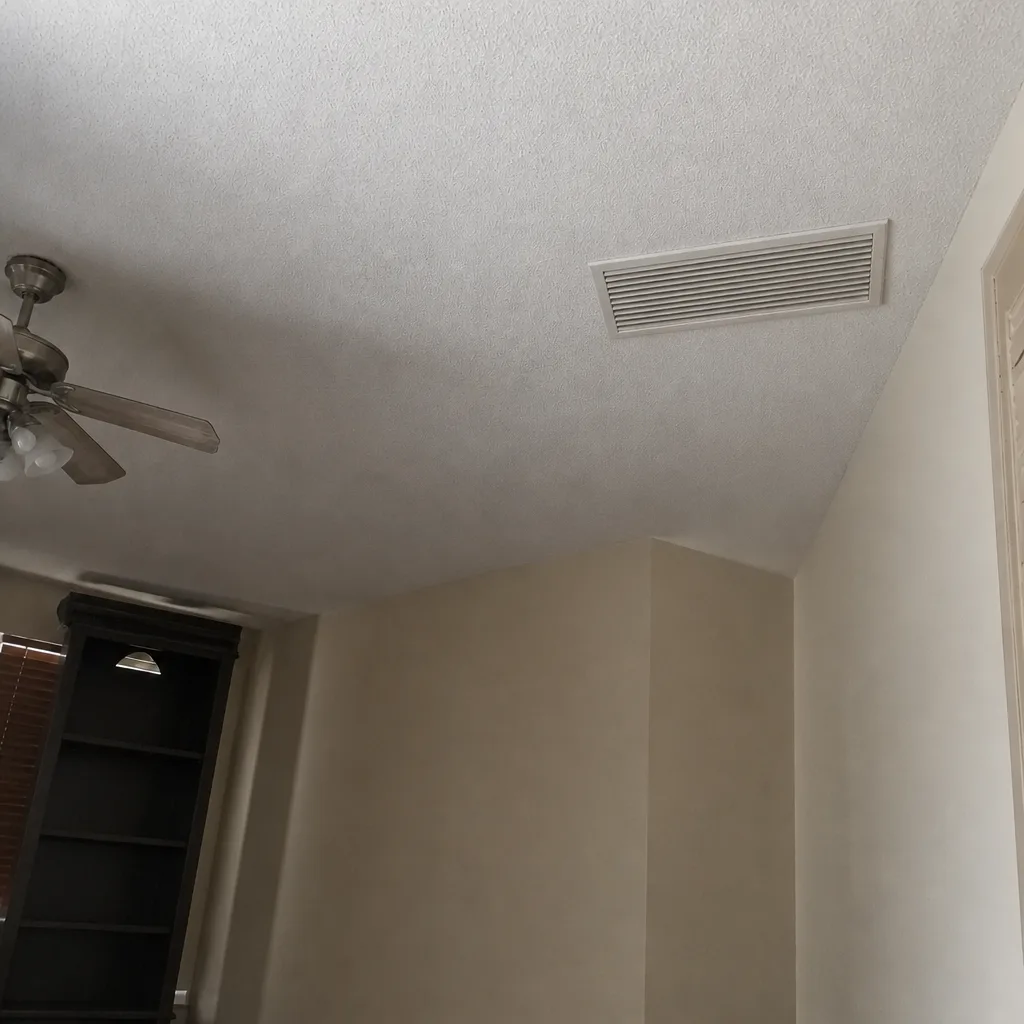 After
When to Call a Professional
Some troubleshooting is worth doing yourself, but there are clear signs you’re past that point. Call a professional if the smell or dust returns within roughly a month of a cleaning, if visible growth is inside the air handler or on multiple duct sections, if a room lost airflow suddenly after previous work, if the dryer is taking noticeably longer to dry, or if you can’t find any access points on your main trunk line after suspecting an incomplete job. Those cases need a trained technician with contact cleaning and HEPA extraction equipment rather than another attempt at the same shortcut.
Duct Cleaning Miramar offers free estimates in Miramar. Our technicians have up to 13 years of experience, and we give one flat price per system agreed before work starts. Call (877) 583-7369 to book. We answer 24/7. Fast dispatch from 7am to 7pm, Sunday through Friday. If you’d like to see what we cover across the three services, start at Duct Cleaning Miramar.
Frequently Asked Questions
Residential air duct cleaning in Miramar typically runs a few hundred dollars for a single-system home, with larger multi-zone homes costing more because more trunk and return runs need access and cleaning. We don’t quote per-vent prices or offer teaser coupons; we give one flat price per system, agreed in writing before work starts. Call (877) 583-7369 for a free estimate – the technician will come out, walk the system with you, and give you a written price before anything is approved.
Because humidity in a South Florida home brings microbial growth back within weeks if any moisture source remains. The likely cause is one of three things: the trunk lines or returns weren’t cleaned, the evaporator coil and drain pan were skipped, or a surface deodorizer was used instead of physical removal. A proper two-stage clean with Rotobrush contact cleaning and Nikro negative-pressure extraction, plus an air handler coil check, is what addresses the source. Call (877) 583-7369 and we’ll walk through what was likely missed.
The evidence a thorough cleaning leaves behind is visible: access points cut into the main trunk and resealed with a smooth, airtight finish; before-and-after photos of your own ducts; and a written scope listing every area addressed. If none of those exist, assume the trunk lines were skipped. We provide before-and-after photos on every job, so you have something to check against. Call (877) 583-7369 for a free estimate.
For most Miramar homes, every three to five years is a reasonable baseline – not annually unless someone in the house has significant respiratory sensitivity or there was recent water intrusion into the duct system. Homes with pets or heavy AC use may need it toward the shorter end. If you’ve had a proper full-system clean and cleaning is the right answer again within a year, the original job is worth auditing. Call (877) 583-7369 to talk through your situation.
Cheap quotes usually cover the registers and branches only, skip the returns, skip the air handler coil, and don’t include access points on the main trunk. That’s not a discount; it’s a shorter scope. When you compare quotes in Miramar, compare what’s specifically included: number and location of access points, return side, coil and drain pan cleaning, before-and-after photos, and containment. If a quote doesn’t list any of that, it’s probably not a full system clean. Call (877) 583-7369 for a like-for-like written estimate on the actual scope.
Yes, and for a different reason – it’s a fire-safety item rather than an air-quality one. Lint accumulation in the vent run is what causes slow drying and heat buildup, and it’s independent of the duct system’s condition. We clean dryer vents with the same professional tooling used on ducts, and if you’re booking a duct cleaning we can typically handle both on the same visit. Call (877) 583-7369 to book both together.
The Bottom Line
If your home still has dust, smells, or uneven airflow after a duct cleaning, the likely explanation is an incomplete job, not a system that can’t be cleaned. Check for access points on your main trunk, look at whether the returns were touched, and ask what was actually done to the coil and drain pan. In a humid Miramar climate, surface deodorizers fade in weeks, moisture sources undo even a good clean, and airflow problems after the job usually trace to a specific branch rather than the whole system. A methodical two-stage clean with real access points, documentation, and repair capability fixes what a register-only visit can’t. Call (877) 583-7369 for a free estimate. One flat price per system, agreed before work starts.
Written by the team at Duct Cleaning Miramar.