
Last updated November 15, 2026
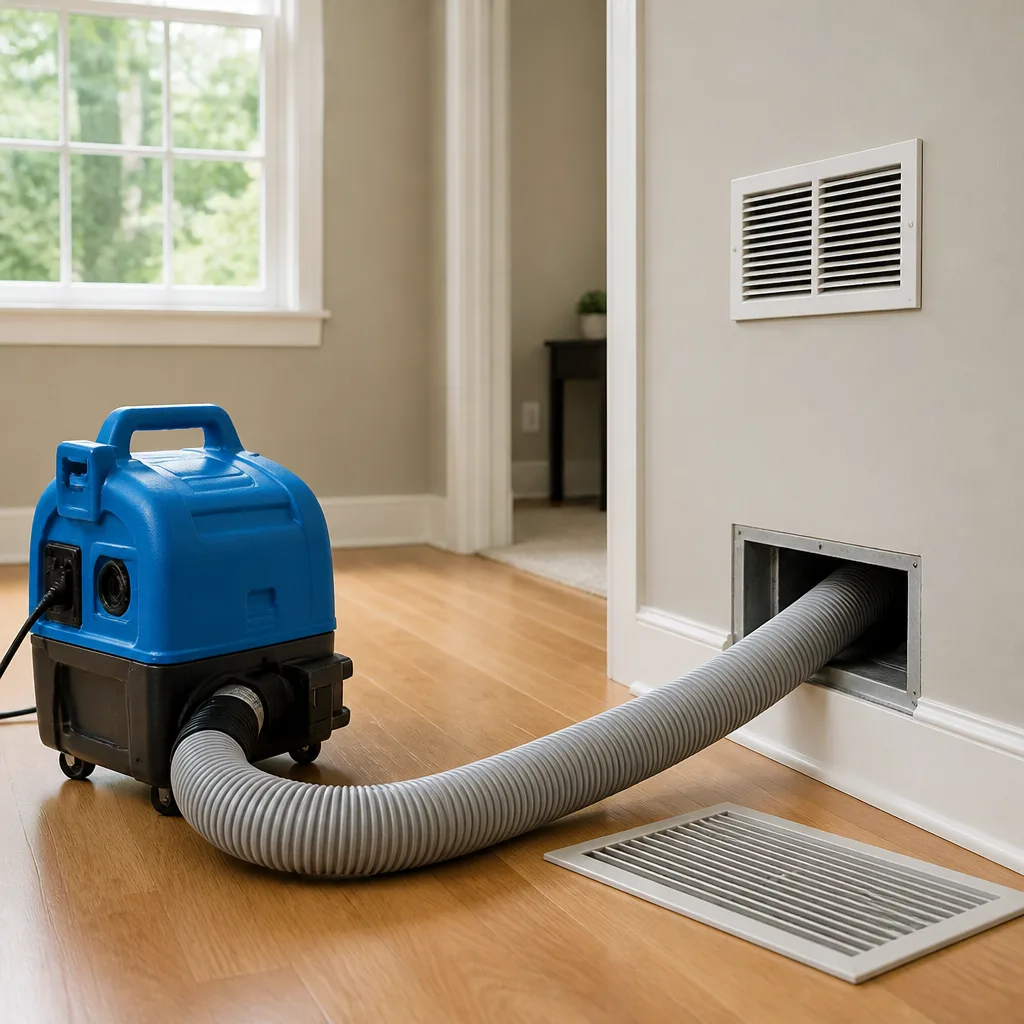 Whole-home duct cleaning
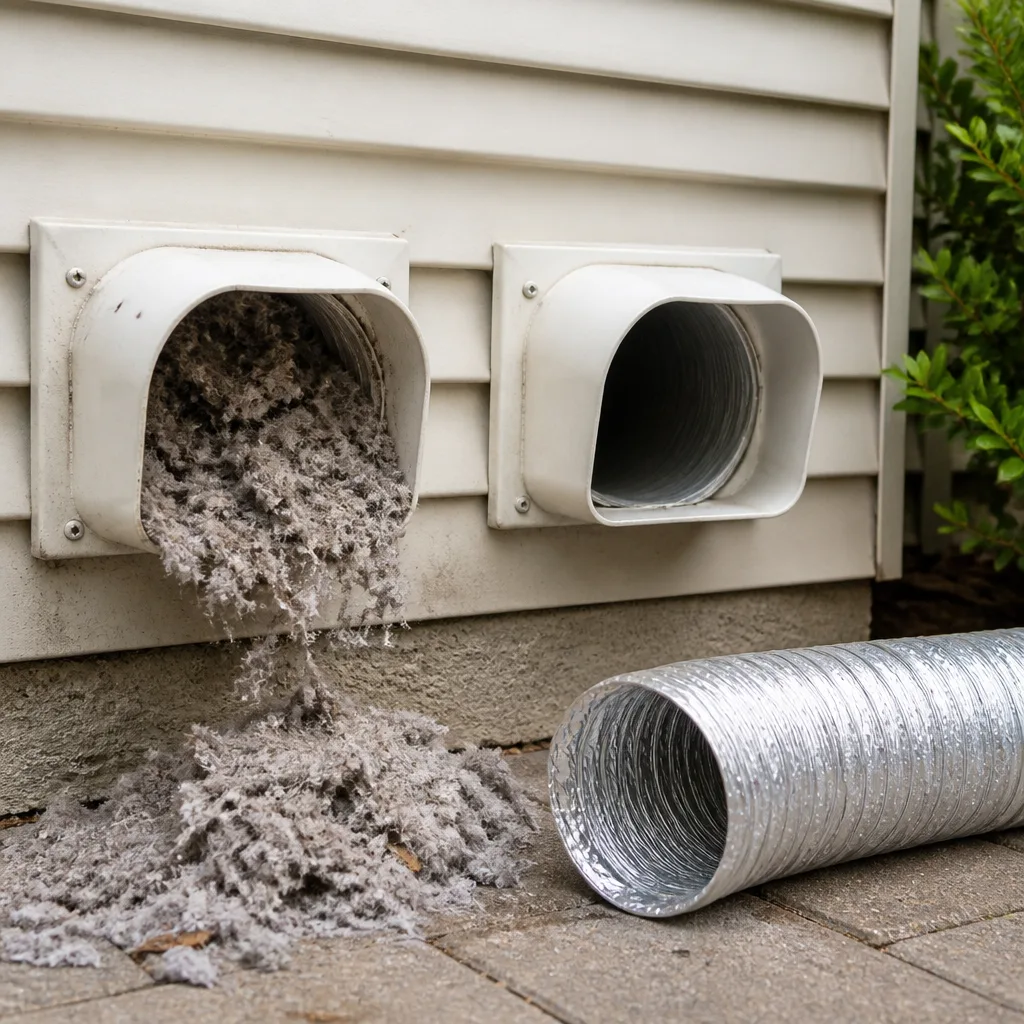 Dryer vent cleaning
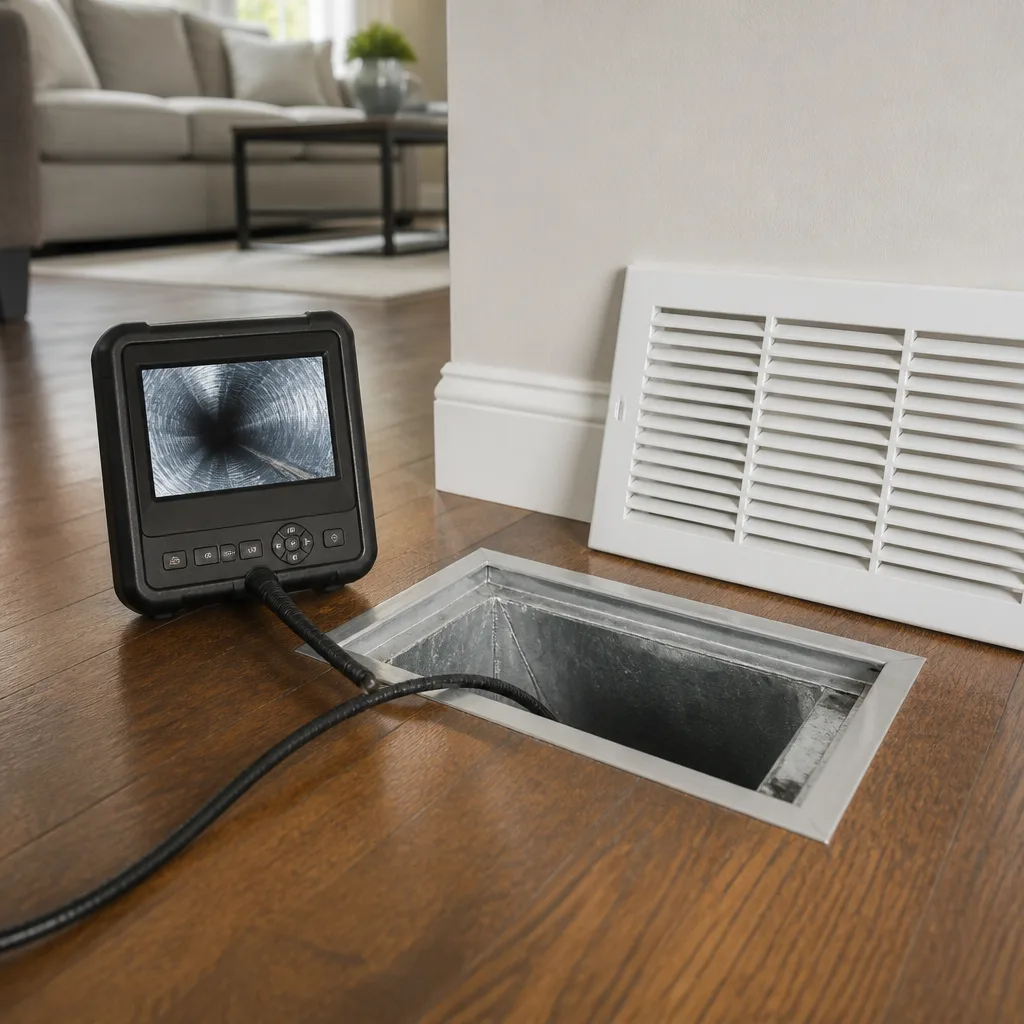 Camera inspection
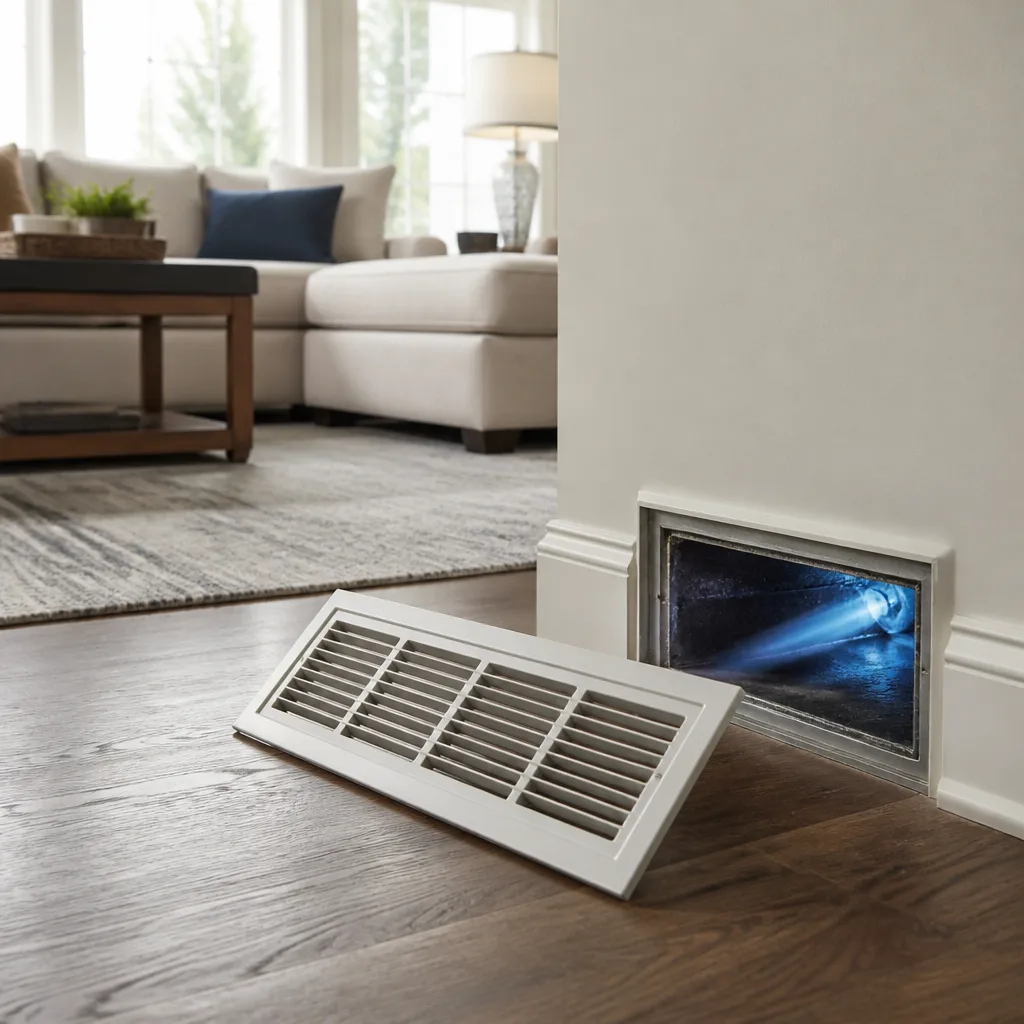 Sanitizing & deodorizing
Whole-system duct and dryer vent check with before-and-after photos - you see exactly what came out of your vents
That "$99 whole-house special" is a bait ad - the real number appears once they are in your hallway, or the "clean" is a shop-vac at the register. We photograph the inside of your ducts before and after instead.
Air Duct Cleaning Warning Signs: A Miramar Homeowner’s Reference Guide
Visible dust settling on furniture is a late-stage warning sign, not an early one. By the time you can see it, buildup inside the duct trunk has usually been growing for months. The quieter indicators come first: a faint smell that appears only when the system starts, one room that never quite cools, a power bill that creeps up while your habits stay the same. This guide walks through those early signals one by one, explains what each one actually points to in Miramar’s humid, year-round cooling climate, and shows you how to check the accessible parts of your own system before you call anyone.
Quick Answer
The main warning signs of dirty air ducts in a Miramar home are a musty or stale odor when the AC starts, visible dust streaking from supply vents, uneven room temperatures, rising power bills without changed usage, and increased allergy or sinus irritation while indoors. Of these, the smell and the airflow change usually appear months before visible dust does, which is why they matter more than most checklists suggest.
Styles & brands we work with
- Whole-home duct cleaning
- Dryer vent cleaning
- Camera inspection
- Sanitizing & deodorizing
Table of Contents
- What Does a Duct Problem Actually Smell Like?
- Why Some Rooms in Your Miramar Home Never Cool Properly
- What Rising Power Bills Tell You About Airflow
- The Collapsed Flex Duct Problem Florida Homes Are Prone To
- How to Inspect Your Own Vents with a Flashlight and Phone
- Dryer Vent Warning Signs That Are a Fire Risk, Not a Housekeeping Issue
- When Cleaning Is Not the Whole Answer
What Does a Duct Problem Actually Smell Like?
Duct odors are diagnostic. Three distinct smells point to three different problems, and each one calls for a different response. If you learn to separate them early, you save yourself both the guesswork and the wrong fix.
The musty, damp-basement smell
This is microbial growth, and in Miramar it is the most common of the three. Homes here run the AC almost every month of the year, which means the system stays wet inside for long stretches. Condensation collects on the evaporator coil and in the plenum, and the cool, dark interior of the ductwork holds that moisture. A faint musty odor that arrives a few seconds after the air handler kicks on and fades once the system has been running a while is a classic sign of growth on the coil, the plenum walls or the inner surface of the ducts. It gets stronger when the house has been closed up.
The sharp, ammonia-tinged or oily smell
Rodent activity. Rats and mice use duct runs as highways, particularly older attic installs where flex duct sags and the insulation has lost its seal. Droppings and urine leave a smell that is sharper and more acrid than mustiness, and it often comes with scratching sounds near a ceiling at quiet hours. This is not a duct-cleaning-only job: the entry point has to be found and sealed, or the problem returns within weeks.
The dry, chalky smell during or after remodeling
Construction dust. Drywall sanding and tile work push fine gypsum and silica particles into the return air, and the system spreads them through the whole house. It smells like a dusty hardware store, and it coats the inside of the ducts in a visible gray film. A cleaning after significant renovation is usually worthwhile, and it must be paired with filter changes.
The distinction matters because each one changes what we do. Microbial growth means we look at moisture and the coil as much as the ducts. Rodent activity means containment and HEPA filtration during the job so nothing gets recirculated, which is exactly why we use Abatement Technologies equipment rather than a shop vac and a prayer. Construction dust is the simplest of the three. If you are unsure which smell you are dealing with, that is a good reason to have it looked at rather than guessed at.
Why Some Rooms in Your Miramar Home Never Cool Properly
Uneven room temperatures are the warning sign most often misdiagnosed. A bedroom that runs five degrees warmer than the rest of the house usually gets blamed on the AC being undersized, and the usual response is an expensive conversation about a bigger unit. In our experience, restricted branch ducts are far more often the cause. The air handler is doing its job; the air simply isn’t reaching the room.
Think about how the system is laid out. The main trunk carries cooled air from the air handler, then branches split off to individual rooms. Each branch has a takeoff, a length of duct, and a register. Any one of those links can choke. A crushed flex duct in the attic, a takeoff that was never sealed properly, a damper closed and forgotten, or a run buried under attic insulation all restrict flow to one zone while the rest of the house cools fine. The thermostat sits in a hallway and reads the hallway. It never knows the back bedroom is starved.
Signs the problem is airflow, not capacity
- The system runs continuously but the far rooms still lag behind.
- Air from the weak room’s register feels soft compared to others when you hold a hand up to it.
- The rest of the house cools quickly and reaches setpoint without trouble.
- The problem appeared gradually rather than from day one.
- You hear a whistling or rush of air at one register and almost nothing at another.
A gradual onset is the key detail. Ducts don’t shrink overnight. A takeoff that has been slowly leaking since install, or an inner liner that has been peeling for two summers, produces a decline you notice only in hindsight. In Miramar, where the cooling system is under load most of the year, these small restrictions show up sooner than they would in a climate with a real off-season.
Before anyone quotes a new condenser, it’s worth having the duct runs assessed. Air duct repair is a service we handle as a natural extension of cleaning, and it’s often the fix for a room that never cooled. If you want the full picture of what duct cleaning involves here, the air duct cleaning page covers the process step by step.
What Rising Power Bills Tell You About Airflow
A power bill that climbs without a change in habits is a signal worth taking seriously. In most cases the cause is one of three things: rising rates, a failing compressor, or restricted airflow. The first two are outside your control or require a technician. The third is the one homeowners tend to overlook, and it’s the one duct buildup directly causes.
An air conditioner moves a fixed volume of air against a certain resistance. When the ducts are coated with debris, the filter is clogged, or a branch is pinched, that resistance goes up. The blower has to work harder to move the same amount of air, and it moves less of it anyway. The system then runs longer to reach setpoint because the cooled air is arriving slower than the thermostat expects. Longer runtime at higher resistance is a double cost: more electricity for the blower and more compressor time.
What to look at before you blame the AC
- Filter first. A filter that hasn’t been changed in months is the cheapest explanation for a bill increase. Check it, and check that the replacement is the right size and seated properly.
- Compare room to room. If the whole house struggles equally, the problem is at the air handler or the return. If only one zone lags, it’s a branch issue.
- Listen to the system. A blower that sounds strained or a register with weak flow is telling you about resistance.
- Look at the return plenum. A dusty return grille with visible buildup on the grille face is a sign the upstream duct is worse.
- Then call for a proper assessment. A duct inspection and a written estimate cost you nothing, and it rules out the expensive possibilities before you spend on them.
Worth saying plainly: duct cleaning does not lower a power bill on its own, and anyone who promises a specific percentage is guessing. What cleaning does is restore the airflow the system was designed for. If the ducts were the restriction, the bill often reflects it. If they weren’t, you’ve learned that and can look elsewhere.
The Collapsed Flex Duct Problem Florida Homes Are Prone To
Older Florida homes disproportionately use flex duct, and flex duct fails in a way that looks nothing like a dirty duct. The duct has an outer insulation sleeve, an inner vapor barrier, and an innermost liner that actually carries the air. In a hot attic, that inner liner is under constant thermal stress. Over years it can delaminate and collapse inward, pinching the airway to a fraction of its designed diameter. The result is reduced airflow to one or more rooms with no visible dust and no smell.
Why this sign gets misdiagnosed
Because it mimics three other things. A collapsed liner can look like a thermostat problem, a compressor problem, or a dirty duct problem. Homeowners get a new thermostat and it doesn’t help. They get a refrigerant check and the charge is fine. They book a cleaning expecting a miracle and get a clean duct that still can’t carry air. The only reliable way to find it is a visual inspection of the accessible duct runs, which is why our technicians look at the ductwork, not just inside it.
Warning signs that point to a collapsed liner rather than simple buildup:
- The system has always been weak to one room, or the weakness appeared after a season without any dust change.
- You hear air moving in the attic above a room but nothing arrives at the register.
- The weak room’s duct in the attic looks kinked or flattened where it passes a truss or a corner.
- Cooling improved noticeably in that room during a cool stretch, then reverted.
This is where the separate line between cleaning and repair matters. Air duct repair is a service we offer, and it means we can diagnose a collapsed run and fix it in the same visit. Contractors who only clean have to walk away from what they find, which leaves you calling someone else. We clean it, and if it’s broken, we fix it. The whole air pathway gets looked at, not just the visible dirt.
How to Inspect Your Own Vents with a Flashlight and Phone
You can assess visible buildup in your own system without anyone’s help, and it takes about ten minutes. This isn’t a substitute for a professional inspection, but it tells you whether the next call is urgent or can wait. Do this with the system off.
A step-by-step self-check
- Turn the system off at the thermostat and wait a minute so the blower stops.
- Remove a supply register in a main living area. Most lift out or have two screws. Look up into the duct with a flashlight and take a photo with your phone light on. The photo makes it easier to compare later.
- Look for the coating test. Is the inside surface uniformly gray or black with a visible film? Can you see dust tufts, debris or anything crawling? Is there discoloration that suggests moisture staining (dark browns, greens, or fuzz)?
- Repeat at a return grille, which is usually easier to reach. Return plenums often show the problem before supply runs do because all the return air passes through them.
- Check a register in the weak room you identified earlier. If the duct looks clean but airflow is still weak, the problem is further upstream, likely in the attic run.
- Note the smell inside the plenum while you’re up there. Faint mustiness is different from sharp or acrid.
What the photos tell you: a light, even film is normal in almost any system and not a reason to panic. What matters is the depth of buildup, the presence of visible growth, any evidence of moisture, and whether the interior surface looks uniform or shows streaks. Streaking or pooled staining on the duct interior is the most important finding and worth mentioning when you call.
What you should not do
Don’t stick a vacuum hose into a duct yourself. Consumer vacuums don’t have the suction to move the material and can push more debris further into the system than they pull out. They also can’t reach beyond a few feet. The professional systems that do the job are Rotobrush rotary contact cleaners paired with Nikro negative-pressure extraction, which physically agitates the debris off the duct wall and captures it under vacuum so it doesn’t recirculate into your home. That two-stage method is the reason the work is done by a crew rather than a homeowner with a shop vac.
Dryer Vent Warning Signs That Are a Fire Risk, Not a Housekeeping Issue
A dryer that takes two cycles to dry a normal load is telling you about lint buildup in the vent line, and lint is fuel. Dryer vent fires are one of the leading causes of residential house fires, and they almost always start with a vent line that nobody cleaned. That makes this a fire-safety item, not a housekeeping one. It belongs on this list because the warning signs look like minor inconvenience right up until they don’t.
The signs worth acting on
- Clothes come out hot and still damp after a full cycle.
- The dryer itself feels unusually hot on top or at the door.
- The laundry room feels humid or smells like warm lint after a run.
- You can’t remember when the vent line was last cleaned.
- The outdoor vent flap doesn’t open fully, or doesn’t open at all, when the dryer runs.
The same tooling we use for ducts gets used here: contact cleaning plus extraction. Handyman-level dryer vent service often amounts to pulling a wad of lint from the exterior opening and calling it done, which leaves the line interior untouched. dryer vent cleaning done properly means the full length of the line, from the dryer connection to the exterior cap.
When Cleaning Is Not the Whole Answer
Cleaning a duct system and addressing what caused the problem in the first place are two different tasks. If you only clean, the condition that made the ducts dirty tends to return, sometimes within a year. The most common underlying causes we find in Miramar homes are worth knowing about before you book anything.
Moisture and filtration
Humidity is the biggest one. A system that runs all year in a humid climate needs its condensate handling and coil checked for moisture issues, not just its ducts cleaned. An underperforming filter makes everything worse. We stock and service Honeywell and Aprilaire air-quality systems, so the filtration side of the conversation is part of the same visit, not a separate referral. If your system needs a filtration upgrade, that’s a decision made with the air pathway in mind, not an upsell tacked on.
Access and sealing
A duct with a disconnected joint in an attic gap or at a takeoff pulls air from the attic rather than from your home, which means it can never reach the room regardless of how clean it is. Diagnosing that requires looking at the whole run, not just the register. When a joint is broken or a run has collapsed, we repair it. When a run is sound and simply dusty, we clean it. The point of the inspection is to tell you which situation you’re in.
Professional equipment matters
The difference between a cleaned duct and a displaced dust pile comes down to what the crew uses. Rotary contact cleaning loosens the material from the duct wall; negative-pressure HEPA extraction captures it as it comes loose. Using one without the other is either agitation without capture (which sends the debris into your home) or suction without agitation (which leaves the stuck material where it was). We bring both every time, along with containment rated for remediation work, so the house is protected during the job rather than after it.
If you’re still orienting yourself to what’s available locally, the Miramar page and our duct cleaning Miramar home base both lay out the three service lines and how they fit together.
Common Mistakes to Avoid
- Waiting for visible dust. By the time you can see it settling, buildup has been growing for months. The smell, the weak register and the bill are earlier, better signals. Treat them as the actual alarm.
- Booking on price alone. The cheapest bid often means one-pass vacuum with no contact cleaning, which recontaminates the system. Ask what equipment the crew uses and whether extraction is HEPA-rated.
- Cleaning without repairing. A collapsed flex run or a disconnected joint will produce the same warning signs after the clean. Pair the two services or expect a repeat.
- Ignoring the dryer vent because the dryer still works. Most dryer vent fires start in a line that was never cleaned. Two-cycle dry times are the warning; a clean line is the response.
- Vacuuming the ducts yourself. A consumer vacuum can push debris further into the trunk and can’t generate enough suction to extract what it loosens. It’s a waste of an afternoon.
- Skipping filter changes during renovation. Construction dust in the ducts is a common post-remodel problem. Change filters on the day the drywall sanding finishes and again once the air clears.
- Assuming a new AC is the answer to a hot room. Prove the branch ducts are sound before you quote a new unit. Airflow restriction is cheaper to fix.
See the difference
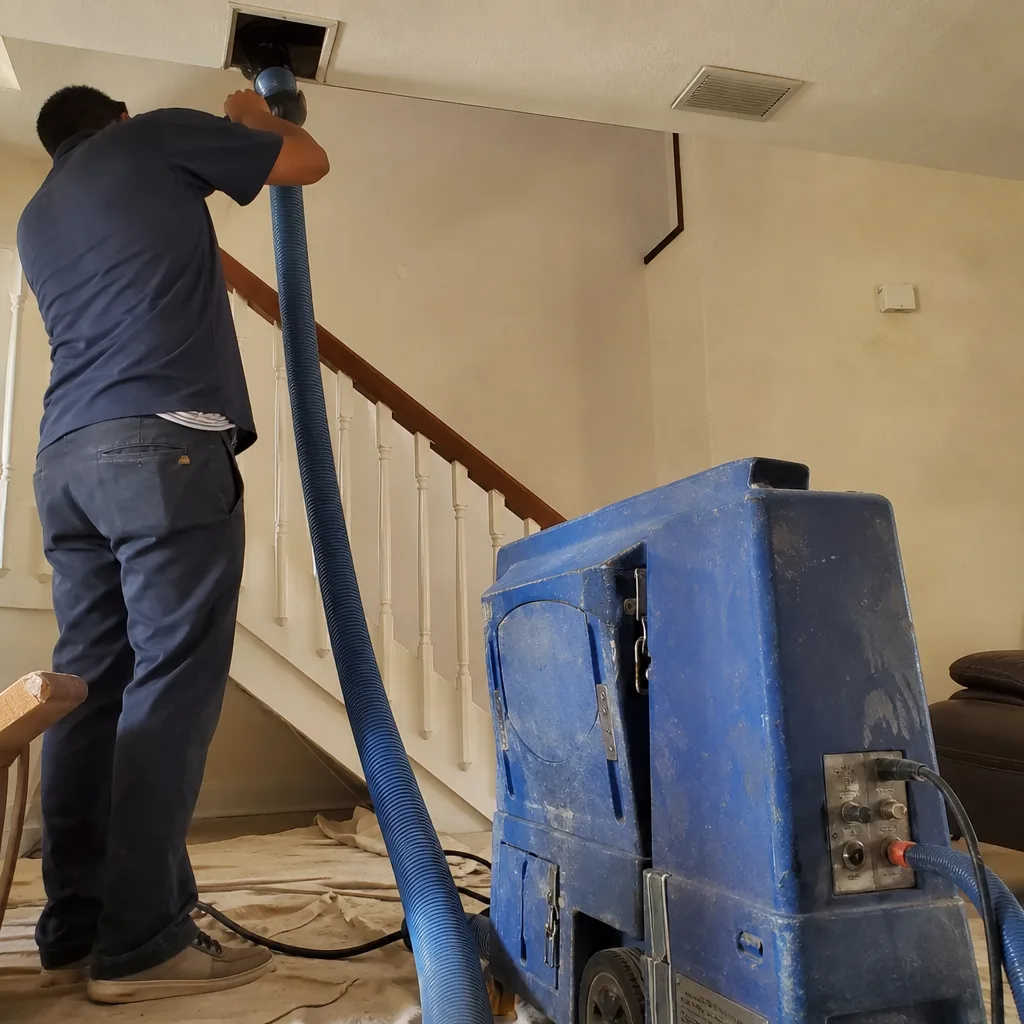 Before
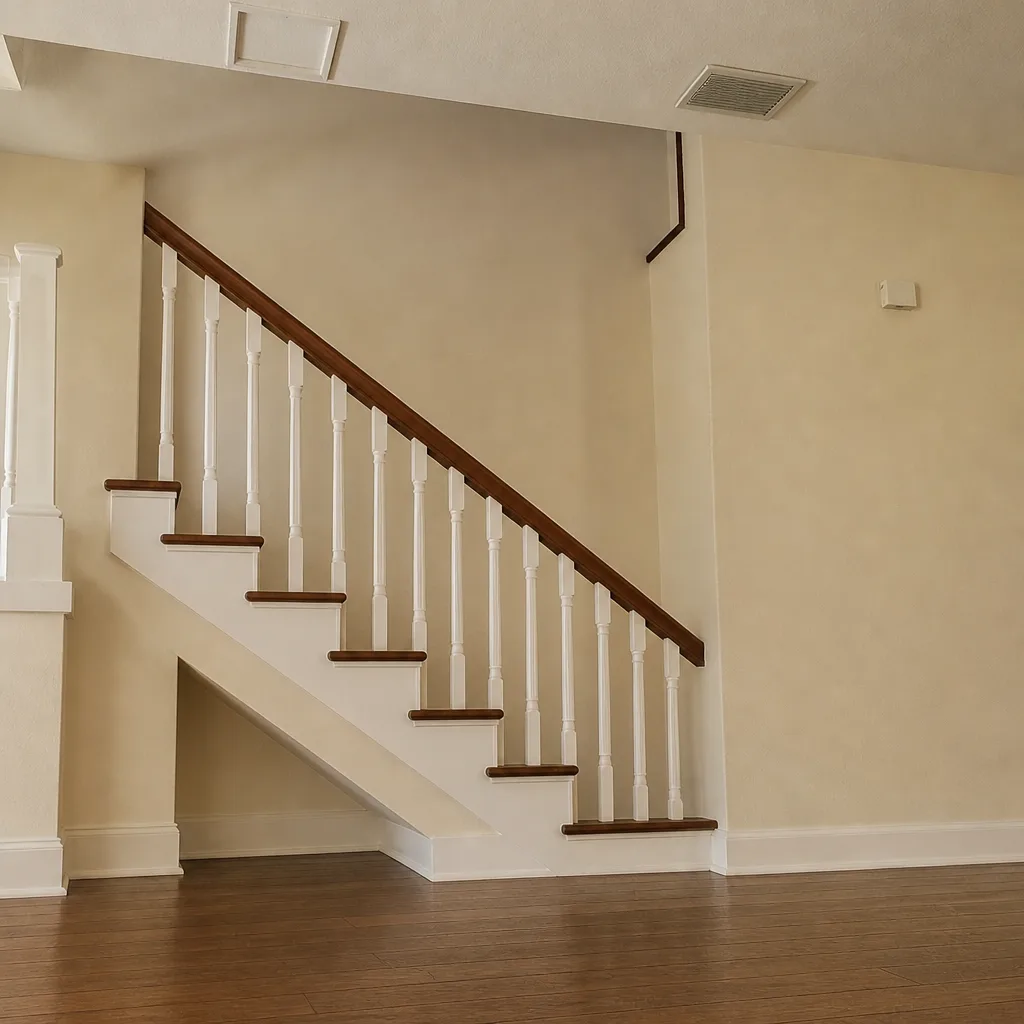 After
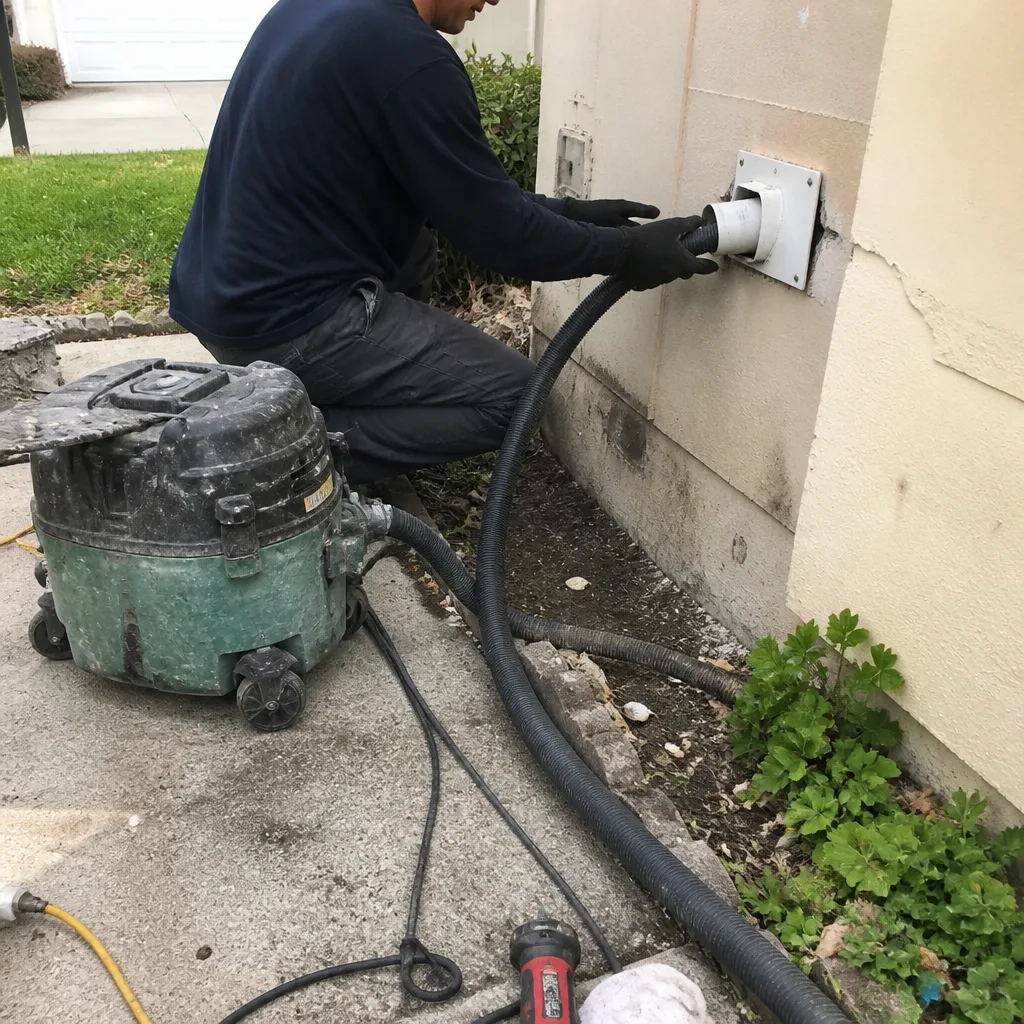 Before
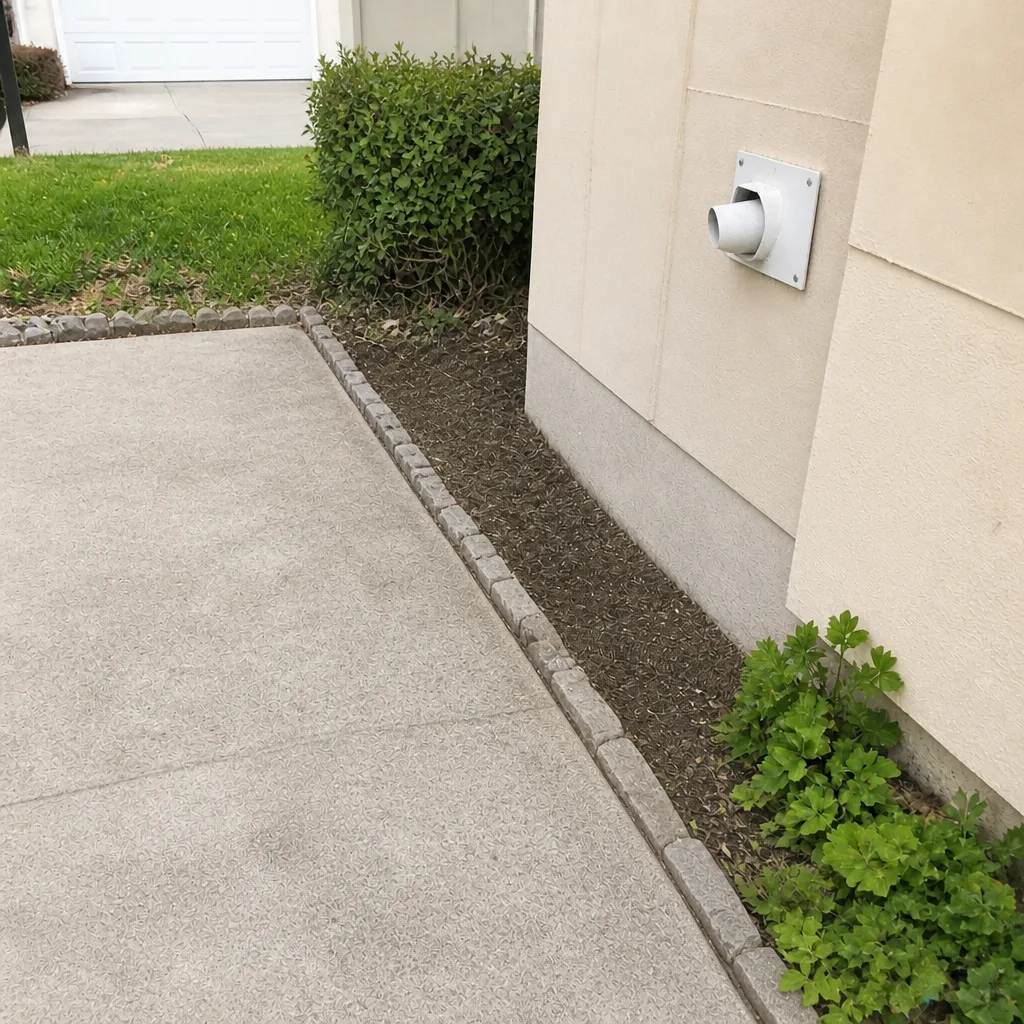 After
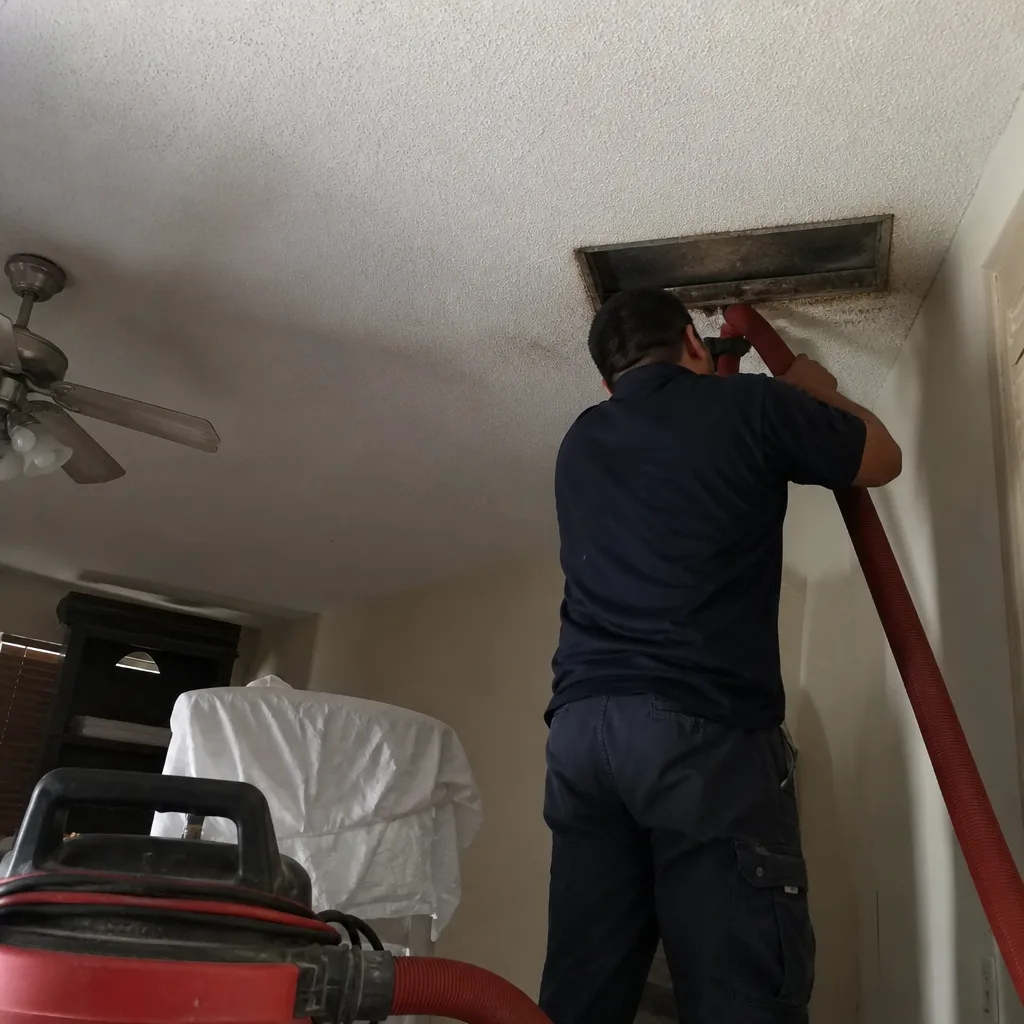 Before
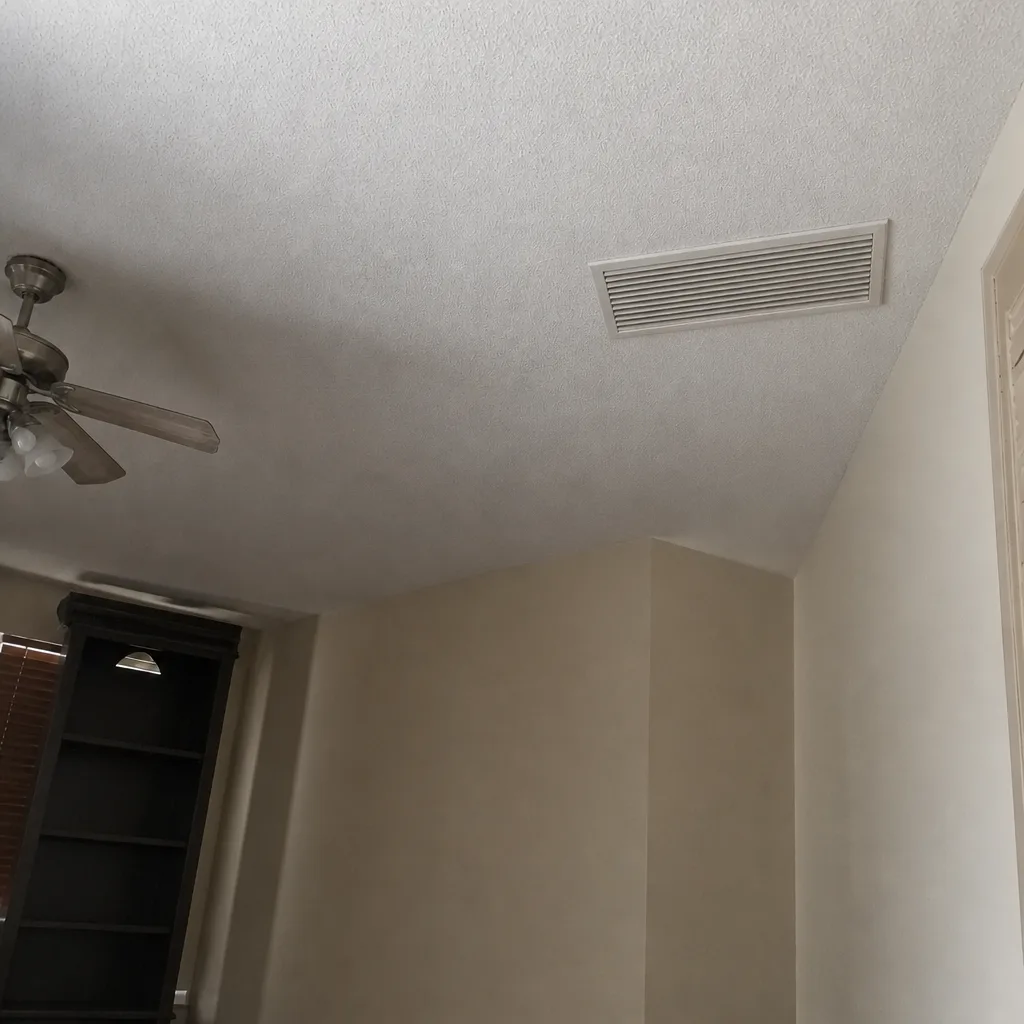 After
When to Call a Professional
Call us when the smell never goes away, when a room stays hot despite a sound AC, when you see streaking or staining inside a duct, when a dryer takes two cycles to dry a normal load, or when you simply want a proper inspection before the next cooling season. An inspection and a written estimate are free. Our technicians have up to 13 years of experience with professional equipment, and we bring the full containment and extraction setup to every visit. Fast dispatch is available from 7am to 7pm, Sunday through Friday, and we’re closed on Saturday. The price is set per job by the written estimate before any work begins. Call (877) 583-7369.
Frequently Asked Questions
The strongest signs are a musty smell when the AC starts, a room that never cools evenly, and rising power bills with unchanged usage. Visible dust from vents is evidence of longer-standing buildup, not the early warning. If you have any of the three, a free inspection and written estimate will tell you what is actually happening.
We price per system, not per vent, and the written estimate after inspection sets the final price. We don’t quote teaser numbers, and we don’t do a cheap coupon price that turns into a bigger invoice once the technician is on site. The system, its condition, and the work required determine the estimate. Call (877) 583-7369 for a free estimate.
Because they often skip part of the process. A one-pass vacuum with no rotary contact cleaning loosens some debris and leaves the rest stuck to the duct wall, so the system looks cleaner than it is and the problem returns. Ask what equipment the crew uses and whether they pair rotary cleaning with negative-pressure HEPA extraction. Any answer that doesn’t name both is an incomplete job. Call (877) 583-7369 to hear how we do it.
Ask for before-and-after photos of your own ducts, and check them against what you saw under the register yourself. We take photos of the interior before and after cleaning for every job because the visual record is the proof. Call (877) 583-7369 for a free estimate.
For most homes in a humid, near-year-round cooling climate, an inspection every year or two is sensible, with cleaning when the inspection shows it’s needed. Homes with pets, recent renovation, or a history of moisture issues may need it more often. Rodent activity calls for immediate attention. Call (877) 583-7369 for an inspection.
Cleaning restores airflow to the ducts and removes the restriction that makes a blower work harder, which can reduce runtime if buildup was the cause. It won’t fix a failing compressor or an undersized unit. The honest answer is that the effect depends on what was restricting the system. Call (877) 583-7369 for an assessment before you assume the ducts are the cause.
The Bottom Line
The warning signs of dirty ducts in Miramar show up in the smell, the airflow and the power bill long before they show up on your furniture. Learn the three smells, take the flashlight-and-phone photos of your own plenums, and check the dryer vent line before it becomes a fire-risk item. When you find one or more signs, an inspection with a free written estimate costs nothing and tells you what’s really going on. We handle the whole air pathway, from cleaning to repair, with professional equipment and containment. Call (877) 583-7369. We answer 24/7. Fast dispatch from 7am to 7pm, Sunday through Friday.
Written by the team at Duct Cleaning Miramar.