
Last updated November 15, 2026
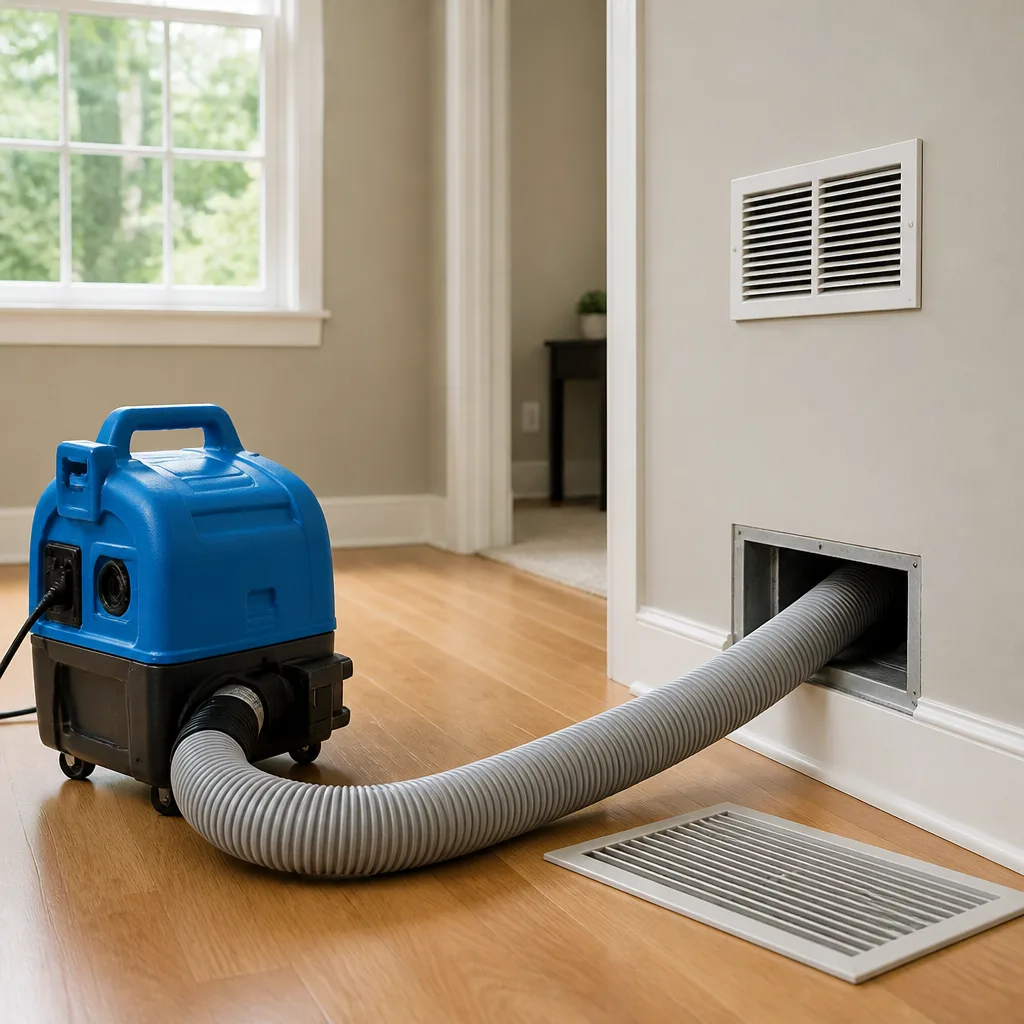 Whole-home duct cleaning
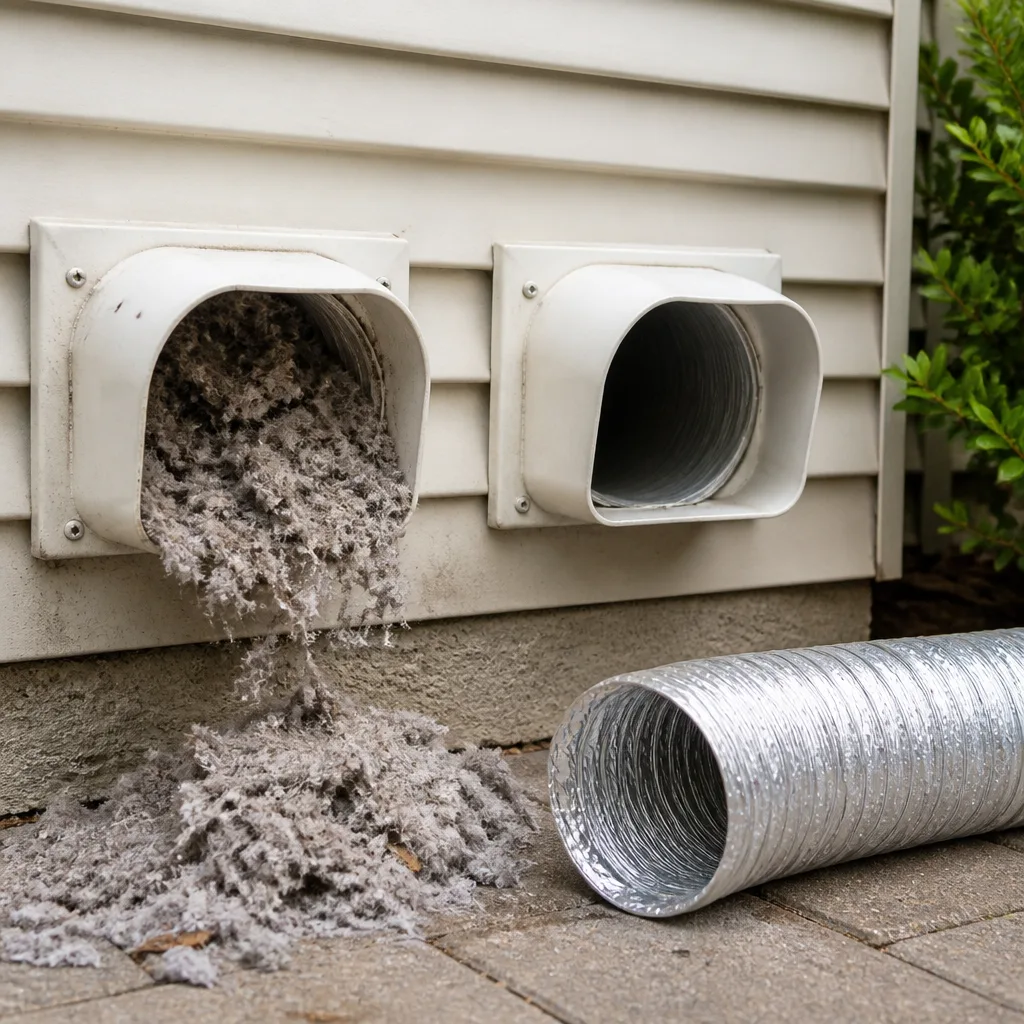 Dryer vent cleaning
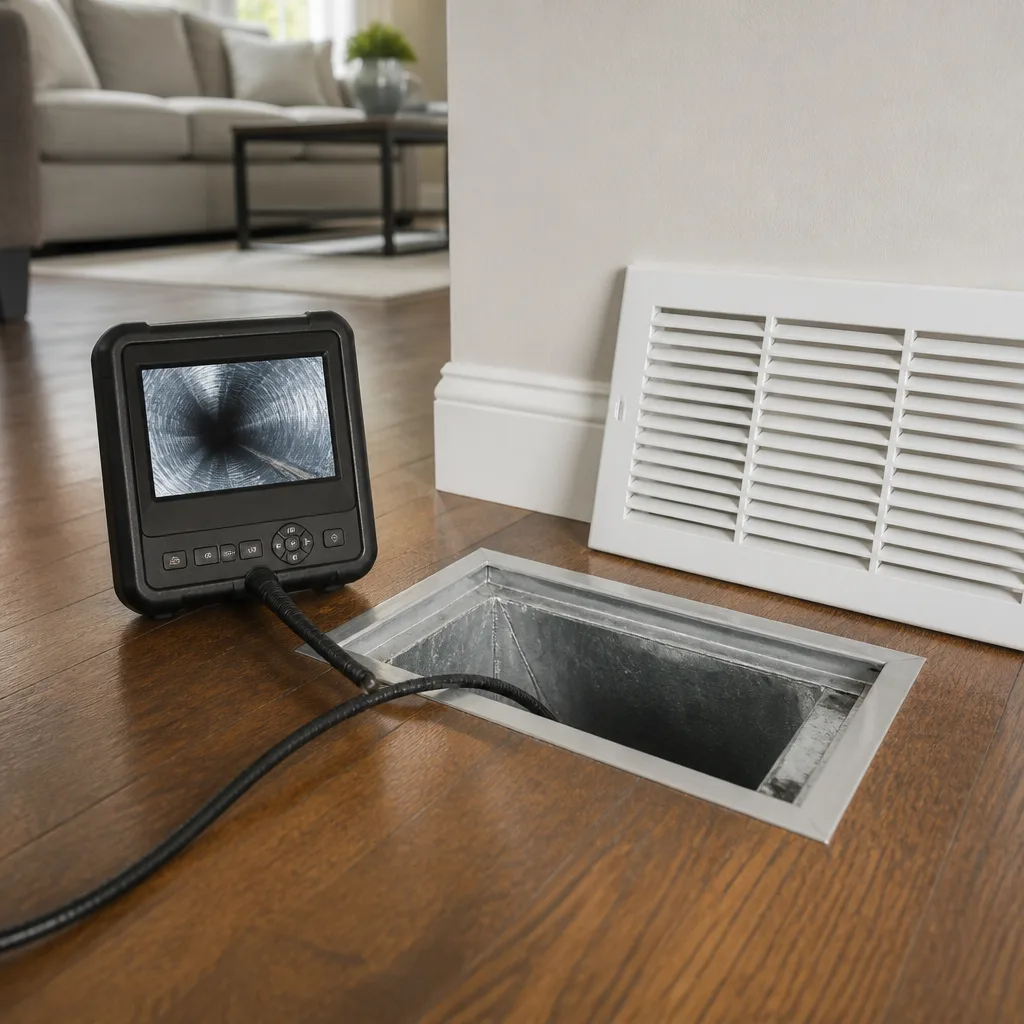 Camera inspection
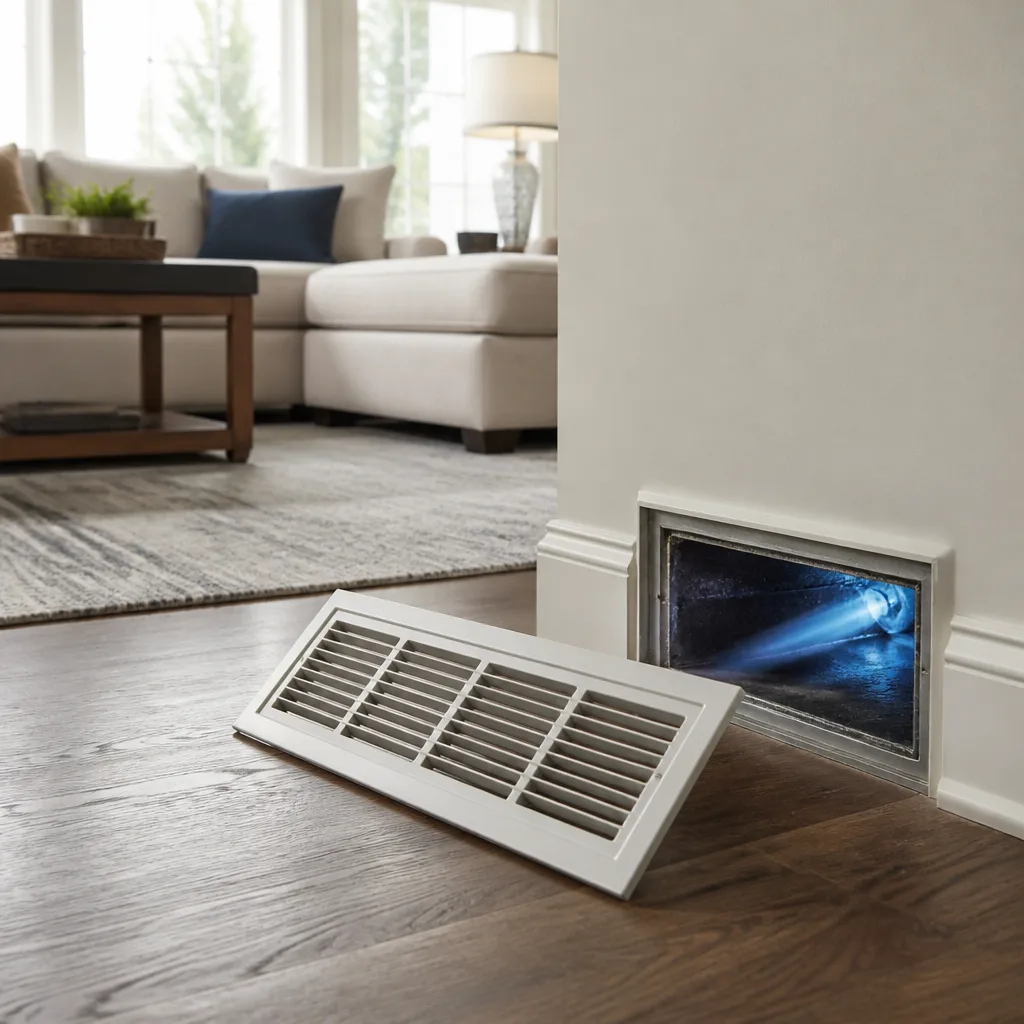 Sanitizing & deodorizing
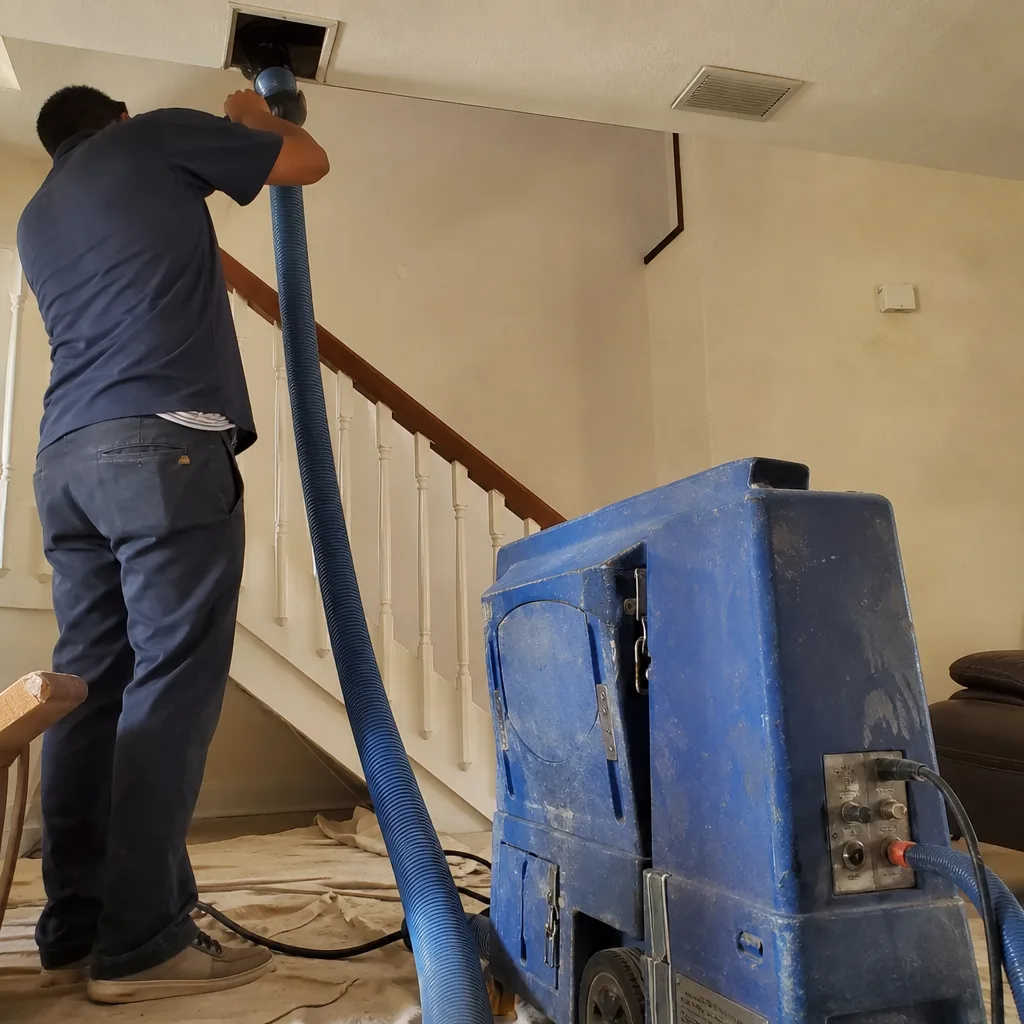
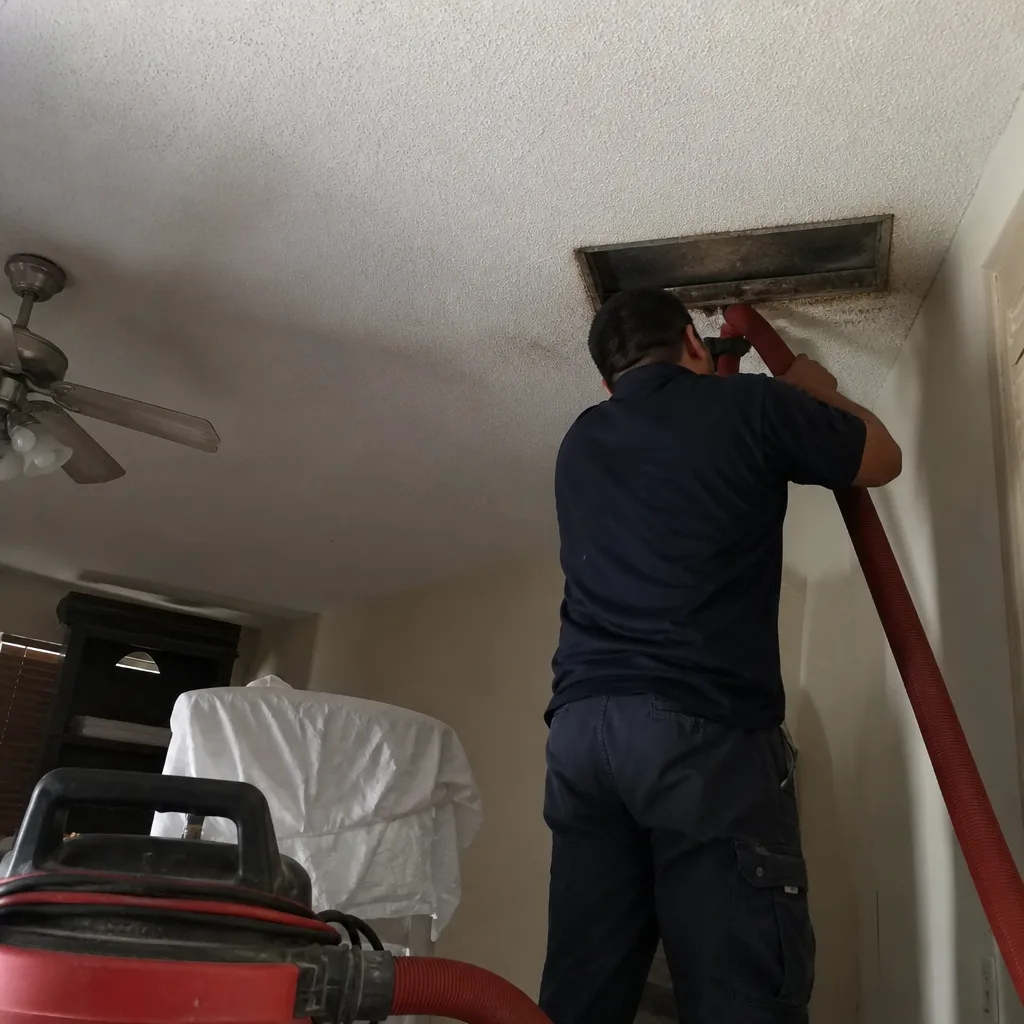
Whole-system duct and dryer vent check with before-and-after photos - you see exactly what came out of your vents
That "$99 whole-house special" is a bait ad - the real number appears once they are in your hallway, or the "clean" is a shop-vac at the register. We photograph the inside of your ducts before and after instead.
Air Duct Cleaning Maintenance Checklist for Miramar Homeowners
Most homeowners treat duct cleaning as a one-time event. Book the service, watch the crew leave, and forget about the ducts until the system starts acting up again. That approach misses the bigger picture. A professionally cleaned system can be recontaminated within a year if the components upstream of it are left alone, and the filter, drain pan, and air handler are exactly where that happens. The short checklist you got from a neighbor probably skips them. This guide covers what to inspect, what to record, and when to call, all built around how air conditioning actually runs in Miramar: heavily, year-round, and against persistent humidity. You’ll learn a repeatable routine you can follow between professional cleans, plus how to document what you find so a technician gets evidence rather than a memory.
Quick Answer
A solid air duct maintenance routine in Miramar has three layers: monthly filter and return-vent checks, quarterly drain pan and condensate line inspections, and an annual professional cleaning with a documented condition log. The most overlooked item on any checklist is the filter slot itself. If air can slip around the filter instead of through it, unfiltered air carries dust straight into your ducts no matter how good the filter is.
Styles & brands we work with
- Whole-home duct cleaning
- Dryer vent cleaning
- Camera inspection
- Sanitizing & deodorizing
Table of Contents
- Why a Duct Cleaning Is a Starting Point, Not an Ending Point
- The Monthly Checklist: Filter and Return Vents
- The Quarterly Checklist: Drain Pan and Condensate Line
- How to Inspect Your Filter Slot for Bypass Gaps
- Return Vent Inspection You Can Do Yourself
- The Annual Checklist: What to Do Before Professional Cleaning
- How to Log Duct Condition Observations Over Time
- Common Mistakes to Avoid and When to Call
Why a Duct Cleaning Is a Starting Point, Not an Ending Point
Think of professional cleaning as restoring a baseline. It removes accumulated debris from the supply runs, return runs, registers, and air handler, and after that the system is as clean as it’s going to get. What happens next depends entirely on maintenance. In a climate with heavy year-round cooling demand, the whole system runs constantly, which means dust, pollen, pet hair, and moisture exposure all keep arriving. The equipment can reset the starting line, but nothing stops the clock from running again.
This matters more in Miramar than in places where the AC rests for months. Systems here pull air through the same ducts all twelve months of the year, so the interval between cleans is effectively compressed. Relative humidity is the other factor. Constant moisture in the air handler area creates conditions where biological growth can take hold, and the most common growth site isn’t the duct interior itself. It’s the wet surfaces just upstream: the drain pan, the condensate line, and the evaporator coil. Once growth establishes there, air moving through the system distributes spores downstream into the ducts. That’s why every professional cleaning visit should include at least a look at those components, and why we treat filtration and air handling as part of the same job as the ducts. You can’t keep ducts clean while ignoring what feeds them.
The practical takeaway is this: schedule the professional cleaning as the anchor of the year, and build cheap, quick monthly and quarterly habits around it. You’ll get more life out of each cleaning, and you’ll catch small problems before they turn into duct repair.
The Monthly Checklist: Filter and Return Vents
Monthly tasks are the ones worth doing quickly and consistently. None take more than fifteen minutes, and all of them directly affect what reaches your ducts.
- Pull the filter and hold it up to light. If you can’t see light through it, it’s done. In a home running AC year-round, a standard one-inch filter often needs changing every 30 to 60 days. Thicker media filters and reusable washable types follow the manufacturer’s schedule, but check them monthly regardless.
- Look at the filter’s fit before you slide in the new one. Any visible gap between the filter frame and the slot is an open door for debris. We cover this in detail below.
- Run your hand along the front face of two or three return grilles. You’re checking for dust film and, more importantly, an even pull of air. A return that feels weak compared with the others can signal a blockage or a disconnected run behind the wall.
- Shine a flashlight into each return vent. You don’t need to reach inside. A light touch on the visible stretch of duct interior is enough to judge whether buildup is starting. Then look up toward the ceiling. Streaks of dust at the vent edge usually mean the run behind it is loading up.
- Note any new smell. Musty or earthy odors from a vent can point to moisture somewhere in the air handling system. That’s a call-the-professional signal, not a spray-something-on-it signal.
A quick word on filters themselves. Many Miramar homes run a high-efficiency pleated filter without checking whether the blower is sized for the added restriction. If your system seems to work harder or the filter clogs faster than it should, the filter housing may be the real issue. Honeywell and Aprilaire filter housings improve sealing and airflow management over a bare slot, and part of what we do is evaluate whether your existing setup is helping or fighting the system. For property managers juggling several homes, a printed monthly checklist posted near the air handler gets maintenance done before it becomes a tenant complaint. That habit ties directly into how often professional air duct cleaning needs to happen.
The Quarterly Checklist: Drain Pan and Condensate Line
Four times a year, set aside a little more time and look at the parts of the system that handle water. This is where Florida’s humid season leaves its mark, and it’s the part of duct care most homeowners never touch.
- Find the drain pan under the air handler. It should be dry with nothing but maybe a little condensation during heavy cooling. Standing water, slime, or rust streaks are warning signs.
- Trace the condensate drain line to where it exits. Look for clogs, insect nests, algae growth, and dark residue. A slow-draining line keeps the pan wet longer, and a wet pan is a growth site.
- Check the secondary pan and float switch if your system has them. Make sure the float switch isn’t stuck. This is a simple visual check, not a repair.
- Inspect the evaporator coil surface through any accessible slot or panel. Dust buildup on the coil reduces efficiency and adds a moisture-friendly layer. Coil cleaning is a professional job, but spotting the buildup early is your part.
- Sniff the air near the air handler. Any damp or musty smell at the quarterly check should go in your log and trigger a call.
Why quarterly? Because Miramar’s humid season doesn’t announce itself on a calendar. Rainfall and long cooling cycles line up for much of the year, and problems in the pan and line compound quickly. A pan that holds water for a few weeks can grow a visible film inside that. Once that film is established, spores travel to the coil and duct interior with every fan cycle. Cleaning and repairing these components is part of how we work through the whole air pathway rather than treating duct internals in isolation. Our technicians have up to 13 years of experience, and the ones we work with approach these checks the way a remediation technician would, because that’s where the source of trouble usually is.
How to Inspect Your Filter Slot for Bypass Gaps
Air takes the path of least resistance. If your filter doesn’t seal against the edges of its slot, some of the airstream goes around the filter entirely and carries unfiltered dust into the ducts. This single gap undoes the benefit of any filter upgrade, and it’s the most overlooked entry point in most homes.
- Turn the system off before touching anything. The blower should not be running while you’re working near the filter or housing.
- Remove the filter and examine the slot’s edges. Look at all four sides. The sides and back of the housing are where gaps hide.
- Check the fit with the new filter in place. If you can see daylight past the filter frame, air is bypassing it. On a bare one-inch slot, small gaps are common and often accepted as normal.
- Look for dust trails behind the filter. This is the clearest diagnostic. If you see dust accumulating downstream of the filter rather than upstream, air is going around it.
- Note the housing type. Bare metal slots are the usual culprit. A sealed filter housing with a gasket around the filter frame closes the gap properly.
If your filter slot is the open type, an upgrade to a sealed housing is one of the most useful improvements for duct health. We work with Honeywell and Aprilaire air-quality systems, both of which offer gasketed housing options and filtration steps beyond what a slot filter can do. Part of our site assessment during an air duct cleaning visit is checking whether your filter setup is actually filtering or just approximating it. This is also the point where we distinguish ourselves from general HVAC contractors: filtration and air handling are the specialty, not an afterthought. You can think of the whole duct cleaning Miramar service as one system check from the return grille to the register face, cabinet and all. A properly sealed filter is the first link in that chain.
Return Vent Inspection You Can Do Yourself
Return vents are the largest openings the system has to pull air from your rooms, and they’re usually the first place buildup becomes visible. A flashlight and a couple of minutes per vent will show you what’s coming.
Start by removing the grille on one return. Most are held by simple screws or a friction fit. With the system off, shine a light into the opening. You should see the duct interior clearly. What you’re looking for:
- A thin, even film of dust. Normal. Keep an eye on it.
- Thick, fuzzy dust or clumped debris. The run is loading up, and cleaning is due sooner than the annual schedule.
- Dust streaks just inside the opening. Air is bypassing the grille seal. You can usually see this on the wall or ceiling near the vent.
- Bent, crushed, or disconnected duct sections. Any run that’s collapsed behind the opening restricts airflow and traps debris. This is a repair issue.
Do this for each return in the house, and note which ones look worse. The pattern tells a story. A single heavily loaded return usually points to a nearby filter bypass, a disconnected run, or an open grille near a dust source. Multiple loaded returns point to general system buildup, which usually warrants a professional clean. Writing the results down is more useful than a vague mental note. Our technicians use equipment like Rotobrush rotary contact cleaning and Nikro negative-air extraction, but a good technician also wants to know where you’ve seen the most buildup before pulling out the tools. Your five minutes of inspection can save half an hour of guesswork.
The Annual Checklist: What to Do Before Professional Cleaning
Before you schedule the annual cleaning, get your observations together and prepare the system. A few simple steps make the professional visit more productive and ensure the aftermath is properly set up.
- Collect your monthly and quarterly logs. A short record of filter change dates, vent observations, drain pan condition, and any smells goes further than a description from memory.
- Clear access to the air handler. Technicians need room to work around the unit and near the return duct.
- Move breakables away from vents being cleaned. Professional equipment creates strong airflow and loosens debris; a little preparation protects belongings nearby.
- Note the questions you want answered. Filter slot gaps, drain pan condition, and duct repair concerns are all fair game at this visit.
- After the visit, inspect the results. Ask for before-and-after photos and walk through the rooms to confirm. Then replace the filters according to the schedule you’ve set, and log the clean date as your baseline.
Annual cleaning doesn’t suit every home. A property with pets, recent renovations, or a history of mold or moisture issues may need a tighter interval, and we’ll say so if the inspection points that direction. What we won’t do is quote a lower number and then expand the job once equipment is in place. Our pricing is a flat price per system agreed before work starts, with no per-vent charge and no bait-and-switch. We use Abatement Technologies containment and HEPA filtration equipment during cleaning, and we take before-and-after photos of your own ducts, so you can see what was removed. That standard is what we apply to every air duct cleaning visit in Miramar.
How to Log Duct Condition Observations Over Time
Memory is unreliable for anything that changes slowly. The dust layer inside a return vent is the perfect example: by the time you notice a change, you’ve already forgotten what “normal” looked like. A simple log fixes that and gives a technician real evidence to work from.
You don’t need a spreadsheet, though one works fine. A notebook taped inside a utility closet door is plenty. Whatever you use, structure each entry the same way so you can compare over time:
- Date for every entry
- Which vents and returns you checked
- Filter condition (clean, coated, loaded, replaced)
- Filter slot observations (gaps visible, dust trail behind filter)
- Drain pan and condensate line (dry, damp, standing water, slime)
- Odors or unusual sounds
- Any changes since the last entry
Keep the entries short. Three or four words per item is enough. The value comes from the pattern: a filter that suddenly loads faster than usual, a drain pan that started holding water, a smell that appeared after a rainy stretch. When a technician sees that history, the diagnosis gets faster and more accurate. Log entries also help you set a realistic cleaning interval instead of guessing. In our experience, homeowners who keep even a loose log tend to schedule cleaning at the right time, not too early and not after damage has set in. If you’re managing properties across Miramar, a consistent log per unit builds a maintenance history you can pass to the next manager without losing the punch list.
Common Mistakes to Avoid and When to Call
Most duct problems we’re called to correct come down to a handful of avoidable habits. Watch for these.
- Assuming a bigger filter is automatically better. A high-efficiency filter on an undersized system or an unsealed slot can increase restriction while letting air bypass it. Match the filtration to the system.
- Never checking the filter slot. The gap between filter and housing is the most common source of unfiltered air, and most checklists never mention it.
- Ignoring the drain pan until something overflows. By then the wet surface has been a growth site for weeks. Quarterly checks catch it earlier.
- Cleaning the ducts and stopping there. If the source in the air handler or filter slot is left alone, the system starts recontaminating right away.
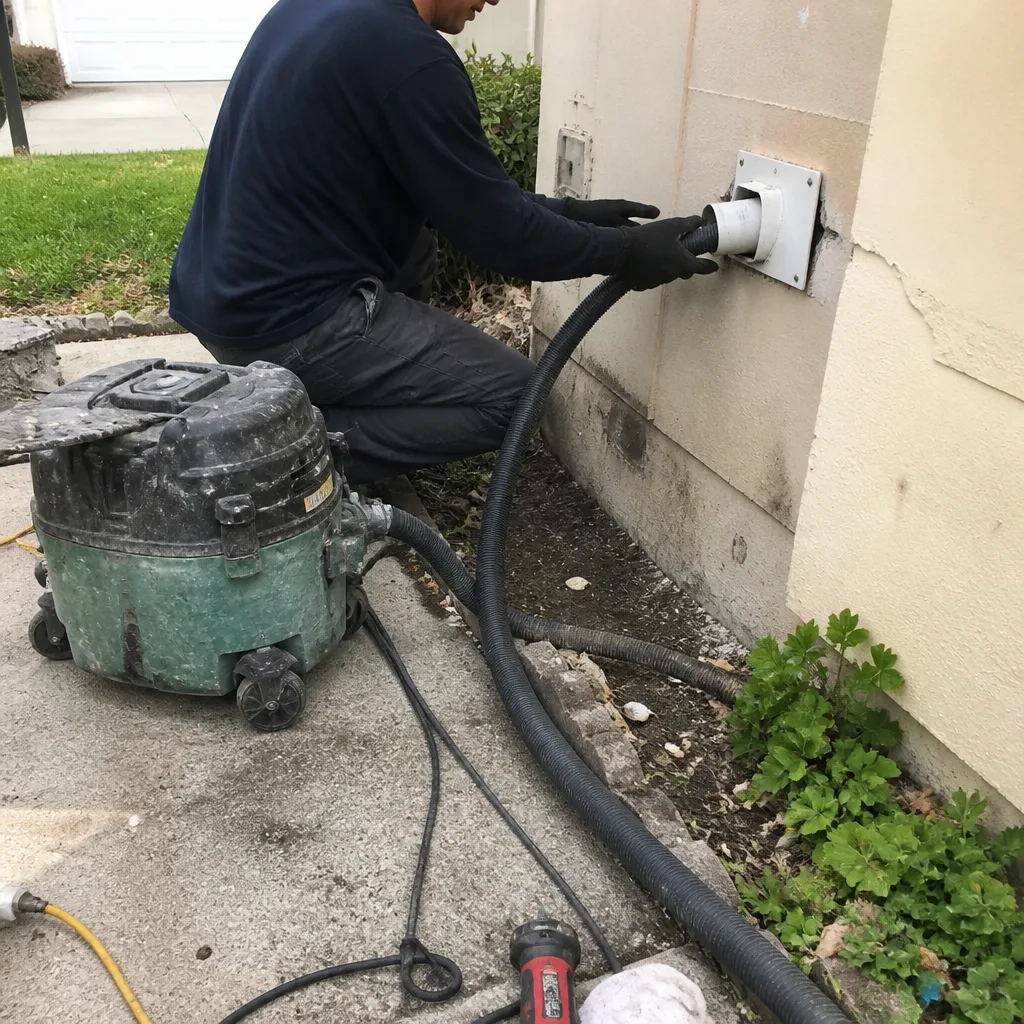
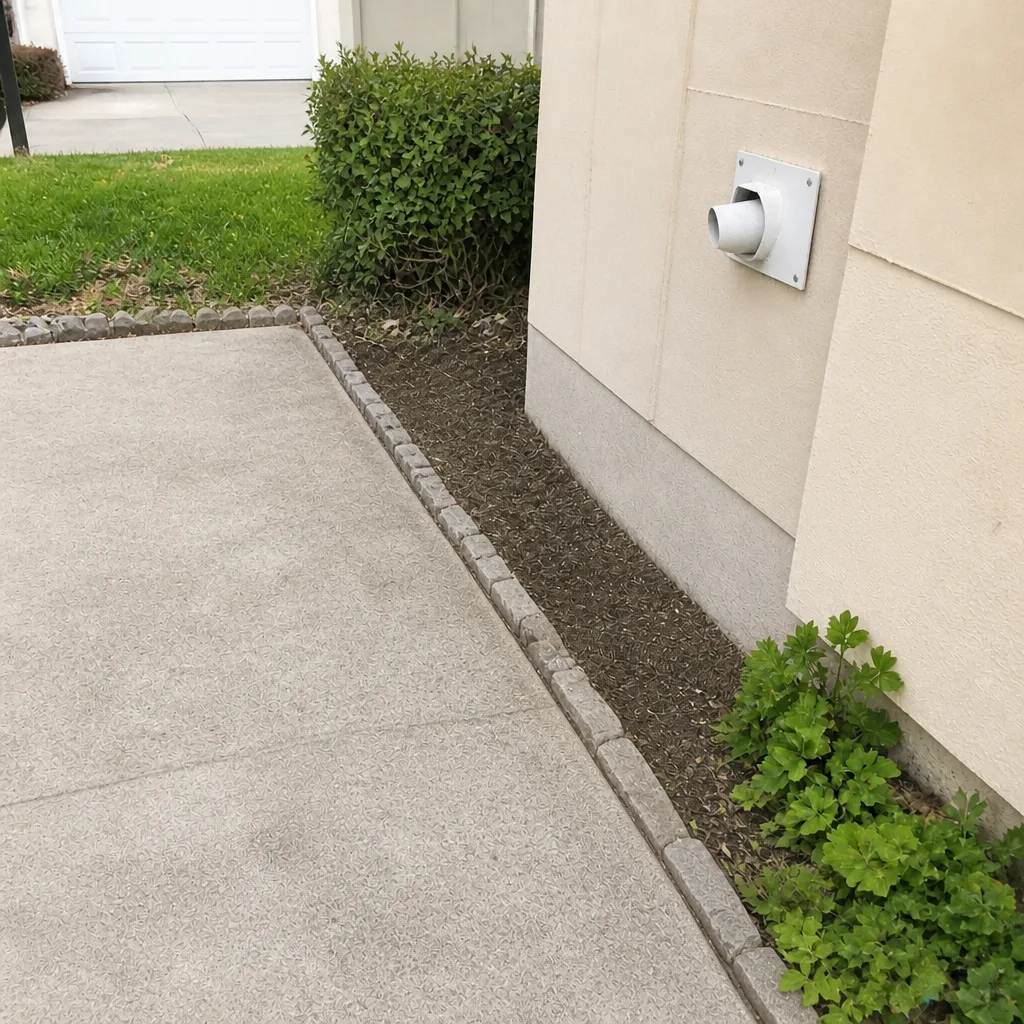
- Calling a handyman for dryer vent work. dryer vent cleaning is a fire-safety service, and it should use the same professional tooling as duct work, not a shop vacuum and a guess.
- Skipping duct repair when damage is found. Crushed or disconnected runs collect debris and undermine the whole cleaning. We diagnose and repair on the same visit, so a damaged run is closed out, not left in place.
- Going with a low coupon price without asking what the final price will be. Ask for a whole-system price and before-and-after photos in writing before anyone opens a duct.
Some situations are a clear signal to call rather than keep watching. Standing water in the drain pan, ongoing musty odors, visible sagging or separated duct runs, a filter that loads in under a month, or a dryer that takes far longer to dry clothes than it should. Those all point to work that needs professional equipment and, in some cases, repair. We work on the whole air pathway: ducts, vents, filtration, and repair as one scope, which means you’re not left to find a second contractor after a cleaning turns up a broken run.
See the difference
 Before
 After
 Before
 After
 Before
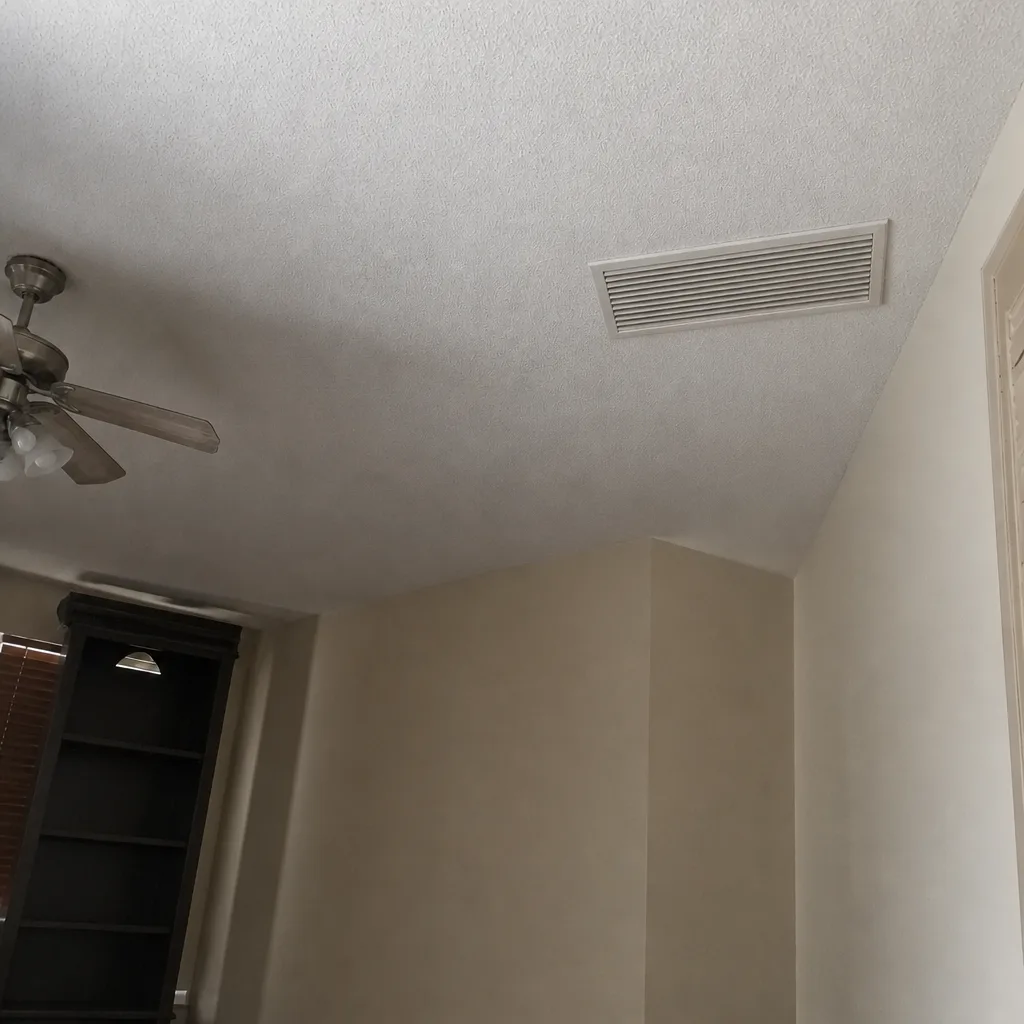 After
When to Call a Professional
Call a professional when you’ve got evidence, not a hunch. Standing water in the drain pan, visible biological growth, a musty smell near the air handler, or a filter slot that can’t be sealed with a simple housing swap all justify a visit. Duct repair signs matter too: sagging, disconnected, or crushed runs behind return grilles, or airflow that’s clearly weak at one vent while fine everywhere else. And keep dryer vent cleaning in the annual plan, since a clogged dryer vent is a recognized fire hazard. Duct Cleaning Miramar offers free estimates in Miramar – call (877) 583-7369. Estimates are set per job in writing, and three service lines (duct cleaning, dryer vent cleaning, and duct repair) are handled by the same trained crew. Our own visits include before-and-after photos and a flat price agreed before work starts.
Frequently Asked Questions
Once a year is a reasonable baseline for most Miramar homes, but the right interval depends on your filter setup, pets, renovations, and any moisture history in the air handler. Homes with a resealed filter housing and consistent filter changes often stretch the interval longer. Homes with chronic drain pan moisture or multiple loaded returns need a tighter schedule. Call (877) 583-7369 for an exact quote based on your system.
The filter slot is the most overlooked item. If air bypasses the filter, no filter rating matters. Look for gaps around the filter frame and dust trails behind the filter. A sealed housing typically fixes it. Call (877) 583-7369 for an exact quote on a duct clean that includes an assessment of your filtration setup.
Yes, though the humidity’s effect is indirect. It doesn’t deposit dust in the ducts, but it keeps drain pans, condensate lines, and coils wet, which supports growth that the air stream then distributes downstream. Keeping those components dry and clean is the real humidity defense. Call (877) 583-7369 for an exact quote on a whole-system inspection.
We don’t recommend it. Consumer tools lack the agitation and negative-pressure containment needed to remove debris rather than redistribute it into your home. Without containment, a shop vacuum can spread fine dust through the living space. Professional equipment like Rotobrush and Nikro systems work as a pair: one agitates, one captures. That’s a different process from a consumer kit. Call (877) 583-7369 for an exact quote.
Ask for before-and-after photos of your own ducts, not stock images. Look for a flat price per system in writing and a clear scope of what was cleaned and repaired. A professional should be able to show the change. We provide before-and-after photos on every visit. Call (877) 583-7369 for an exact quote.
Low quotes often cover part of the system, then expand after equipment is on site. Others skip the air handler, coil, and drain pan entirely, so the source of the problem is untouched. A useful quote should state a whole-system price in writing before work begins. Ours is flat per system, with no per-vent pricing. Call (877) 583-7369 for an exact quote.
The Bottom Line
The annual cleaning matters, but the maintenance between clean visits is what determines how long it lasts. Monthly filter and return checks, quarterly drain pan and condensate line inspections, and a simple written log of what you find will keep your duct health visible and documentable. Watch the filter slot, because bypass ruins any filter. Watch moisture, because that’s what supports growth. And when a return looks loaded, a duct run looks damaged, or the dryer gets slow, call rather than guess. A documented owner who keeps a log gets faster, more accurate work from any technician than one relying on memory. That’s the whole point of a checklist.
Ready to schedule a full-system cleaning or repair? Call (877) 583-7369. We answer 24/7. Fast dispatch from 7am to 7pm, Sunday through Friday. Free estimates; flat price per system in writing before work starts. If you’re looking for a starting point for your annual clean, the team behind Miramar‘s duct cleaning service is ready to walk your system with you.
Written by the team at Duct Cleaning Miramar.