
Last updated November 15, 2026
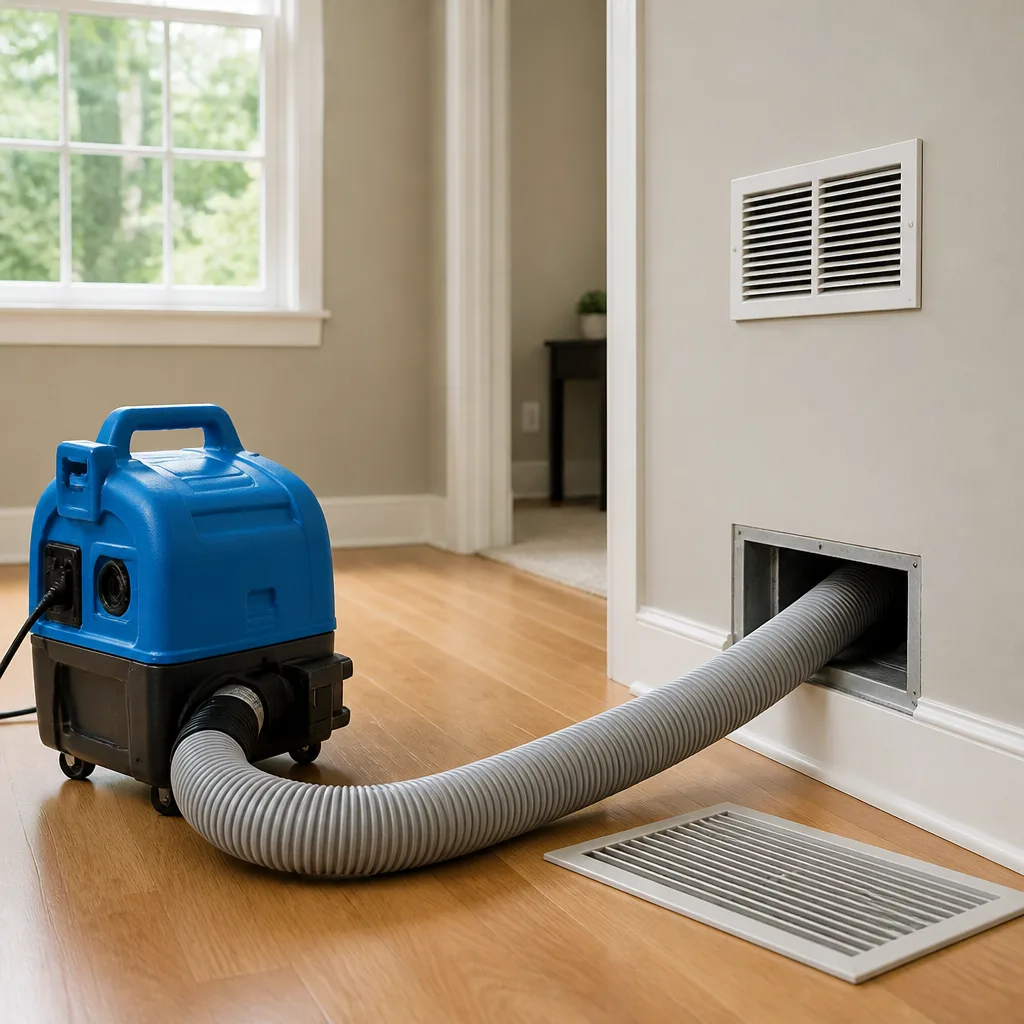 Whole-home duct cleaning
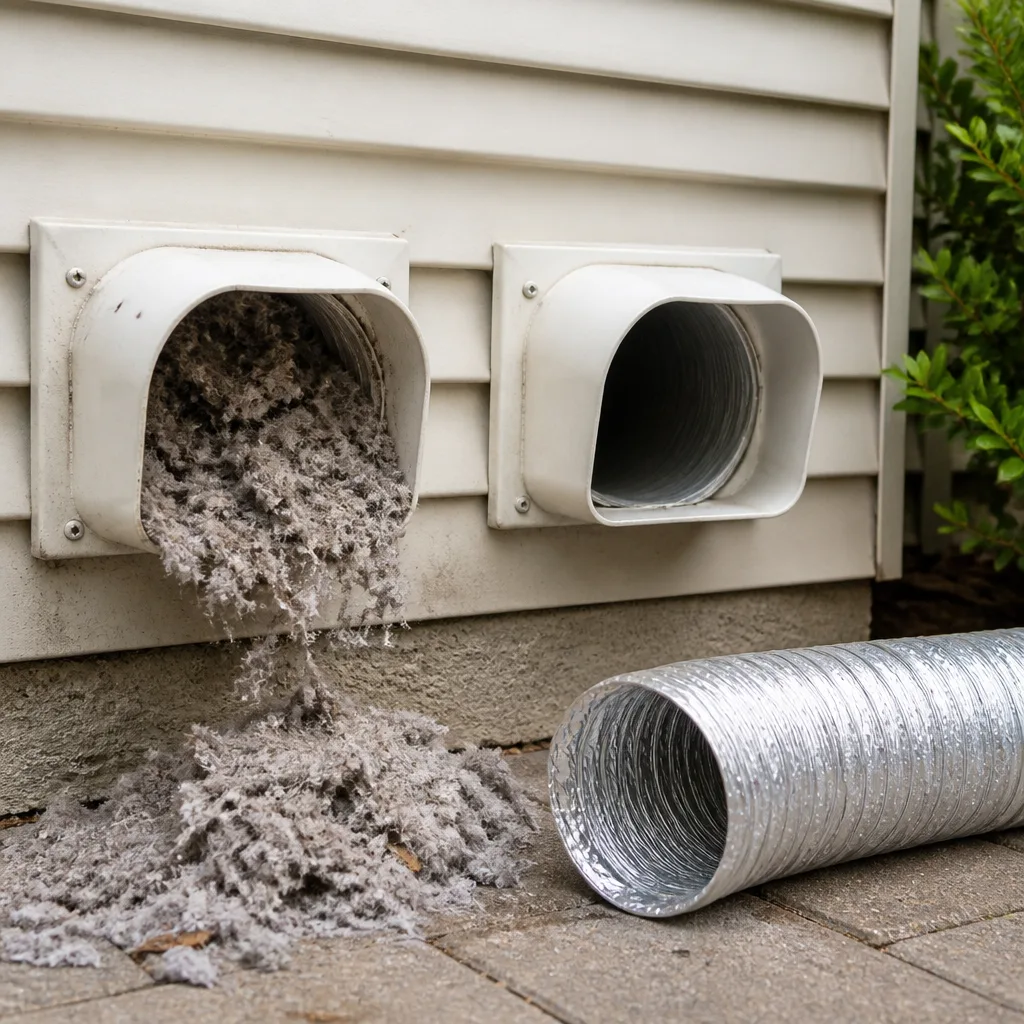 Dryer vent cleaning
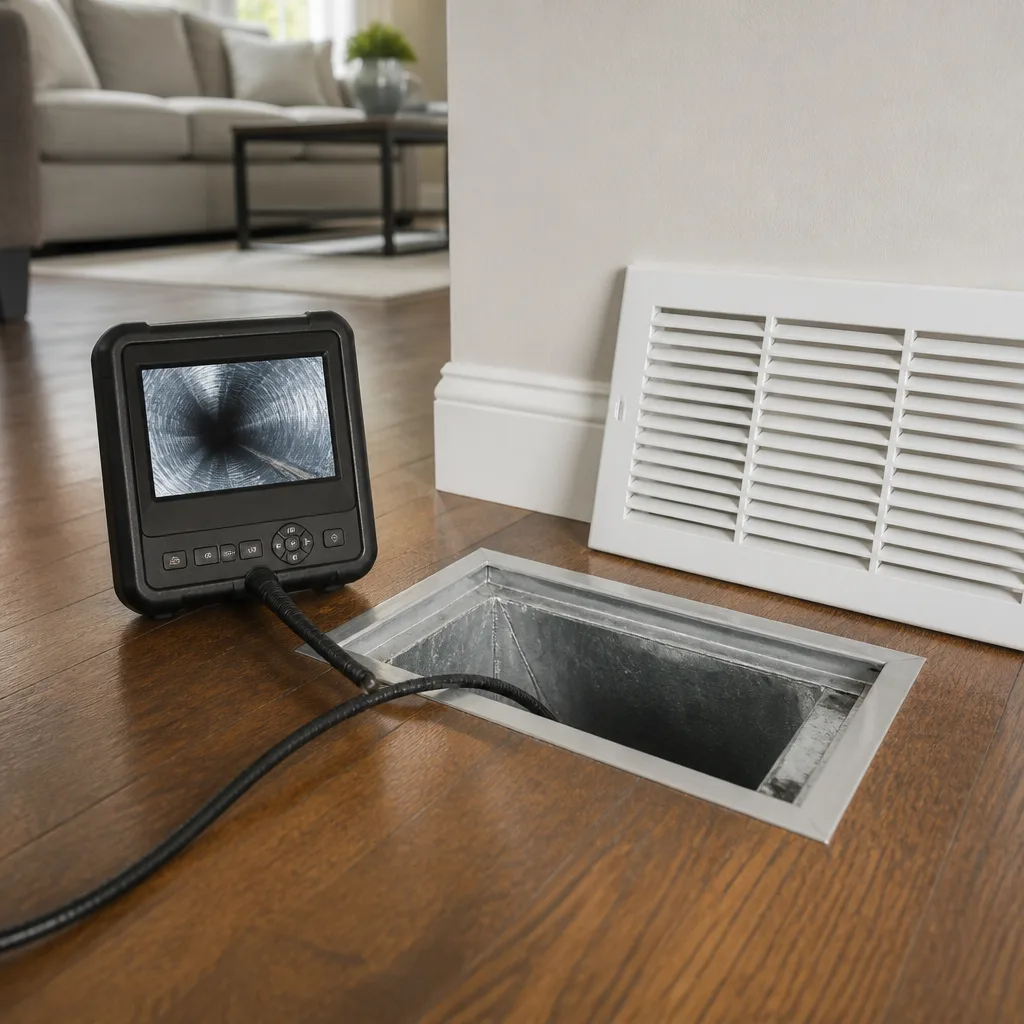 Camera inspection
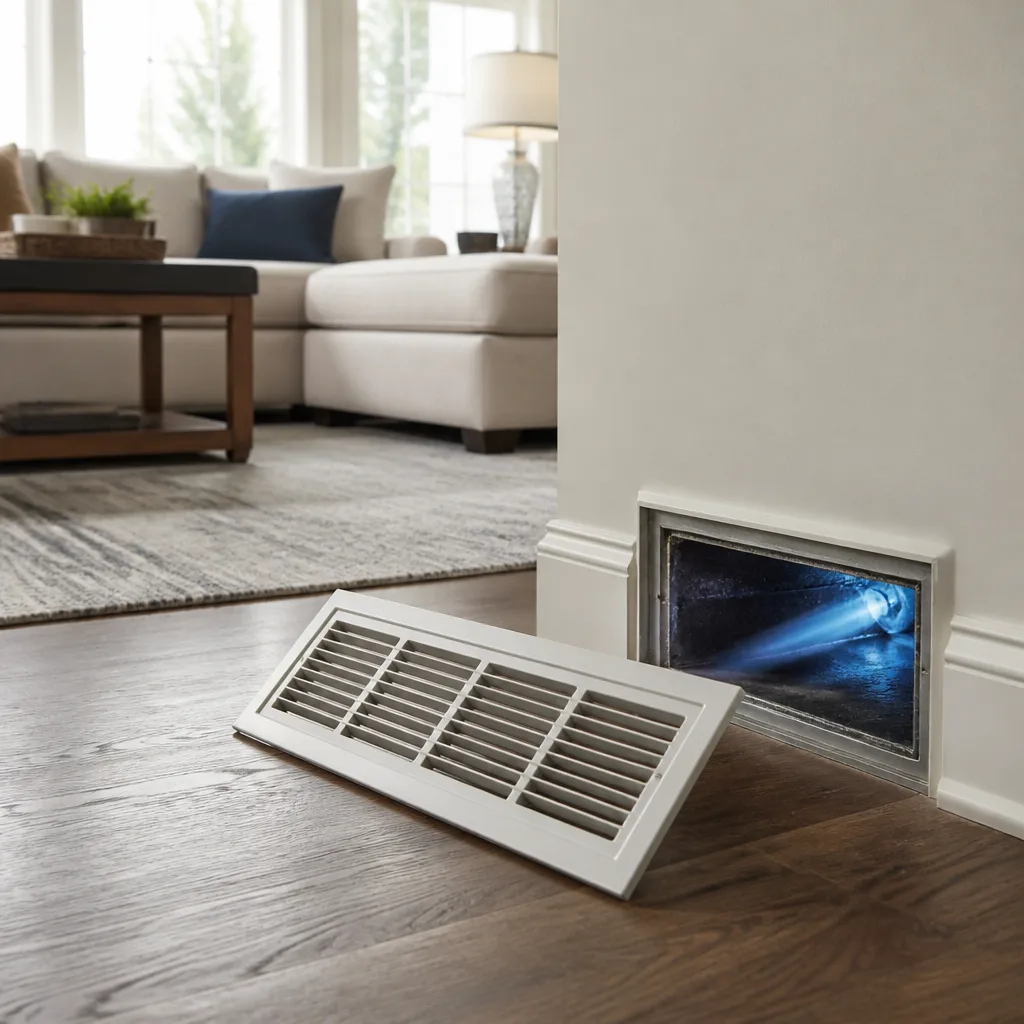 Sanitizing & deodorizing
Whole-system duct and dryer vent check with before-and-after photos - you see exactly what came out of your vents
That "$99 whole-house special" is a bait ad - the real number appears once they are in your hallway, or the "clean" is a shop-vac at the register. We photograph the inside of your ducts before and after instead.
Choosing the Right Air Duct Cleaning Brand: A Buyer’s Guide for Miramar
Most homeowners size up a duct cleaning company by its reviews and its price. That’s understandable, and it’s also backwards. The single most predictive factor for how clean your ducts actually get is what equipment shows up in the driveway, and very few contractors are upfront about what they’re running. A truck-mounted blower and a Rotobrush contact-cleaning system with negative-pressure extraction are not two flavors of the same service, even when both are advertised as “air duct cleaning.” This guide explains how the equipment works mechanically, what HEPA filtration does during a job, and the exact questions to ask a Miramar contractor so you can research the answers yourself.
Quick Answer
The right air duct cleaning brand in Miramar is the one that uses contact cleaning plus negative pressure: rotary brush agitation to break debris off duct walls, paired with a HEPA-rated vacuum that captures it. Blow-and-go truck-mounted systems that rely on air pressure alone move dust around rather than removing it. Ask for the specific equipment model, verify the method against NADCA’s published source-removal standards, and treat “we use a big truck vacuum” as an incomplete answer.
Styles & brands we work with
- Whole-home duct cleaning
- Dryer vent cleaning
- Camera inspection
- Sanitizing & deodorizing
Table of Contents
- Why Equipment Brand Matters More Than You Think
- How Contact Cleaning Actually Works
- What Negative Pressure and HEPA Filtration Do
- Why Equipment Matters More in Miramar’s Humidity
- Questions to Ask a Contractor About Equipment
- Cross-Referencing Claims Against NADCA Standards
- Why the Whole Air Pathway Matters
- Dryer Vent Cleaning and the Same Equipment Question
Why Equipment Brand Matters More Than You Think
Duct cleaning lives or dies on physics, not branding. Debris in a duct is either stuck to the surface or sitting loose in the airflow. Loose debris is easy; almost anything with suction lifts it. The stubborn material is what has bonded to the interior walls over years, and bonded material does not come off because you pushed more air past it. It comes off because something physically broke the bond.
That’s the dividing line in this trade. On one side you have contact-cleaning systems that insert a rotating brush or whip into the duct run and agitate the surface while a vacuum pulls the loosened material out. On the other side you have pressure-based systems that use a large blower to pressurize the trunk line and rely on airflow to carry debris toward a collection point. The second category can be genuinely powerful. It is also the wrong tool for adhered buildup, and it can push material into branch runs and registers instead of out of the system.
There’s a second reason equipment matters: it tells you what kind of company you’re talking to. A dedicated indoor-air-quality specialist invests in duct cleaning as a specialty. A general HVAC contractor often treats duct cleaning as an add-on between furnace calls, using whatever came bundled with their main equipment. Neither is dishonest, but they produce different results. We’ve found that asking “what model of equipment will you bring?” sorts the two quickly, because the specialist can answer without hesitation.
This is not an argument that one brand name guarantees a good job. It’s an argument that the equipment category tells you the method, and the method tells you the outcome. If you want to compare the service itself before you compare vendors, our air duct cleaning page lays out what a full job involves from start to finish.
How Contact Cleaning Actually Works
Contact cleaning is what the name suggests: the cleaning tool physically touches the duct surface. A rotary brush system feeds a spinning brush head down each run from a supply or return register, and the brush head expands to match the duct dimensions. As it travels, the bristles scour the interior walls and lift the bonded layer. Insulation, dust matting, and the fine grey film that accumulates on galvanized duct lining all respond to this in a way they never respond to airflow alone.
The sequence inside a typical job looks roughly like this:
- Inspection first. Before any cleaning, the technician assesses the layout, the duct material, and the condition of the runs. Flex duct, sheet metal, and duct board each behave differently under a brush.
- Containment setup. Registers are removed, access openings are cut where needed, and negative pressure is established at the collection point so the system is under vacuum before agitation begins.
- Brush agitation, run by run. Each branch is cleaned individually. The brush loosens debris from the walls; the vacuum collects it as it’s released.
- Trunk and main line cleaning. The larger runs get broader brush heads and more passes. This is where most of the volume sits.
- Final vacuum pass and verification. The system runs under negative pressure until the collection equipment shows the duct is clear, then registers go back on and the technician does a walkthrough with the homeowner.
The systems we use for this are Rotobrush rotary contact cleaners, which are the same category of equipment commercial and industrial duct cleaning firms deploy on large buildings. Nikro negative-air extraction units handle the collection side. The two work as a pair, and that pairing is the whole point of the method.
What Negative Pressure and HEPA Filtration Do
A brush that loosens debris without a vacuum attached is just a dust dispersal device. This is the part buyers consistently overlook. Loosening is half the job. Capturing what you loosen is the other half, and it’s the half that determines whether your home gets cleaner or just gets a fine coating of whatever was living in the ducts.
Negative pressure means the duct system is held at a lower pressure than the room it sits in. Air moves from the room toward the collection point rather than the other way around. Any dust released during agitation gets drawn toward the vacuum instead of drifting out through open registers into living space. The effect is straightforward: containment. It’s why remediation crews use it on mold and asbestos jobs, and it’s why we use it on residential duct work.
HEPA filtration is the second layer. A HEPA-rated vacuum captures particles that a standard shop vac would exhaust right back into the room. Abatement Technologies equipment, which we deploy for containment and filtration during service, comes out of that remediation tradition rather than the residential cleaning market. In practice, this means a job can run for hours in an occupied house without the occupants breathing the debris being pulled out. When a contractor tells you they use “a powerful vacuum,” ask whether it’s HEPA-rated. That’s a binary question with a verifiable answer.
Why Equipment Matters More in Miramar’s Humidity
South Florida runs humid for most of the year, and that changes what’s sitting in your ducts. In a dry climate, duct dust tends to stay powdery. It accumulates, but it moves when airflow pushes it. In Miramar, humidity gives that dust a way to adhere to the metal. Moisture condenses on cool duct surfaces during the cooling season, dust settles onto the damp film, and the cycle repeats until what’s left on the duct wall is less like dust and more like a bonded layer.
That layer is where biological growth gets a foothold. Duct interiors don’t need standing water to support microbial buildup; persistent high ambient humidity and a food source in the dust are enough. Once biofilm forms, it bonds to the surface and the problem compounds. Airflow alone will not remove it, because surface adhesion beats air pressure every time.
This is the practical reason equipment matters more here than in Phoenix or Las Vegas. In a dry climate, a blow-and-go service produces a result that looks acceptable for a while. In Miramar, it doesn’t. The bonded material stays on the wall, the humidity keeps feeding it, and homeowners see the same dust return within a season. Mechanical agitation is the only thing that breaks it loose, and a HEPA collection system is what keeps it from ending up in the rest of the house.
If you’re in a neighborhood like Sunset Lakes or Monarch Lakes, where homes are tightly built and the AC runs almost continuously for much of the year, the duct system is your air pathway in a very literal sense. What’s on the wall of that pathway is what the house circulates.
Questions to Ask a Contractor About Equipment
Don’t settle for a brand name. A contractor who says “we use Rotobrush” has told you something useful, but the follow-up matters more. Specific model numbers let you research capability directly. Here is a set of questions that will separate a serious operation from a generic one:
- “What’s the specific model of your contact-cleaning equipment?” Any contractor using professional equipment can name it. A vague answer (“rotary brush system”) is closer to a marketing line than a specification.
- “What’s the CFM rating on your vacuum?” CFM (cubic feet per minute) tells you how much air the extraction unit moves. A machine that can’t pull enough volume won’t capture what the brush releases. Ask, then look up the spec sheet yourself.
- “Is your vacuum HEPA-rated?” If not, ask where the exhaust goes. The answer usually reveals whether debris is being captured or recirculated.
- “How do you establish negative pressure during the job?” This is a method question, not a product question. The right answer describes containment setup before cleaning starts.
- “Do you clean the trunk lines, or just the branches?” A blow-and-go service often skips the trunk. The trunk is where the debris volume lives.
- “What happens if you find damaged ductwork?” A contractor who walks away when they find a disconnected flex run or a crushed section is leaving you with the original problem. This is where a repair capability matters.
- “Do you sub out the cleaning or send your own technicians?” The crew that cleans should be the crew that shows up. Subcontracting makes it hard to verify equipment claims.
The answers you get back should line up with the equipment names you can research: Rotobrush, Nikro, Abatement Technologies, and similar professional-tier manufacturers. If a contractor can’t name any of them and can’t name a model, you’ve got your answer.
Cross-Referencing Claims Against NADCA Standards
The National Air Duct Cleaners Association (NADCA) publishes standards on what constitutes source removal in duct cleaning, and those standards exist precisely because the trade has a wide spread in quality. When a contractor describes their method to you, cross-reference the description against the standard. You don’t need to read the whole document. You need to listen for the same elements the standard emphasizes.
Here’s what to listen for:
- Contact cleaning is described as the primary method. If a contractor describes pressure-only cleaning as their standard approach, that’s a gap against the published methodology.
- Negative pressure is established before agitation. Order matters. A company that “sucks out the dust after brushing” has the sequence backwards.
- Containment is discussed. Remediation-grade containment is the norm on serious jobs. If the contractor never mentions it, ask.
- The whole system is addressed, not just the visible registers. Cleaning registers is not cleaning ductwork. The trunk and branch runs are the target.
- Post-cleaning verification is part of the job. A good contractor can show you what the inside of the duct looked like before and after.
We’ve seen more than a few jobs where a homeowner paid for “duct cleaning” and got a twenty-minute vacuum of the registers. The NADCA framework is the tool that lets you check. If a contractor can’t describe their method in terms the standard would recognize, the equipment brand on their brochure isn’t going to help them.
Why the Whole Air Pathway Matters
Your air path runs from the return grille through the filter, into the air handler, through the supply trunk and into every branch that feeds a room. Duct cleaning addresses the pathway itself. But the filter and the air handler are part of the same system, and cleaning the ducts without addressing filtration means the system will re-dirty faster.
This is where familiarity with filtration and air-quality systems beyond the duct work becomes useful. We stock and service Honeywell and Aprilaire air-quality equipment, which covers the filter cabinets, media filters, and air-handling components that sit alongside the ducts. When we’re in a Miramar home for duct cleaning, we can look at the filter situation, note whether the current filter is undersized for the system or bypassing around the edges, and recommend an upgrade where it genuinely helps. It’s not an upsell; it’s the part of the job that keeps the ducts clean longer.
The second piece is repair. A meaningful share of duct cleaning jobs turn up problems: a disconnected flex run in the attic, a crushed section under a renovation, a boot connection that was never sealed properly. A contractor without repair capability documents the damage and hands the homeowner a phone number for someone else. We treat air duct repair as a natural extension of the cleaning visit. We clean it, and if it’s broken, we fix it.
Dryer Vent Cleaning and the Same Equipment Question
The same equipment logic applies to the dryer vent, and the stakes are higher. Lint accumulation in a dryer vent is a recognized fire hazard, and the failure mode is different from duct dust. Lint compacts. It clings to the interior of the vent run, and it builds up at every elbow. A flexible brush or a shop vac pulled through by hand can dislodge some of it, but a bonded lint layer in a long or heavily-elbowed run needs the same mechanical agitation and HEPA capture that ducts do.
Treat dryer vent cleaning as a fire-safety service, not a housekeeping task. The right equipment to bring is the same professional tooling we bring to duct jobs: rotary agitation to break the lint loose from the vent wall, negative pressure and HEPA collection to capture it. That’s a meaningful step up from handyman-level work, which is often a consumer-grade brush fed through from the outside. If your dryer is taking noticeably longer to dry a load, or the exterior vent flap shows lint accumulation, the vent run needs attention. Our dryer vent cleaning page covers the specifics of what a full vent job involves.
When you’re talking to any contractor, ask the same equipment question for the dryer vent as for the ducts. Same brand, same model, same answer.
Common Mistakes to Avoid
- Choosing on price alone. The lowest bid in a Miramar market usually reflects the cheapest equipment. That’s exactly the equipment that can’t remove bonded material, which means you’re paying for airflow where you needed agitation.
- Accepting a brand name without a model. “We use Rotobrush” is a start. Ask which model, and look up its CFM rating. If the contractor can’t tell you, they may not know either.
- Believing “truck-mounted means powerful.” A truck-mounted blower can move air. Moving air does not break surface adhesion. Ask what the truck is attached to and whether it’s paired with contact cleaning and HEPA collection.
- Skipping the negative-pressure question. If the job doesn’t establish containment before agitation, dust is going somewhere. It’s either captured or it’s in your living room.
- Not asking about repair. Duct cleaning frequently turns up damaged runs. A contractor without repair capability leaves you with a documented problem and no fix.
- Forgetting the dryer vent during the duct visit. The vent is the same equipment question and a fire-safety item. If you’re already having the ducts done, have the vent assessed in the same visit.
- Assuming climate doesn’t matter. Miramar’s humidity means duct dust adheres instead of staying loose. The method that works in a dry climate is not the method that works here.
See the difference
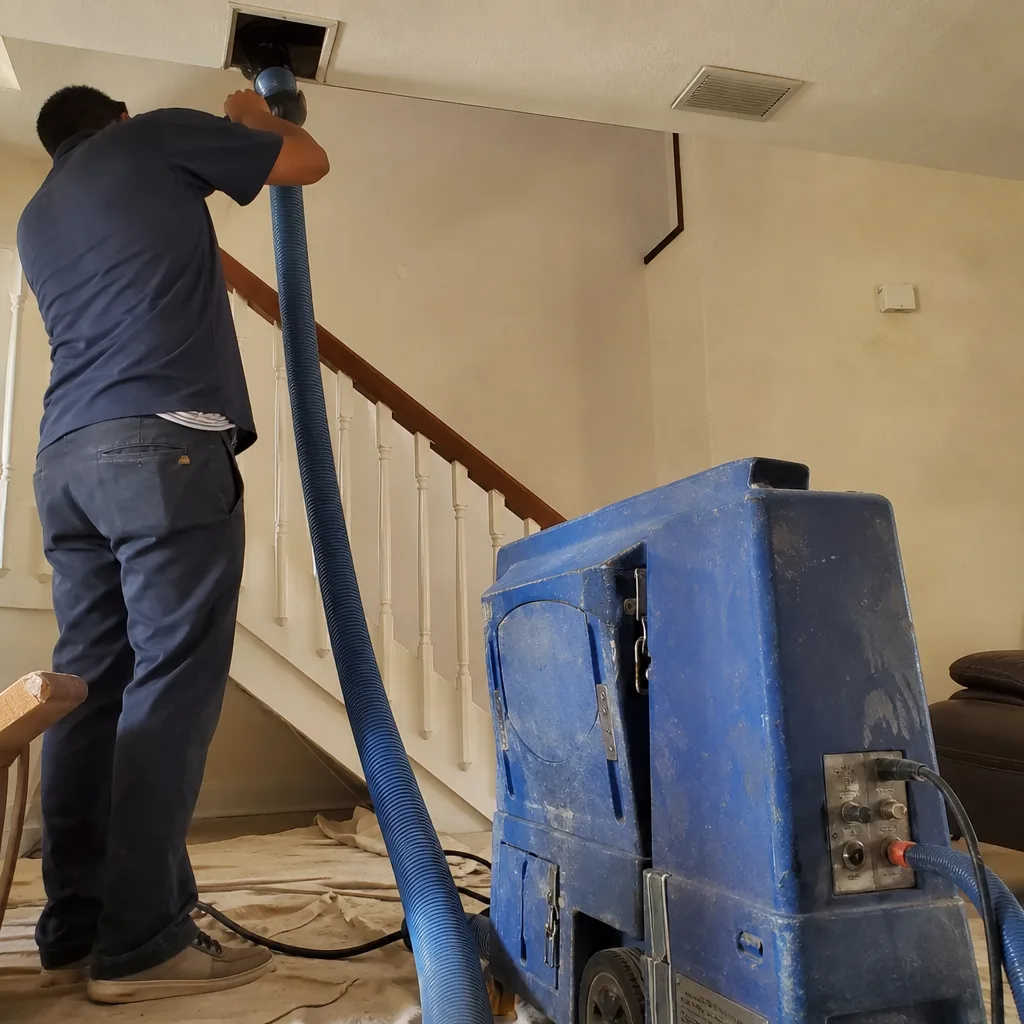 Before
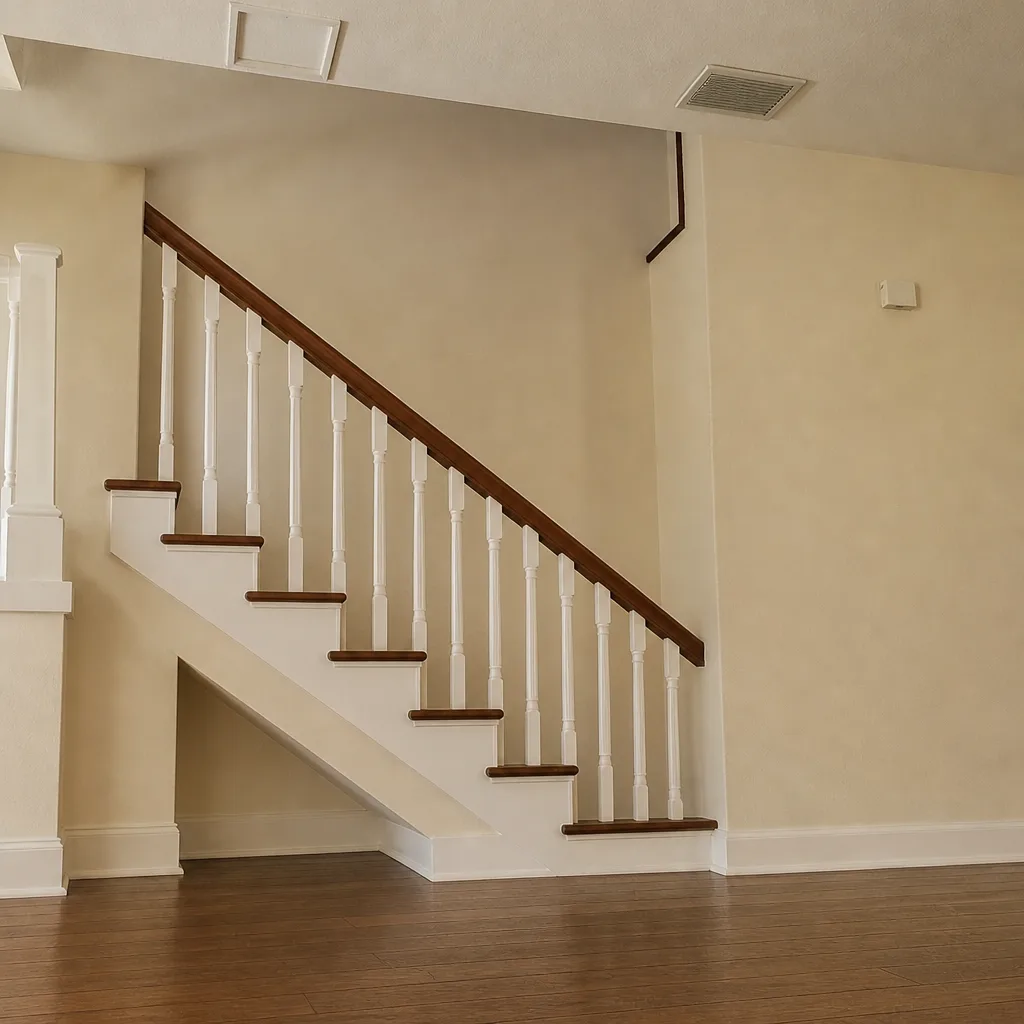 After
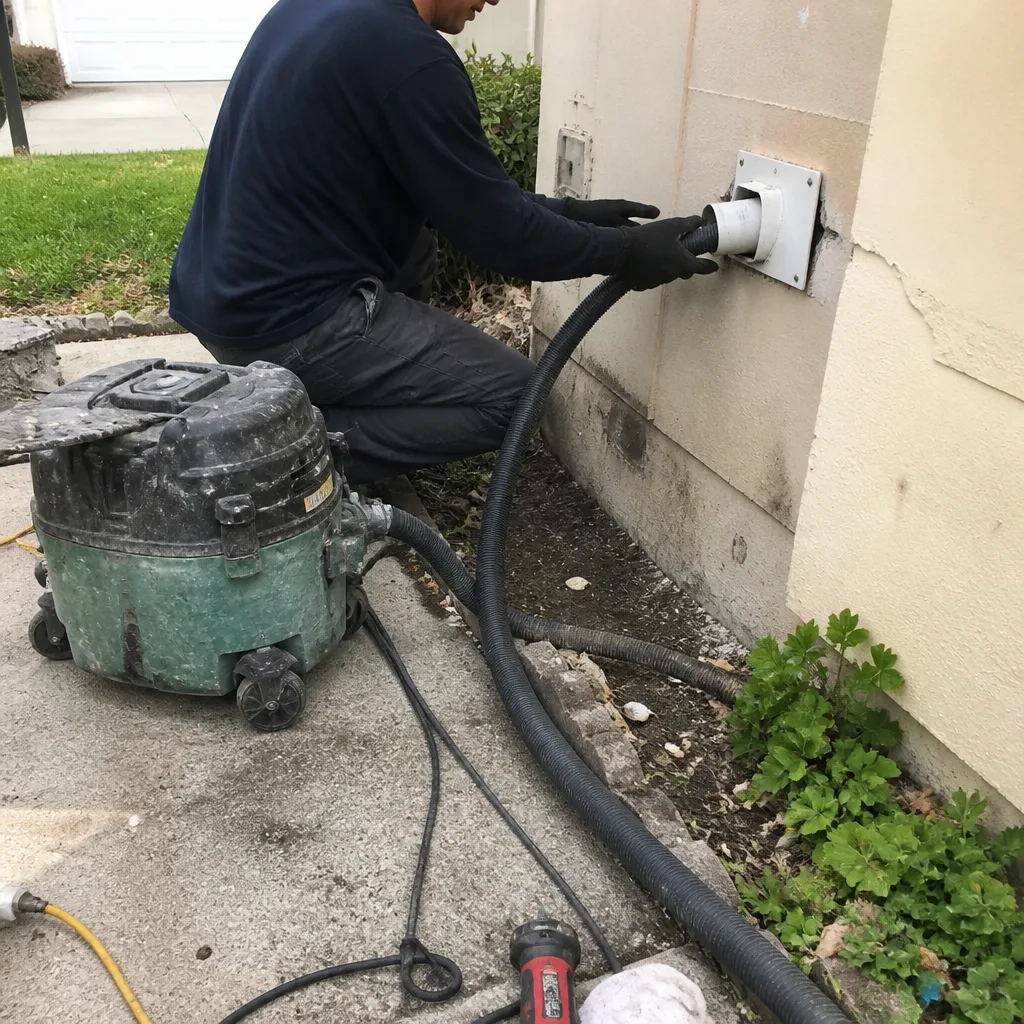 Before
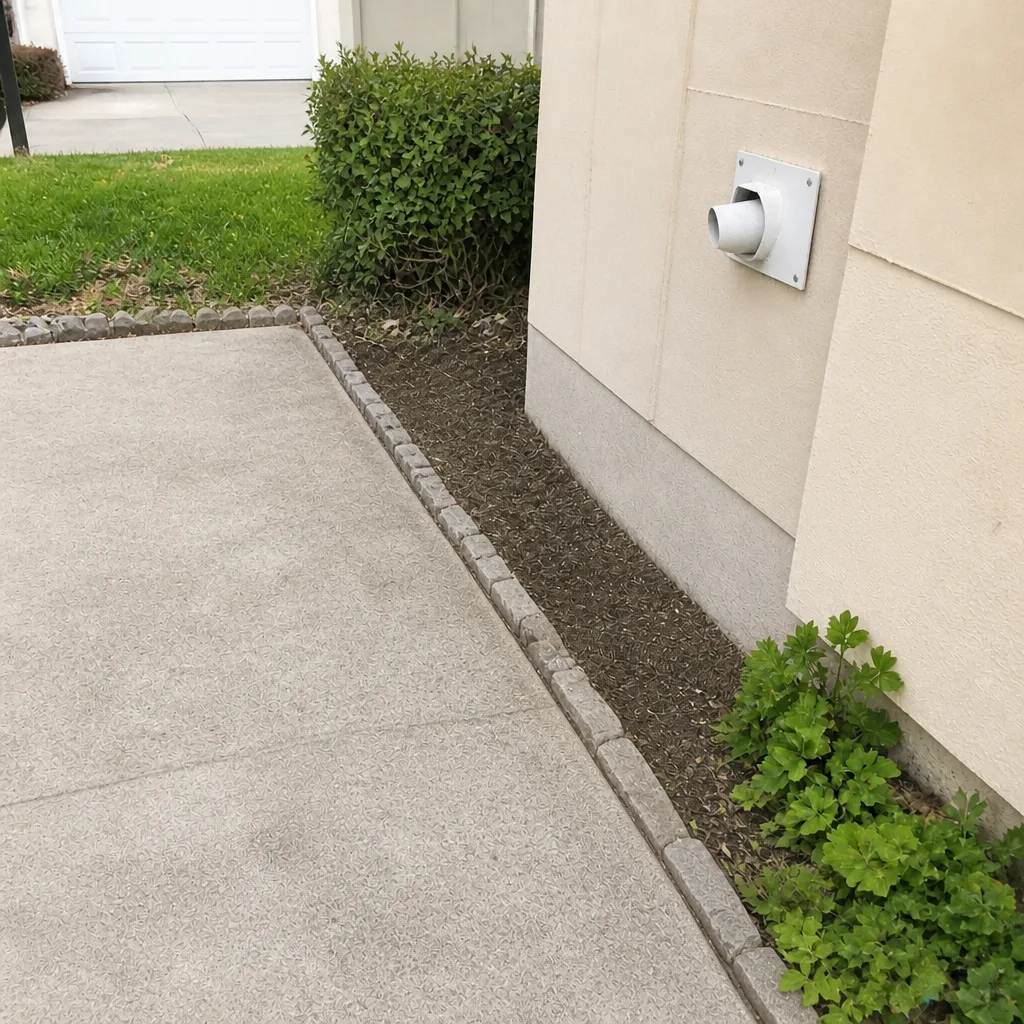 After
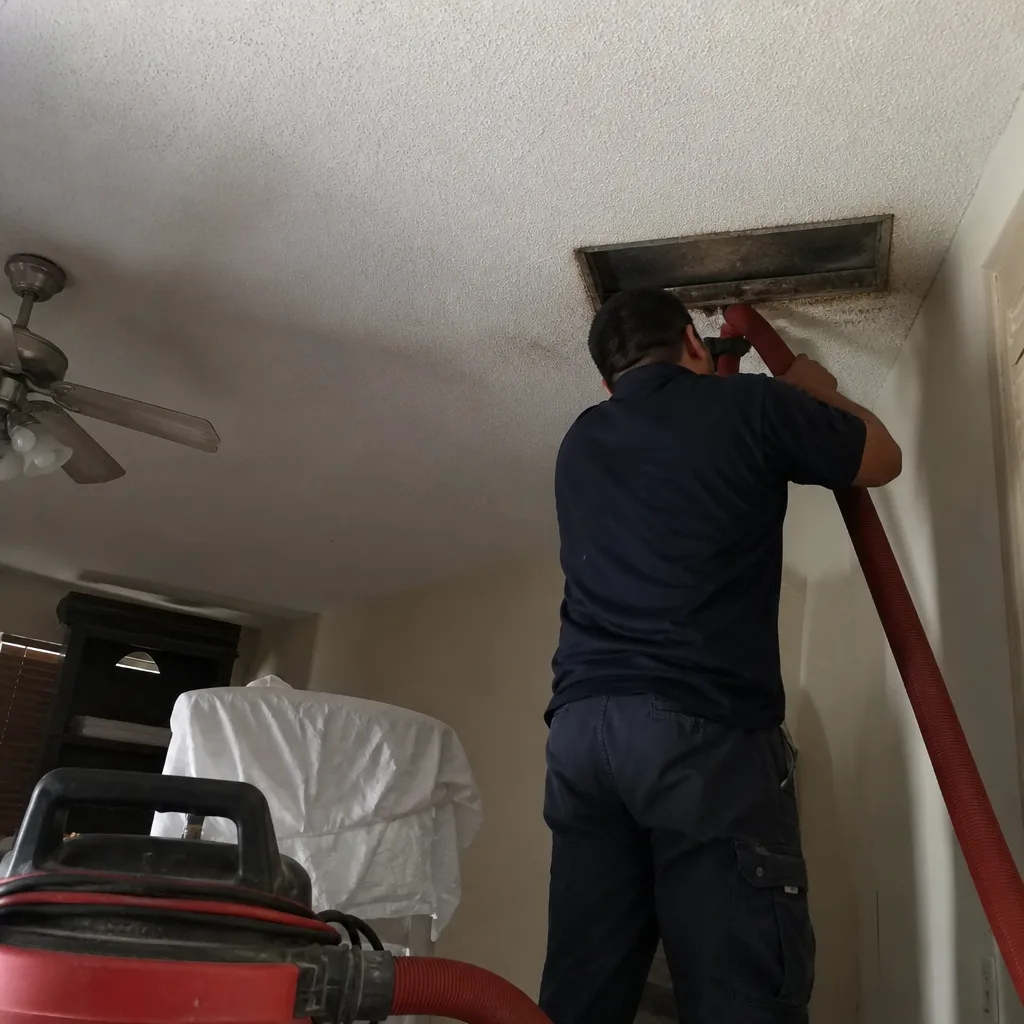 Before
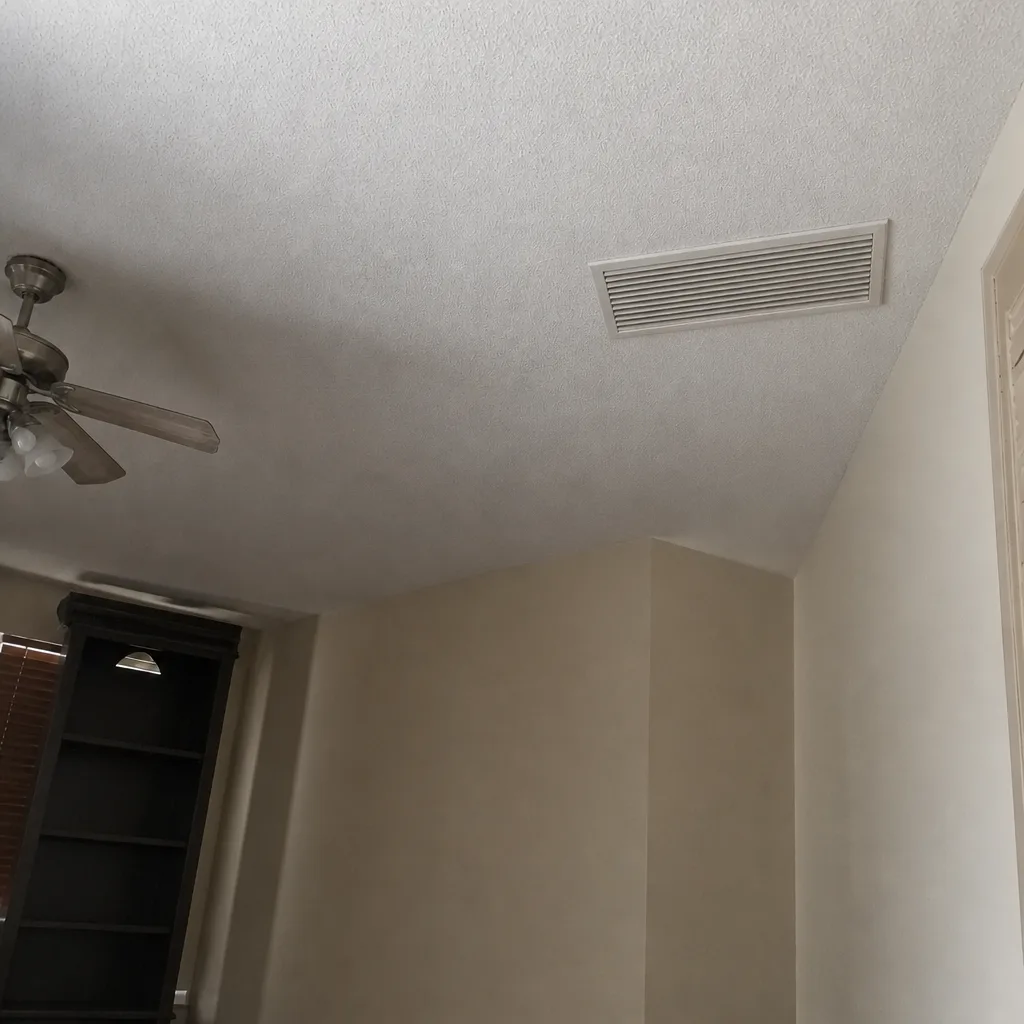 After
When to Call a Professional
Some signs point to duct work that needs attention: visible dust blowing from registers right after a filter change, a persistent musty smell in the house that doesn’t clear with cleaning, or an energy bill that’s climbed without a change in use. Poor airflow from one or two rooms suggests a disconnected or crushed run, which is a repair call rather than a cleaning call. A dryer that takes two cycles to dry a load, or a dryer vent flap with lint visible from the outside, is a dryer vent job. Do not attempt to clean a dryer vent run yourself if it’s long or heavily elbowed; the lint layer is a fire hazard and the correct removal method requires professional agitation and collection equipment. Duct Cleaning Miramar offers free estimates in Miramar. Call (877) 583-7369. We answer 24/7. Fast dispatch from 7am to 7pm, Sunday through Friday.
Frequently Asked Questions
There isn’t one “best” brand, but there is a best method: contact cleaning plus HEPA negative pressure. Rotobrush rotary contact cleaners paired with Nikro negative-air extraction are the professional standard, and Abatement Technologies containment equipment is used on remediation-grade jobs. The method matters more than the logo. Ask for a specific model and check its CFM rating.
Lower quotes usually reflect cheaper equipment: pressure-only cleaning without contact agitation or HEPA collection. The work takes less time and uses less equipment, so it costs less. It also leaves bonded debris in place. If you’re comparing bids, ask every contractor the same equipment questions and see who can answer with specifics.
Ask for before-and-after photos of the inside of the ducts, and ask which runs were cleaned. A proper job touches the trunk lines and every branch. If the contractor can’t show you photos or describe which sections were addressed, that’s a gap. Post-job, the ducts should look clean inside and the registers shouldn’t blow dust after the next filter change.
Humidity makes duct dust adhere to the walls instead of staying loose. Moisture condenses on cool duct surfaces during the cooling season, dust settles into the damp film, and the result is a bonded layer that air pressure can’t remove. Mechanical agitation is the only method that breaks that layer loose. In a dry climate a blow-and-go service can look fine; in Miramar it doesn’t hold.
HEPA-rated vacuums capture the fine particles that standard vacuums exhaust back into the room. During a job, the HEPA collection unit holds the duct system under negative pressure so any debris released by the brush gets pulled toward the vacuum rather than drifting out through open registers. It’s the difference between cleaning the ducts and redistributing what was in them.
Most households should have the dryer vent assessed annually, and more often if the dryer is heavily used or the vent run is long or has multiple elbows. Lint compacts in the vent, and a bonded layer needs professional agitation to remove. If your dryer takes noticeably longer to dry a load, that’s the signal to have it looked at. Call (877) 583-7369 for a free estimate.
The Bottom Line
Reviews and price tell you whether a duct cleaning company is popular. Equipment tells you whether it’s capable. The method that actually removes debris from a Miramar home’s ducts is contact cleaning plus negative pressure: rotary agitation to break bonded material off the walls, paired with HEPA-rated extraction to capture it. Ask for specific model numbers, verify CFM ratings yourself, cross-reference against NADCA’s source-removal framework, and treat vague equipment answers as a warning sign. When you’re ready to compare a quote, Duct Cleaning Miramar works on the whole air pathway: ducts, vents, filtration, and repair. Call (877) 583-7369 for a free estimate. We answer 24/7. Fast dispatch from 7am to 7pm, Sunday through Friday.
For more on our service area and what we cover in Miramar, or an overview of everything we do at Duct Cleaning Miramar, those pages cover it. Our technicians have up to 13 years of experience, and a single crew handles cleaning, vent work, and repair without subcontracting or referrals.
Written by the team at Duct Cleaning Miramar.