
Last updated November 15, 2026
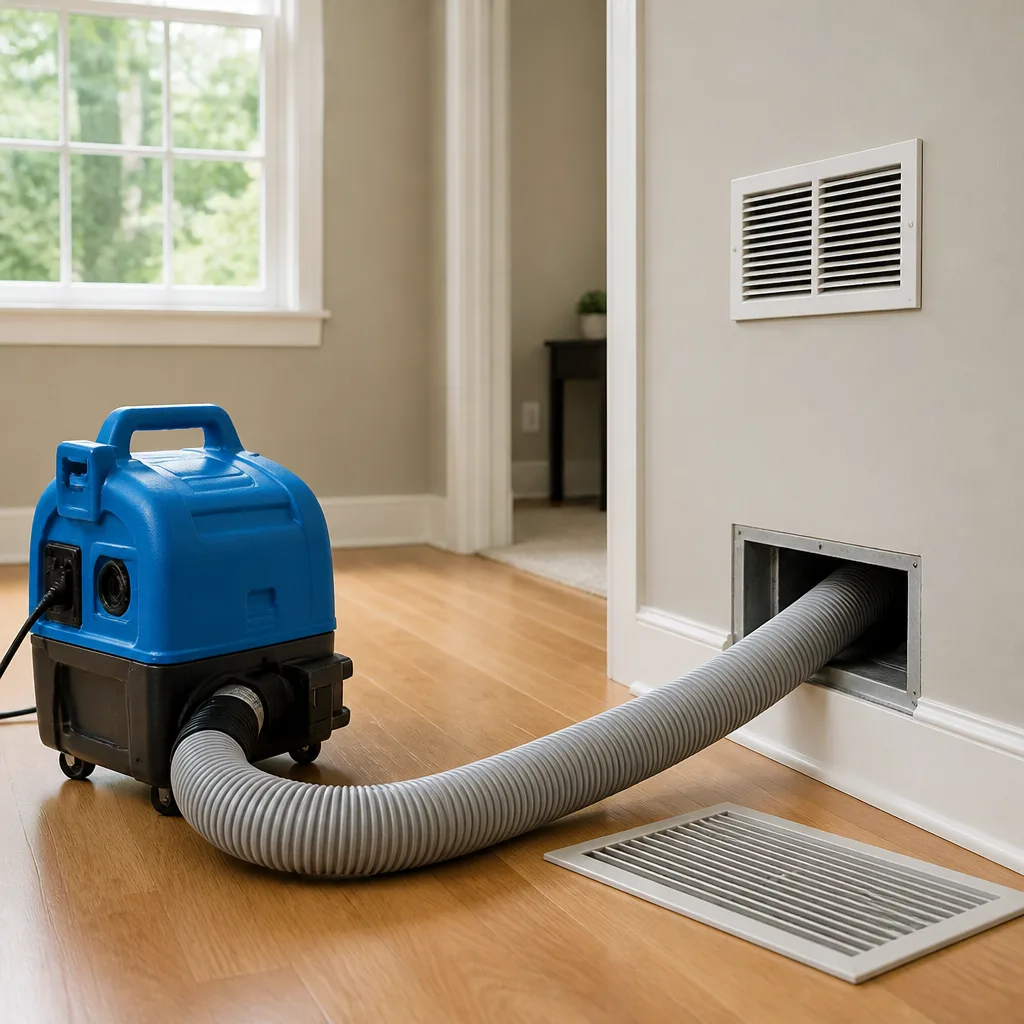 Whole-home duct cleaning
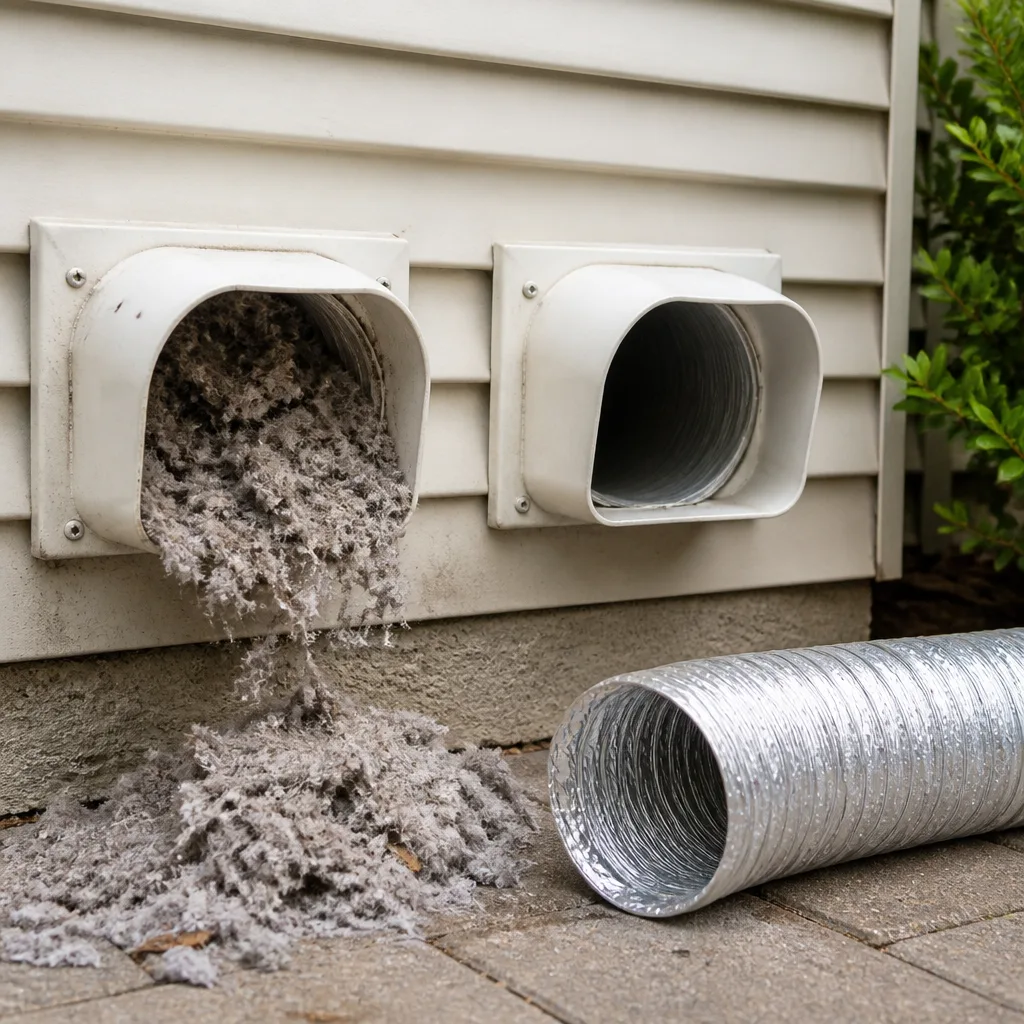 Dryer vent cleaning
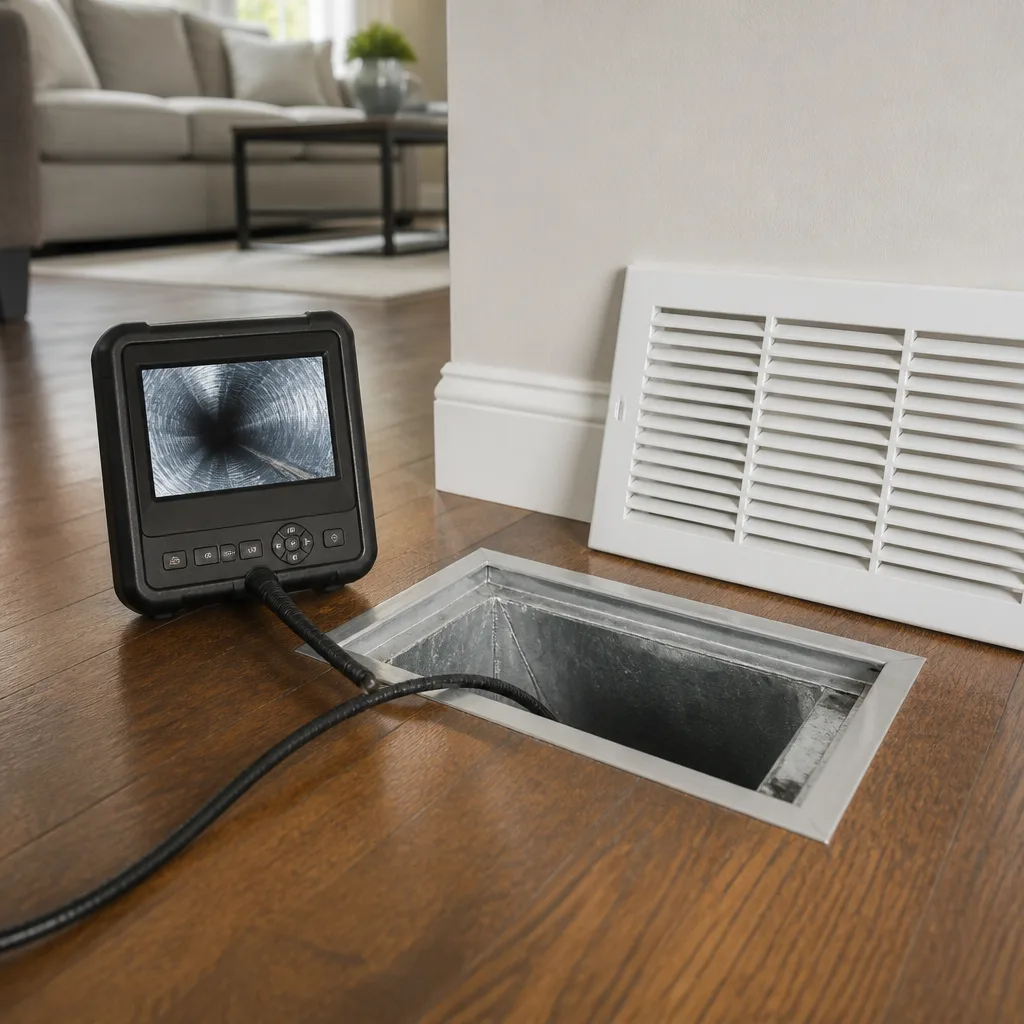 Camera inspection
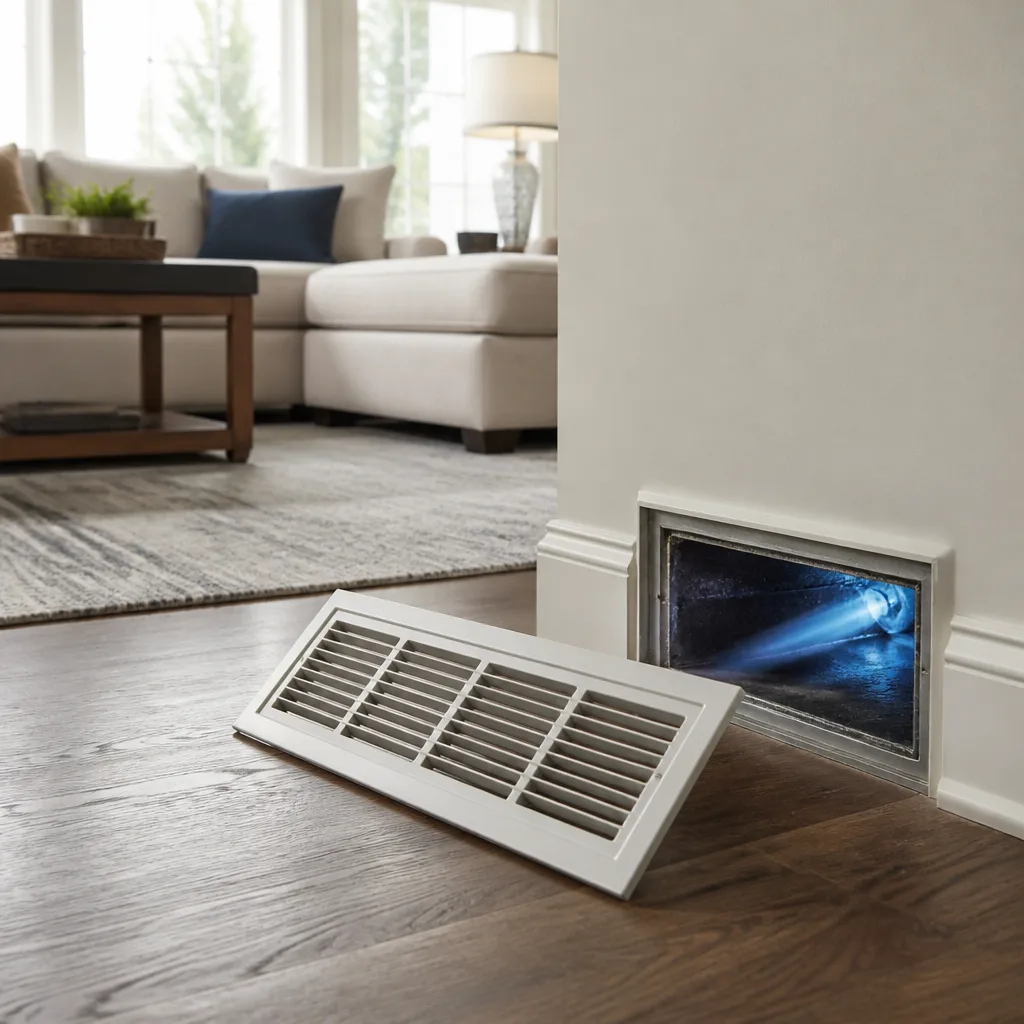 Sanitizing & deodorizing
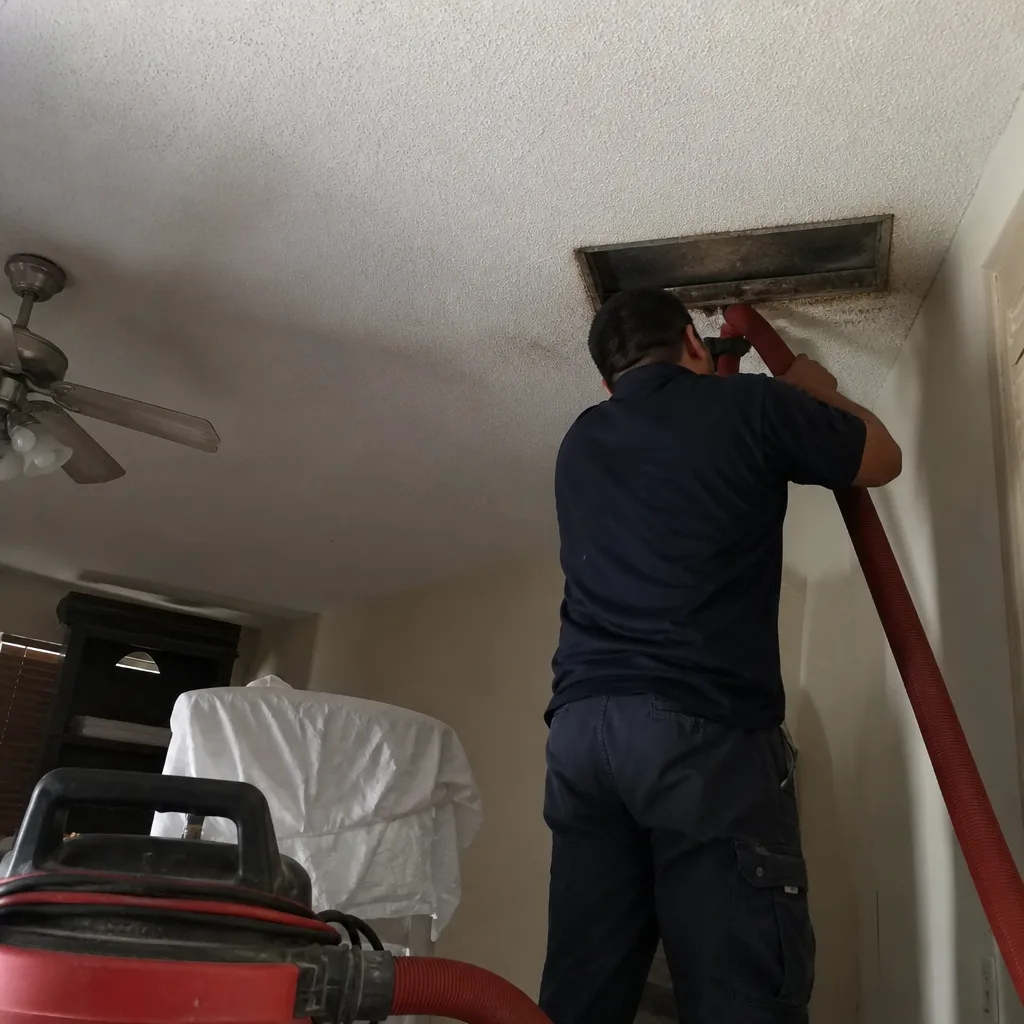
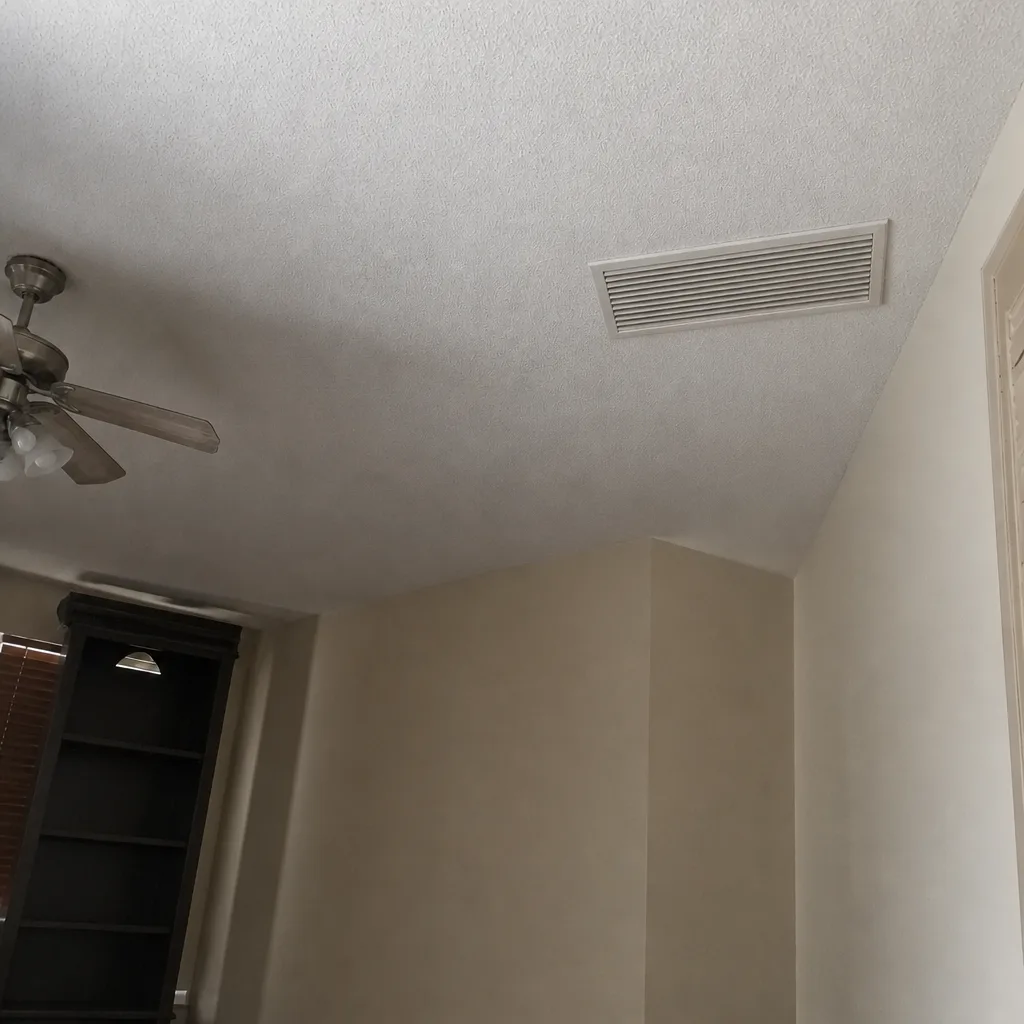
Whole-system duct and dryer vent check with before-and-after photos - you see exactly what came out of your vents
That "$99 whole-house special" is a bait ad - the real number appears once they are in your hallway, or the "clean" is a shop-vac at the register. We photograph the inside of your ducts before and after instead.
How to Hire an Air Duct Cleaning Contractor in Miramar: A Step-by-Step Guide
A $49 duct cleaning coupon in Miramar usually signals one of two things: a bait-and-switch upsell operation, or a truck-mounted blower that loosens debris and pushes it back through your system instead of pulling it out. Neither is a bargain. The low number exists to get a technician inside your door, where a “free inspection” becomes a sales pitch for add-ons you never asked for, or a quick blast of air that does nothing measurable for your air quality. This guide walks you through the exact screening process we’d use ourselves if we were hiring a duct cleaner in Miramar: what equipment questions to ask, how to verify a license properly, why quote structure tells you more than the quote itself, and where the red flags hide. By the end, you’ll know how to separate a methodical contractor from a coupon.
Quick Answer
To hire an air duct cleaning contractor in Miramar, verify three things before booking: that the company holds a valid Florida license you can confirm in the state’s official lookup, that they use a two-stage cleaning method (rotary brush agitation plus negative-pressure HEPA extraction, not just a blower), and that they quote a flat price per whole system after a physical walkthrough rather than a per-vent rate over the phone. Ask specifically which equipment brands they use and how containment is handled during the job. A contractor who can’t answer those questions clearly is telling you something.
Styles & brands we work with
- Whole-home duct cleaning
- Dryer vent cleaning
- Camera inspection
- Sanitizing & deodorizing
Table of Contents
- Why the Miramar Duct Cleaning Market Rewards Vetting
- Equipment Questions That Reveal a Contractor’s Method
- How to Verify NADCA Membership (and What It Doesn’t Guarantee)
- How to Read a Quote: Per-Vent Pricing vs. Whole-System Pricing
- What a Legitimate Pre-Job Walkthrough Looks Like
- How to Verify a Florida Contractor License in Broward County
- Air Duct Repair, Insulation, and the Gaps Competitors Leave
- The Dryer Vent Question Most Homeowners Forget to Ask
Why the Miramar Duct Cleaning Market Rewards Vetting
Miramar spreads across a wide stretch of Broward County, and its housing stock reflects that: newer construction in the western neighborhoods alongside older homes closer to the eastern edge. What those homes share is a climate that works against ductwork year-round. South Florida’s humidity runs high most of the year, and air conditioning systems here run long, hard cycles compared with homes in drier parts of the country. Long runtimes mean more air pushed through the same ducts, and more opportunities for dust, pollen, and moisture to accumulate on interior surfaces.
That combination creates a specific problem. Wet debris clings. Once it settles inside a duct and gets damp, a simple blast of air doesn’t dislodge it. It either stays put or breaks loose in chunks that land somewhere else in the system. This is the core argument for contact cleaning: something physical has to touch the interior surface before the debris can be extracted.
Meanwhile, the market has filled with operators who know homeowners don’t enjoy thinking about ductwork and will take the cheapest advertised number to make the task go away. The result is a market where the quote that looks best on a search results page is often the one least likely to actually clean anything. Vetting a contractor in Miramar isn’t paranoia. It’s calibration. A few pointed questions separate the operators running professional equipment from the ones running a coupon funnel.
We work on the whole air pathway, not just the visible vents, and we’ve seen what a skipped job looks like from the inside. That experience shapes the checklist below. Use it as a filter before anyone rings your doorbell.
Equipment Questions That Reveal a Contractor’s Method
The single most revealing question you can ask a duct cleaning contractor is this: what equipment do you use, and what does each piece do? A qualified contractor answers immediately and specifically. A coupon-driven operator gets vague, deflects, or talks about “our truck.”
Here’s what you’re listening for. Duct cleaning done properly is a two-stage process: agitation and extraction. Agitation means something physically contacting the interior duct surface to loosen the debris bonded to it. Extraction means negative pressure pulling that loosened material out of the system and into a HEPA-rated vacuum. Skip the agitation and the debris stays attached. Skip the extraction and you’ve just redistributed it into the rooms you breathe in.
Questions to ask, in order
- “Do you use a rotary brush or contact cleaning system?” Rotary contact systems, like the Rotobrush line used by professional duct cleaning firms, physically scrub the duct interior. If the answer is “we vacuum from the vents,” that’s a surface clean, not a duct clean.
- “What vacuum system do you use for extraction, and is it HEPA-rated?” Negative-pressure extraction with HEPA filtration is the difference between removing debris and recirculating it. Nikro negative-air systems are one example of professional-grade extraction equipment; ask for the brand name, not a general description.
- “How do you contain the work area?” A competent crew uses containment and filtration barriers to protect the rest of your home during service. Remediation-grade equipment like Abatement Technologies containment systems shows a contractor treats a duct job with the same rigor as a cleanup job.
- “Do you inspect the ducts before cleaning?” A camera inspection or physical look inside the system before starting tells you whether there’s damage, microbial growth, or disconnected sections that need addressing.
- “Do you clean the air handler and blower components too, or just the branch lines?” The air handler is where debris recirculates. Cleaning ducts without addressing the components feeding them is a partial job.
Anyone who can answer these questions with specifics and name brands is likely using the equipment they claim. Anyone who can’t is a risk to your home and your money.
How to Verify NADCA Membership (and What It Doesn’t Guarantee)
NADCA, the National Air Duct Cleaners Association, maintains a public directory of member companies and publishes a code of ethics for its members. Membership signals that a company has committed to industry standards and has at least some baseline interest in doing the work correctly. Verifying NADCA membership is a reasonable first filter, and it’s easy: visit NADCA’s website and search the directory by company name or by Broward County.
What NADCA membership actually obligates
- Adherence to a published code of ethics, which includes fair pricing practices and honest representation of services.
- Commitment to following NADCA’s assessment, cleaning, and restoration standards for HVAC systems.
- Agreement not to use deceptive advertising or bait-and-switch pricing tactics.
- Training or access to training for the crew doing the work.
What NADCA membership does NOT guarantee
Membership is voluntary and not a license. It doesn’t verify the equipment a member actually brings to a job, doesn’t guarantee every technician on the crew is trained, and doesn’t create any enforceable legal obligation. Plenty of competent contractors aren’t NADCA members. Plenty of NADCA members are perfectly reputable. Think of it as one data point in a series, not a stamp of approval that ends your vetting.
Combine it with the equipment questions above, the licensing check below, and the quote-structure analysis. A contractor who clears all of those is a safe bet. A contractor who only clears NADCA membership deserves more scrutiny.
How to Read a Quote: Per-Vent Pricing vs. Whole-System Pricing
The structure of a quote tells you more than the number on it. Two contractors can quote the exact same job and the same dollar figure while structuring the pricing in ways that create completely different behavior once they’re in your home. Understanding this is the key skill in hiring a duct cleaning contractor in Miramar.
Per-vent pricing
A per-vent quote prices each vent separately. The initial advertised number might cover a handful of vents, with additional vents priced individually. This structure creates a built-in incentive to find more vents, add more charges, and sometimes inflate the count. It also makes it difficult to predict the total cost before work starts, because “how many vents” becomes negotiable on site. The classic coupon offer – “$99 for 10 vents” – is per-vent pricing in disguise.
Whole-system pricing
A whole-system quote prices the entire duct system as one job: all branch lines, the trunk, the air handler connection, and the return runs. The number is agreed before work begins, after a walkthrough, and doesn’t change based on how many vents the crew counts. This structure aligns the contractor’s interest with yours. They get paid for the job done correctly, not for a count of vents.
What to ask when a quote lands
- “Is this price per vent or for the whole system?” Get the answer in writing.
- “Does this include the air handler, the blower, and the return runs?” Be specific. “Ducts” is not a contract language.
- “What’s the total if the crew finds additional issues?” A legitimate contractor will re-quote after a diagnosis, not stack add-ons.
- “Do you take before-and-after photos?” A contractor whose method actually removes debris has nothing to hide. Photos of the same duct section before and after are the most reliable evidence you’ll get.
One flat price per system, agreed before work starts, is the standard we hold ourselves to. It’s also the standard we’d recommend in Miramar regardless of who does the work.
What a Legitimate Pre-Job Walkthrough Looks Like
Any contractor who quotes a duct cleaning job without physically visiting the home is guessing. Ductwork is not uniform: a home in Miramar built in the 1970s has a different system layout, duct material, and condition from a newer home in a newer neighborhood. An accurate quote requires an inspection. When the walkthrough happens, here’s what to watch for.
Steps in a proper walkthrough
- System identification. The contractor identifies the HVAC system type, age (if available), and configuration: where the air handler is, how the trunk runs, how many branch lines exist.
- Physical inspection of vent openings. Not just the visible return grille, but several supply and return vents across the home. They’re looking at debris accumulation, moisture, pest activity, and visible damage.
- Camera or mirror inspection of the ducts themselves. A look inside the ductwork beyond the vent opening. This shows whether debris is widespread or localized, whether there’s disconnected or damaged duct, and whether the system needs repair before cleaning.
- Air handler inspection. The blower, evaporator coil, and filter housing. If the coil is dirty or the filter is overdue, that affects the cleaning plan.
- Written quote with scope. After the walkthrough, the contractor provides a written quote specifying exactly what will be cleaned, how, and at what flat price.
- Photos offered before and during work. A contractor confident in a proper two-stage cleaning will photograph what they find and what they leave.
If a contractor arrives, glances at a vent, and hands you a number, they can’t quote accurately. If they quote over the phone without visiting, they’re using a template. Neither is a good sign.
We treat the walkthrough as an inspection, not a sales presentation. If we find duct damage that needs addressing, we’ll tell you and quote it separately. That’s why we offer air duct cleaning as a diagnostic, cleaning, and repair process rather than a single service.
How to Verify a Florida Contractor License in Broward County
Duct cleaning itself is not licensed by the state as a standalone trade the way electrical or plumbing work is, which means unlicensed operators have an easier time operating in this space. That makes verification your responsibility. There are two types of Florida licenses relevant to duct cleaning and related work: a general contractor license issued by the state, and a mechanical or HVAC license issued either by the state or by Broward County.
How to check
- Get the license number from the contractor in writing. Not a certificate image. A number you can verify independently.
- Search Florida’s official license lookup at MyFloridaLicense.com. The Department of Business and Professional Regulation maintains a public database. Enter the license number and verify: name matches, status is “Active,” and any specialty classification covers the work being quoted.
- Check the classification. A general contractor license doesn’t necessarily include HVAC duct work. A Certified Mechanical Contractor or Registered Mechanical Contractor license covers HVAC systems and is the more specific and appropriate credential for duct cleaning and air handler work.
- For county-level licenses, check Broward County’s contractor licensing portal. Some mechanical contractors operate under a Broward County license rather than a state license, which is legitimate for work within the county.
- Confirm insurance separately. Ask for a certificate of insurance listing general liability and workers’ compensation. Ask for the carrier’s contact information and verify the policy is current. This is the step most homeowners skip.
If a company can’t produce a license number, can’t point to which classification covers your work, or gives you a certificate image with no number to verify, that’s a hard stop. No price makes an unlicensed contractor worth the risk.
Air Duct Repair, Insulation, and the Gaps Competitors Leave
When a duct cleaning contractor inspects the system and finds damaged ductwork, the question is what happens next. Many operators clean around the damage and leave. Others hand you a business card for a repair guy. Ask the question directly: “If you find duct damage during cleaning, what’s the repair process?” If the answer is a referral or a separate contractor, you’ll be managing two separate jobs and hoping they coordinate.
Duct damage in Miramar homes is common: separated joints at flex duct connections, crushed sections from foot traffic in the attic, torn flex duct, and duct board deterioration from moisture exposure over time. Even a single separation in a supply run can route conditioned air into an attic space instead of the bedroom it’s supposed to cool. That’s a comfort problem first and an energy problem second.
We close the gap by offering air duct repair as a named service. We clean it, and if it’s broken, we fix it in the same visit. The diagnosis, the cleaning, and the repair come from the same crew, which means no handoff and no gap in accountability.
Beyond the ducts themselves, the air pathway extends to the filtration and air-quality systems connected to your HVAC. We work with Honeywell and Aprilaire systems for filtration upgrades: the kind of filtration that makes a difference in a Miramar home where outdoor air quality and pollen are practically year-round concerns. If your system is pulling air through a dirty return with a cheap 1-inch filter, a legitimate contractor will tell you that filtration is part of the problem worth solving.
The Dryer Vent Question Most Homeowners Forget to Ask
The final item in any duct cleaning contractor vetting is whether the same company also handles dryer vent cleaning. Most contractors are not asked and don’t volunteer that information. Ask anyway, because your dryer vent is a fire-safety item, not a housekeeping item.
Lint accumulates in the dryer vent run, especially in the transition duct behind the dryer and the long run to the exterior wall. In Miramar’s climate, that lint can be exposed to humidity-heavy air and forms a dense, flammable mass. When it ignites, the fire starts in a place you’re not looking. A dryer vent cleaning service that uses the same professional agitation and extraction equipment as duct cleaning actually removes the lint rather than pushing a small portion of it further down the vent.
Ask the contractor: “Do you clean dryer vents with the same equipment you use on ducts, or do you use a hand brush?” A hand brush is what a handyman does, and it doesn’t reach the full run. Professional dryer vent cleaning uses rotary tools and extraction on the same standard as duct cleaning. If the answer is hand brush, find another contractor.
Dryer vent cleaning is one of our three core services alongside duct cleaning and repair, and we treat it with the same equipment and process discipline as the rest of the work. If you’re already hiring a contractor to work on your ducts, having the same crew handle the dryer vent in a single visit makes sense.
Common Mistakes to Avoid
- Booking based on the advertised coupon price. A $49 or $99 opening number exists to get someone in the door, not to clean your system. The real price is what shows up on the invoice after the upsells start.
- Accepting a per-vent quote over the phone. A contractor who prices by the vent has no reason to scope the system accurately. They have a reason to find more vents. Ask for whole-system pricing after a walkthrough.
- Skipping the license check. Florida licensing for duct-related work exists; verify the license number on the DBPR website before booking, not after. This takes five minutes and eliminates the most common problem.
- Not asking about equipment brands by name. “Professional equipment” is a phrase anybody can use. Rotobrush, Nikro, and Abatement Technologies are brands you can look up. If the contractor won’t name the equipment, they may not have it.
- Ignoring the air handler entirely. A cleaning that covers the branch lines but leaves the blower and evaporator coil untouched is incomplete. Debris that recirculates through a dirty blower lands right back in the ducts.
- Forgetting the dryer vent. Most homeowners focus on the supply ducts and never think about the dryer run. In a humid climate with high-use dryers, that’s the most fire-relevant part of the whole system.
- Not asking for before-and-after photos. A contractor confident in a real two-stage cleaning will show you what they found and what they removed. If photos aren’t offered, ask. If the answer is no, ask why.
See the difference
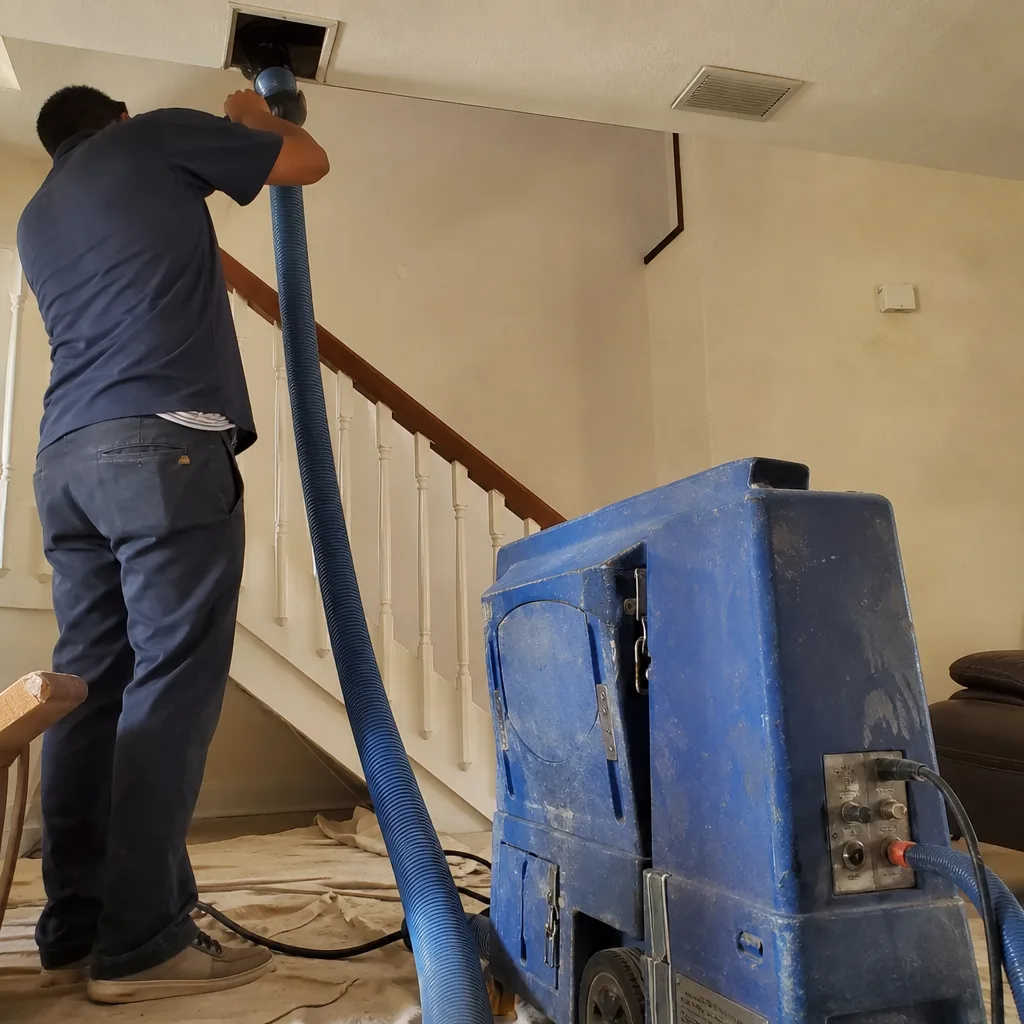 Before
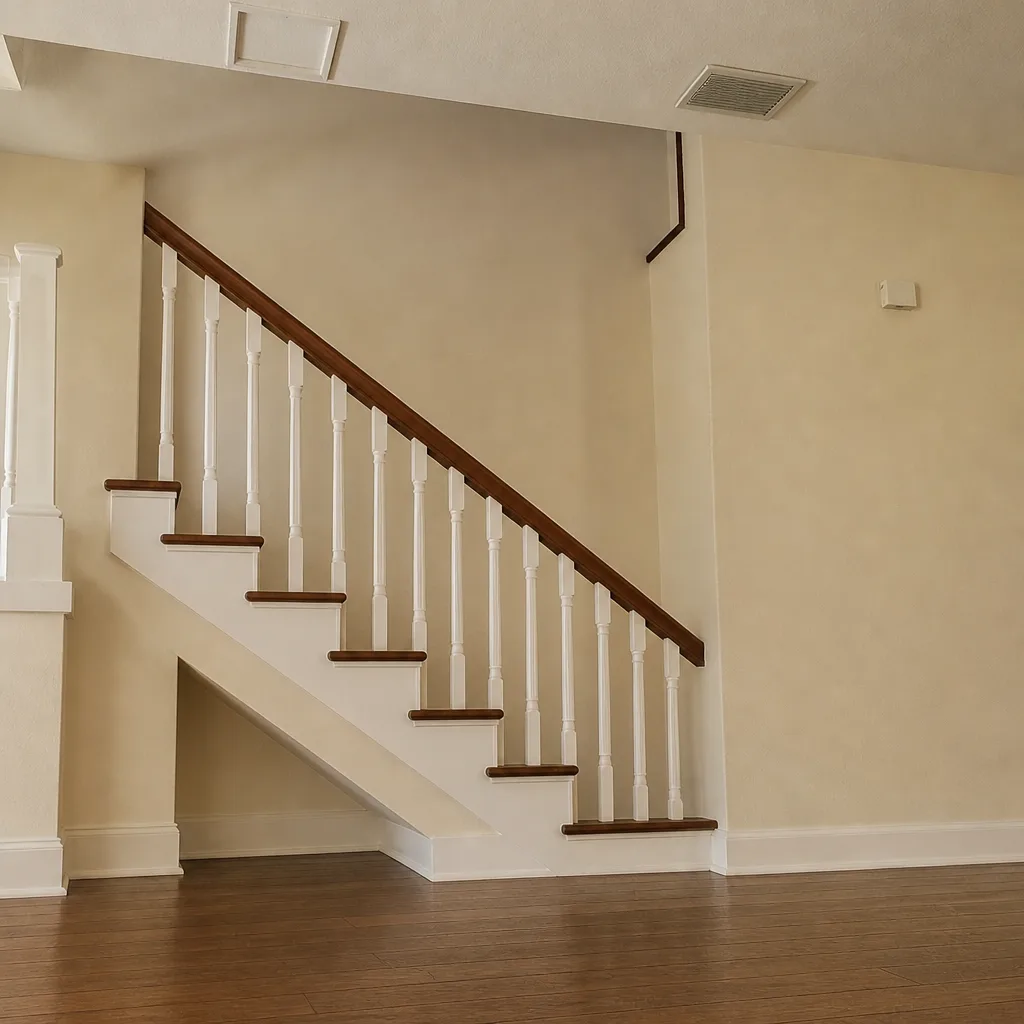 After
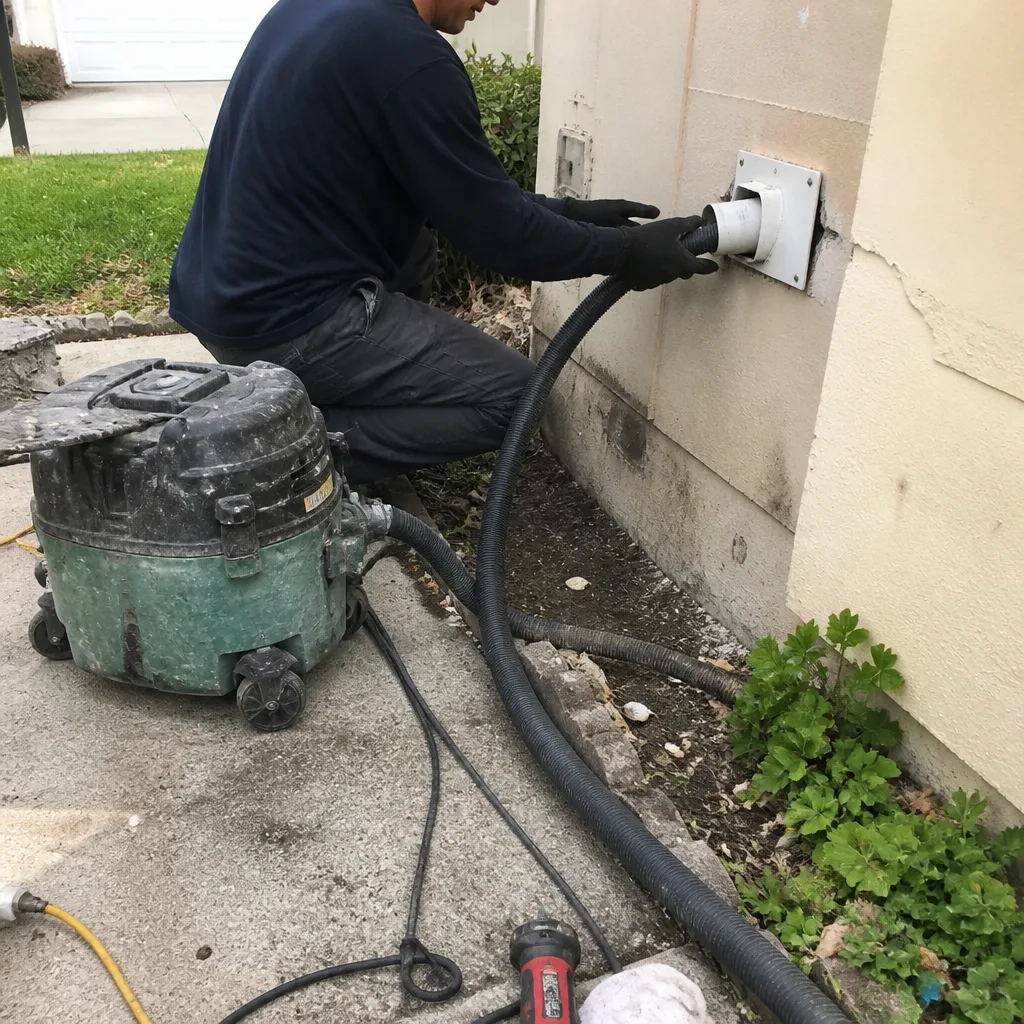 Before
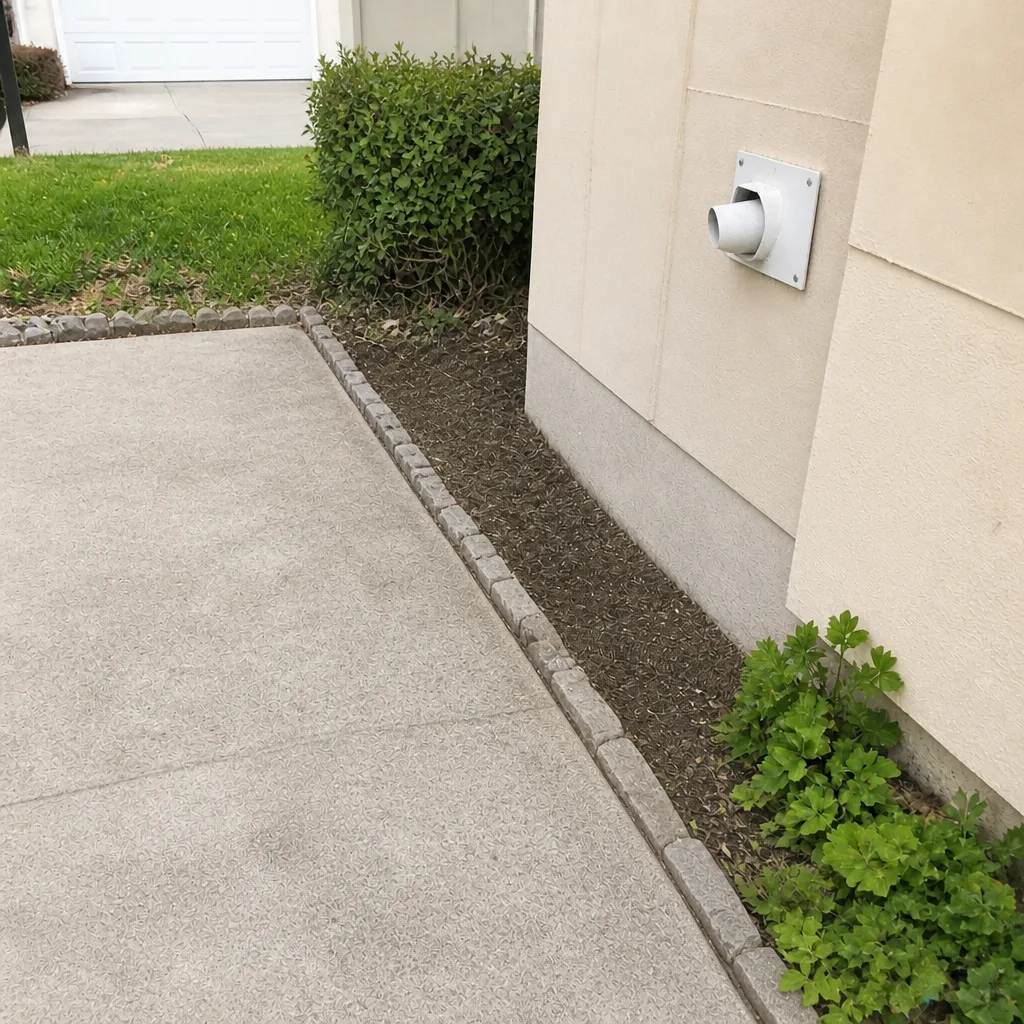 After
 Before
 After
When to Call a Professional
Duct cleaning is on a multi-year cycle, not an annual one. If you’ve never had the system cleaned and you’ve owned the home for several years, it’s worth scheduling. If you’ve recently finished a renovation or remodeling project in Miramar, drywall dust and construction debris almost certainly settled in the ductwork during the work; schedule cleaning after the project, not before. If you’re hearing a rattle or noticing that certain rooms don’t cool the way the rest of the home does, that could be a duct separation or kink that needs an inspection. And if your dryer takes noticeably longer to dry clothes than it used to, the vent run is likely clogged and worth addressing as a fire-safety matter, not a convenience one.
Duct Cleaning Miramar offers free estimates in Miramar. Call (877) 583-7369. We answer 24/7. Fast dispatch from 7am to 7pm, Sunday through Friday.
Frequently Asked Questions
Whole-system air duct cleaning in Miramar generally falls into a range that reflects the number of systems, the size of the home, and the condition of the ductwork, with the written estimate after a walkthrough setting the final price. There is no honest per-vent rate to quote; a contractor pricing by the vent is pricing by the upsell. Call (877) 583-7369 for an exact quote. Estimates are free.
Cheap quotes reflect one of two things: bait-and-switch pricing where the advertised number is a teaser and the real total shows up on site, or equipment that doesn’t actually remove debris. A truck-mounted blower is inexpensive to run. Rotary contact cleaning plus HEPA extraction requires professional tooling and a trained crew, and that cost shows up in the price. The lower number reflects what’s missing from the job, not a better deal.
Ask for before-and-after photos of the duct interiors, and specifically ask that they show the same sections before and after the cleaning. A contractor running a proper two-stage process should have nothing to hide, and photos take seconds to capture. If photos aren’t offered, ask. If the answer is “we don’t do that,” that tells you something about the method too.
Most homes need duct cleaning every several years, not every year, unless there’s a specific reason: recent renovation, visible debris at the vents, a pest issue, or moisture intrusion into the system. Homes with pets, allergy-sensitive occupants, or a recent move-in may benefit from scheduling sooner. Ask a contractor to inspect and recommend based on what they actually find, not on a recurring-service pitch.
Cleaning itself typically doesn’t require a permit, but repair work, duct replacement, or modifications to the HVAC system may. Ask your contractor to clarify for the specific scope of work, and if there’s any doubt, verify with the City of Miramar building department before work starts. A contractor who doesn’t know the answer to this question about their own trade is a red flag.
Duct cleaning addresses the supply and return system that moves conditioned air through your home. Dryer vent cleaning addresses the separate exhaust run from the dryer to the exterior. They’re different systems with different fire and air-quality risks. We treat both as safety-relevant services and handle them with the same professional equipment, including the same rotary agitation and HEPA extraction tools. Scheduling both together saves a visit.
The Bottom Line
The Miramar duct cleaning market rewards homeowners who ask hard questions before booking. The screening process in this guide comes down to four things: verify the license through the Florida DBPR lookup or Broward County’s contractor portal, ask for equipment brands by name and understand the difference between rotary contact cleaning and a blower, insist on whole-system pricing after a physical walkthrough rather than per-vent pricing over the phone, and confirm the contractor can handle repair work when they find a problem rather than leaving you to manage a second trade. Add the dryer vent to the conversation, because a fire-safety item deserves the same consideration as your air quality. Get the questions down before anyone rings the doorbell. That’s the whole game.
Hiring With Confidence in Miramar
We built our process around the vetting concerns this guide describes. Professional-grade Rotobrush contact cleaning and Nikro negative-air extraction are the standard we work to, and Abatement Technologies containment equipment protects your home while we’re inside it. We quote one flat price per system after a walkthrough, agreed before work begins, with before-and-after photos of your own ducts as part of the job. Our technicians have up to 13 years of experience, and we handle air duct cleaning, dryer vent cleaning, and air duct repair as one connected specialty rather than three separate trades. If a system needs Honeywell or Aprilaire filtration attention, we work on that too.
If you’re ready to schedule a free estimate, call (877) 583-7369. We answer 24/7. Fast dispatch from 7am to 7pm, Sunday through Friday, and we’re closed Saturday. Whether you’re comparing contractors in a newer Miramar neighborhood or in an older part of the city, we’ll walk you through exactly what a proper job looks like for your home. If you’d like to learn more about how we approach the work, visit our home page at Duct Cleaning Miramar for the full picture of what we do.
Written by the team at Duct Cleaning Miramar.