
Last updated November 15, 2026
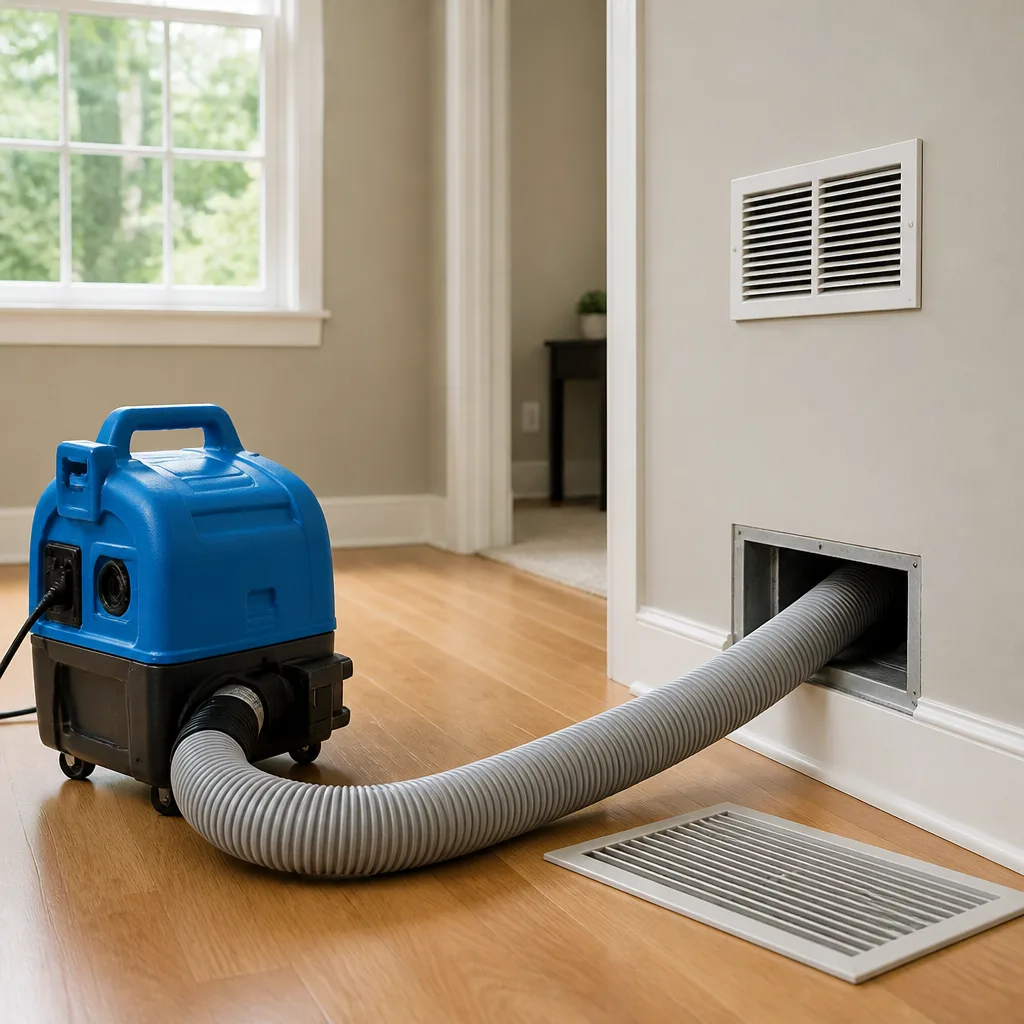 Whole-home duct cleaning
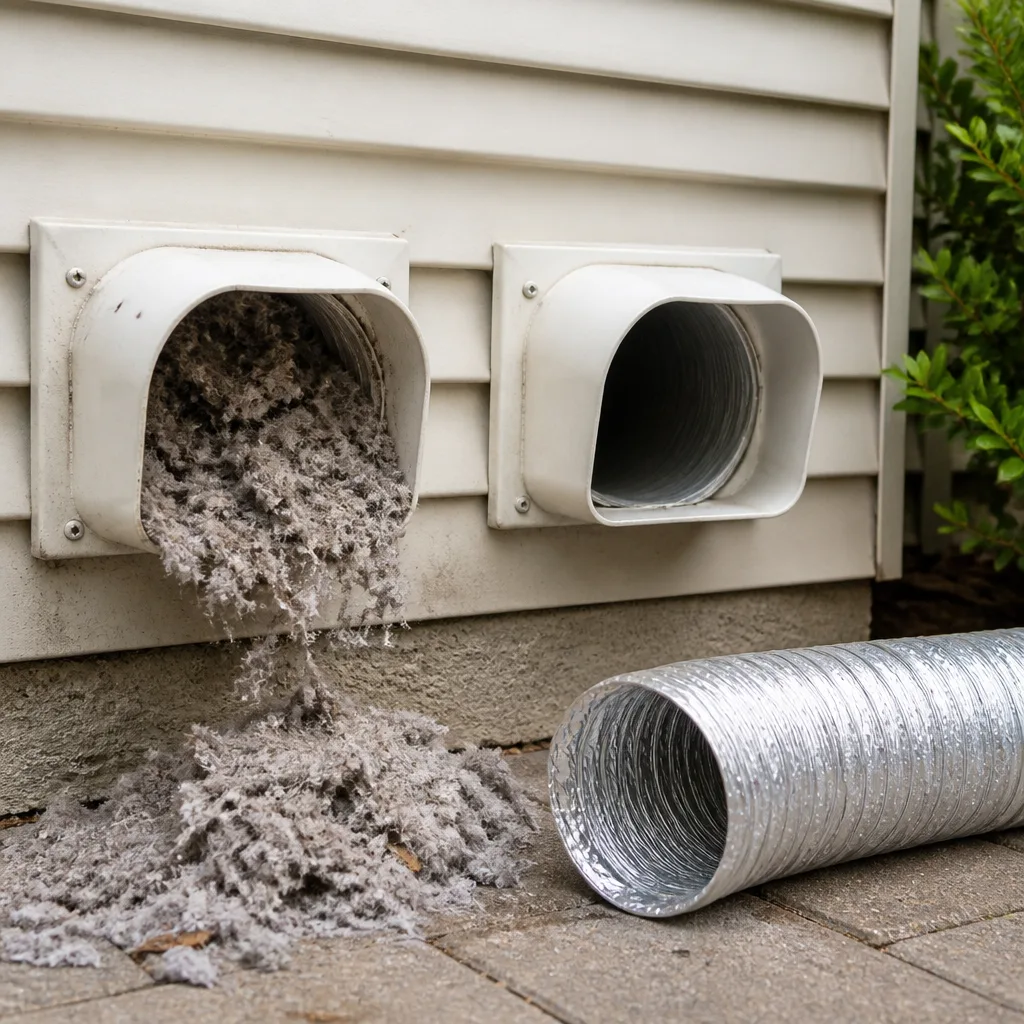 Dryer vent cleaning
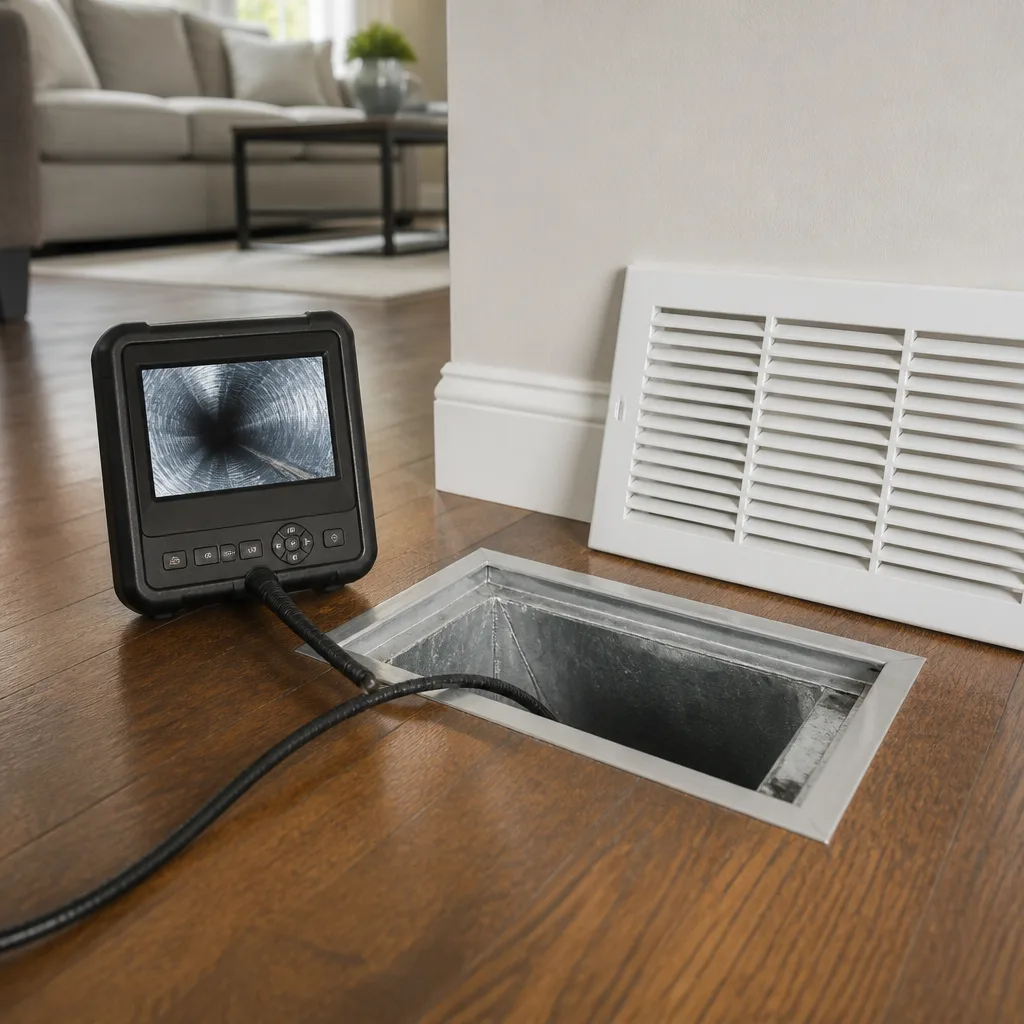 Camera inspection
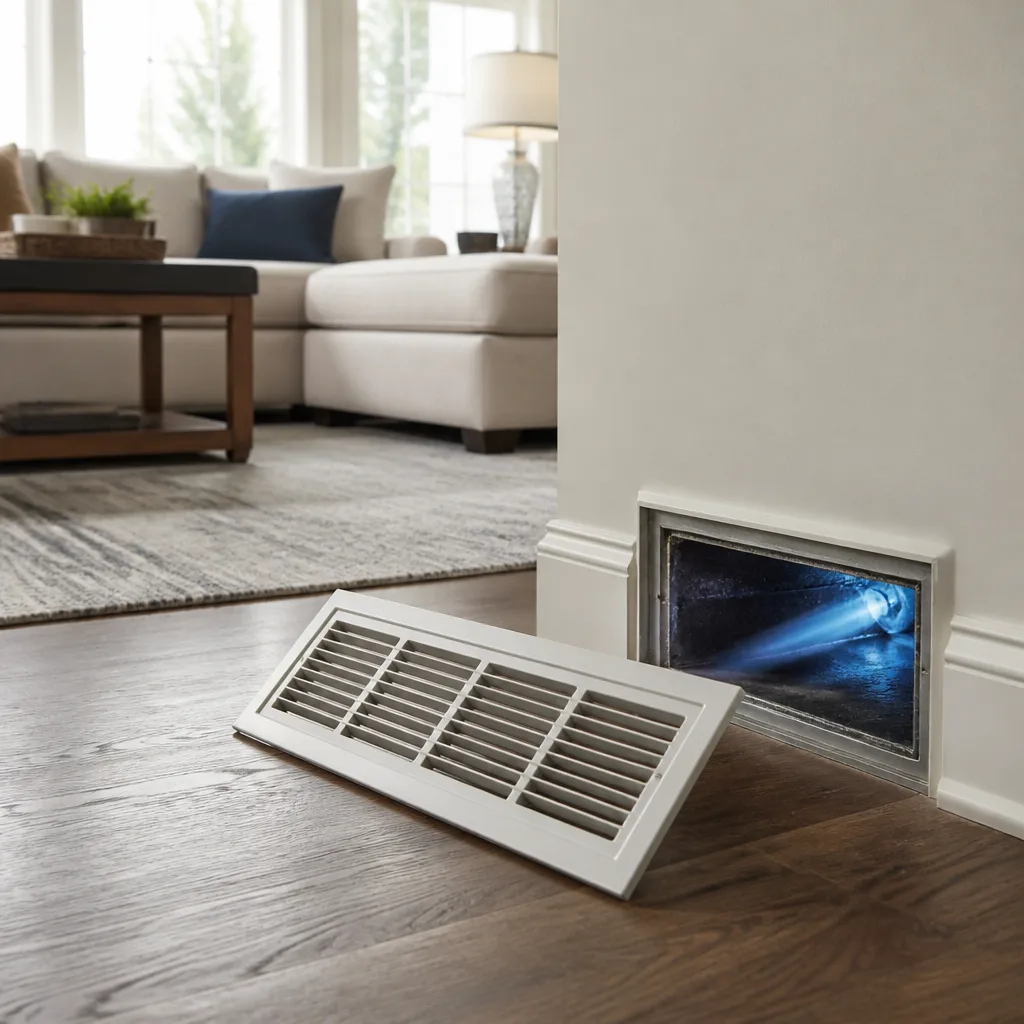 Sanitizing & deodorizing
Whole-system duct and dryer vent check with before-and-after photos - you see exactly what came out of your vents
That "$99 whole-house special" is a bait ad - the real number appears once they are in your hallway, or the "clean" is a shop-vac at the register. We photograph the inside of your ducts before and after instead.
The Complete Guide to Air Duct Cleaning in Miramar
The EPA does not recommend routine duct cleaning on a fixed schedule, yet most duct cleaning marketing is built around exactly that. Here’s what that means for a homeowner in Miramar: the question isn’t whether your ducts are “due,” it’s whether conditions inside your home have created a problem worth addressing. This guide walks through the actual criteria for cleaning, what a professional job looks like from start to finish, how South Florida’s humidity changes the calculation, and how you can verify the work was done and done correctly.
Quick Answer
Air duct cleaning is warranted in Miramar when there is visible debris, mold or microbial growth inside the ductwork, a recent renovation or storm intrusion, pest activity, or a household where someone has respiratory sensitivity and symptoms track with the HVAC cycle. Otherwise, the EPA’s position is that ducts should be cleaned on an as-needed basis, not on a calendar. A proper clean is source removal done with contact agitation and negative pressure, verified against NADCA’s ACR standard, and documented with before-and-after photos.
Styles & brands we work with
- Whole-home duct cleaning
- Dryer vent cleaning
- Camera inspection
- Sanitizing & deodorizing
Table of Contents
- Does Your Miramar Home Actually Need Duct Cleaning?
- How South Florida Humidity Changes the Duct Cleaning Timeline
- Source Removal vs. Blow-and-Go: What the Difference Leaves Behind
- What the NADCA ACR Standard Actually Requires
- Household Conditions in Miramar That Accelerate the Need
- What a Proper Job Looks Like, Step by Step
- What a Post-Cleaning Report Should Document
- Repair and Dryer Vents: The Two Sides of Air Quality Nobody Talks About
Does Your Miramar Home Actually Need Duct Cleaning?
Most Miramar homeowners fall into one of two camps: they haven’t cleaned their ducts in a decade and don’t know if it matters, or they’ve been talked into a “mandatory annual clean” by a contractor who knocked on the door. The honest answer sits between those. The EPA’s guidance is clear that ducts should be cleaned when there is a documented reason, not when a timer goes off. That reason is usually visible if you know where to look.
The triggers that actually justify cleaning are specific:
- Visible mold or microbial growth on duct surfaces, insulation, or the air handler cabinet. In Miramar this is the single biggest reason to act.
- Vermin or insect activity inside the system – droppings, nesting material, carcasses, or evidence of roaches and rodents using the ducts as a highway.
- Substantial debris accumulation from renovation dust, drywall work, or a post-storm intrusion that sent water or debris into the system.
- Persistent particulate blowing out of registers when the system cycles on, especially right after startup.
- Respiratory symptoms that track with HVAC operation for someone in the household, and a physician-identified concern tied to indoor air.
Notice what’s missing from that list: “it’s been a year.” Or “the ducts look dusty from the outside.” Or “our contractor called.” If none of the above apply, the right answer might be that you don’t need a full clean yet, and a company that tells you so is telling you something. If you’re ready to compare what services address these triggers, our air duct cleaning page covers process and equipment in detail.
The “we recommend every year” trap
Annual duct cleaning sold as routine maintenance is the single most common upsell trap in this trade. It sounds responsible. It isn’t backed by the EPA, NADCA, or any credible body. In a dry climate, ducts legitimately may not need cleaning for ten years or more. In Miramar, humidity shifts that calculus – not to “every year,” but to “sooner than a dry climate would demand in the same house.” That’s a real distinction, and it’s the subject of the next section.
How South Florida Humidity Changes the Duct Cleaning Timeline
Humidity in South Florida changes the duct-cleaning math in ways a homeowner moving from Arizona or Colorado has probably never considered. Duct interiors in Miramar aren’t just collecting dust – they’re cycling through warm, moist air, then entering long idle periods when the AC isn’t running and the system cools down, then cycling back up. Every one of those cycles can push the interior relative humidity near the condensation point on a surface that has collected dust and organic matter. That’s the recipe for mold and microbial growth, and it’s why “clean when visibly dirty” is a harder call here than in a dry climate.
The practical timeline implications:
- Mold growth is more likely inside ducts, air handlers, and coil cabinets in Miramar homes because the system spends more of its life in the damp zone than in a dry climate.
- Dust accumulates faster because the AC pulls outdoor air into the return, and Miramar’s outdoor air carries humidity, fine pollen, and mold spores.
- Air handlers and drain pans are where the first mold problem usually appears, well before you’d notice anything wrong from the ducts alone.
- Water intrusion after a heavy rain event or a roof issue is more likely here and, if debris enters the ducts, the window before growth takes hold is short.
What that means for you: don’t wait for visible black spots inside a register. Look at the air handler cabinet, the plenum, and the inside of the coil enclosure at least once a year. Check the condensate drain. If you see signs of standing water, microbial growth, or a musty smell that pulses on with the air, that’s a Miramar-specific reason to act – not a generic marketing pitch. This is one reason we design our process around moisture-aware handling – our duct cleaning approach leans on the two-stage method detailed further down for exactly this reason.
What to check on your own system
- Open the air handler closet and look for water stains, damp insulation, or a musty smell.
- Check the condensate drain pan for standing water or slime.
- Shine a flashlight into a return register and look for dust build-up on the blower and the first few feet of duct.
- Watch for dust trails at supply registers after the system cycles on.
- Note whether anyone in the home has symptoms that follow the HVAC cycle rather than the seasons.
Source Removal vs. Blow-and-Go: What the Difference Leaves Behind
Source removal means physically contacting the buildup inside the ducts, agitating it into the air stream, and capturing that debris with negative-pressure extraction before it can spread into your living space. Blow-and-go means pointing a blower at the ducts and hoping the debris exits somewhere. Both cost money. Only one actually cleans the system.
Here’s the difference in concrete terms:
- Source removal, done with contact equipment. A rotary brush runs the length of the duct, scrubbing debris off the walls. Simultaneously, a HEPA-filtered negative-air machine pulls the loosened material into a containment system. You get duct walls that are physically scrubbed, and you get all that debris out of your house. Our crews use Rotobrush rotary contact-cleaning systems paired with Nikro negative-air extraction because that’s what the method requires – brush plus capture, working at the same time.
- Blow-and-go, using compressed air only. The system is pressurized, debris is launched into the air stream, and it either exits through the supply registers into your rooms or just redistributes deeper into the ductwork. Walls come out as dirty as they went in. You may find dust on the walls afterward, and you’ll get a “before-and-after” that doesn’t show what happened inside the ducts.
Blow-and-go is faster, cheaper, and produces a clean-looking register face without addressing the problem. That’s why it dominates the market. If you want to understand the deeper mechanical and process details, our full air duct cleaning write-up walks through the equipment, set-up, and containment.
The negative pressure piece
Contact cleaning without negative pressure is like sweeping a floor with a fan pointed at it. Rotobrush alone is not enough. The Nikro negative-air unit is what holds the debris in containment and keeps it out of the room you’re standing in. The brand matters less than the mechanical role: a HEPA-rated vacuum strong enough to move meaningful air volume through the duct run you’re cleaning. If a contractor shows up with only a shop vac and a brush on a flexible pole, that’s the whole conversation.
What the NADCA ACR Standard Actually Requires
NADCA’s ACR standard (Assessment, Cleaning, and Restoration of HVAC Systems) is the industry’s reference document for what a professional duct cleaning should actually involve. It covers assessment, source removal, containment, cleaning verification, and documentation. Knowing the basic requirements lets you ask a contractor five questions that separate serious operations from blow-and-go shops.
Questions that verify ACR compliance
- How will you assess the system before cleaning? A serious answer names the components: ducts, air handler, plenum, coil, registers, and it names a method (visual, borescope, or both).
- What containment will you set up? A proper answer describes negative pressure, HEPA filtration, and how they’ll keep debris out of your living space. Our crews use Abatement Technologies containment equipment for this – a step that’s standard in remediation work and rare in residential duct cleaning.
- How do you verify the cleaning? ACR expects verification of cleaning by visual inspection or comparison. “You’ll feel the difference” isn’t verification.
- What does the post-cleaning report contain? Photos, component list, method used, and observations. Not a paper invoice with a checkmark.
- Will you seal and re-insulate access points and address damaged duct runs? Patching access holes, resealing joints, and fixing damaged flex duct isn’t optional cleanup – it’s part of leaving the system better than you found it.
You’ll notice “does your equipment have an elaborate brand name” isn’t on that list. Equipment matters, but any contractor can claim equipment. What separates real operations is whether their process maps to ACR and whether their documentation supports the claim.
Why this standard should matter to a Miramar homeowner
The ACR standard’s emphasis on source removal and documentation is a direct check on the trade’s bait-and-switch reputation. When you know the standard, you can ask for documentation that verifies it was followed, and you can compare bids on method rather than on price alone. That’s the whole point – you’re not looking for the cheapest crew, you’re looking for the crew that can show you what they did.
Household Conditions in Miramar That Accelerate the Need
The general rules for when duct cleaning is warranted apply everywhere, but some household conditions in Miramar legitimately move up the need timeline. These aren’t upsells; they’re the specific triggers we hear about from homeowners across Miramar – from Silver Lakes to Monarch Lakes to Sunset Lakes to Riviera – where the housing stock and lifestyle create predictable patterns.
Pets
Multi-pet households in a humid climate cycle significantly more dander, hair, and fine particulates through the return air than pet-free homes. That material sticks to the inside of return ducts and the blower wheel first. If you have two dogs and run the AC nine months of the year, the return side will accumulate visible debris faster than a typical home’s.
Renovation dust
Any drywall, tile, flooring, or cabinet work in a Miramar home sends fine dust through the system unless the returns are sealed off before the work starts. If a kitchen or bathroom renovation ran without return sealing, the fine debris in the ducts is real and worth addressing once the work is finished. It’s a one-and-done clean, not a recurring one.
Post-storm and water intrusion
A roof leak, a wind-driven rain event, or an AC that sat through a slow drain-pan overflow can all introduce moisture into the duct system. Water in a duct with dust in it, in this climate, gives microbial growth a foothold quickly. If you’ve had a water intrusion event and the ducts were involved, treat it as a reason to inspect.
New construction and new-to-you homes
Construction dust from the build, and whatever the previous owner’s household was doing to the system before you moved in, means a clean is a reasonable first-year step for a newly purchased home in Miramar.
Occupant sensitivity
If someone in the household has asthma, allergies, or a respiratory condition and a physician has flagged indoor air as a factor, the case for cleaning is stronger and the case for filtration upgrades alongside it is worth discussing. For context on the local market and where these conditions cluster, our Miramar area page is a useful starting point.
What a Proper Job Looks Like, Step by Step
A proper duct cleaning in Miramar follows a predictable sequence. Here’s what you should see on site, in order, whether you stay for the whole job or check in once at the beginning and once at the end.
Step 1: Assessment
The technician evaluates the system before touching anything. That means visual inspection of the return trunks, supply branches, air handler, plenum, and coil. Any signs of water intrusion, mold, or a compromised duct section are noted. A contractor who skips this step and goes straight for the vacuum is skipping the assessment that ACR requires.
Step 2: Containment setup
Negative pressure is established at the air handler and the system’s registers are sealed. HEPA filtration is running. From this point forward, any debris that gets loosened is going into a containment system, not into your living room. This is the step that separates serious operations from the blow-and-go crowd, and it’s the step you should verify by looking.
Step 3: Source removal
Rotary brush cleaning of each supply and return run, with the brush run through the full length, at both high and low pressure. Registers and grilles are removed, cleaned, and cleaned again off-site or off-system. The blower is cleaned. The plenum is cleaned. The coil cabinet, where accessible, is checked and cleaned appropriately for the coil type.
Step 4: Repair while you’re in there
This is the part almost every duct cleaning contractor skips. During cleaning, damaged flex duct, disconnected joints, torn insulation, or a poorly sealed trunk get found. Most companies note it on a sheet and move on. Our crews address it while they’re on site – Air Duct Repair is a named service, not a referral. We clean it, and if it’s broken, we fix it.
Step 5: Verification
Post-clean visual inspection of the ducts (again, borescope or visual comparison to before). Registers reinstalled and sealed. Containment removed. HVAC returned to service and confirmed cycling correctly.
Step 6: Documentation
The written report comes last, and it should be detailed. See the next section for what that report should include.
What a Post-Cleaning Report Should Document
You’re paying for a service you can’t see the inside of afterward, and this trade has a well-earned reputation for that being a problem. The report is how you solve it. A proper report is your proof of work, and it’s also the thing a future buyer of your home can pull out when the question of maintenance comes up.
Look for all of the following in the report:
- Date and time of service, and the service address.
- System components serviced – return trunks, supply branches, registers, grilles, plenum, air handler, blower, coil (if accessed).
- Method used – contact cleaning with rotary brush equipment, negative-air extraction with HEPA filtration. Not “cleaned” but “how cleaned.”
- Before-and-after photos of the ducts, the air handler, and the registers. Real photos, timestamped, of your system.
- Findings – anything difficult, any damage found, any repair recommended or completed.
- Repairs performed, with photos of the repaired section and a description of what was done.
- Conditions observed – evidence of moisture, mold, pest activity, or debris source (renovation, storm).
- Recommendations for filtration improvements, repair follow-up, or re-check timing. Not a hard sell for annual clean.
If you get a one-page invoice with a checkmark and no photos, the report is not the point. Before-and-after photos of your own system are.
Repair and Dryer Vents: The Two Sides of Air Quality Nobody Talks About
Two parts of the indoor air problem get less attention than they should. Damaged ductwork and dryer vents.
Damaged ductwork
Flex duct tears, disconnected joints at takeoffs, a collapsed run, and poorly sealed boots are all common in Florida housing. Every one of those is a direct path for conditioned air to leak into a crawl, attic, or wall cavity – or for attic air (and everything in it) to leak into your ducts. Cleaning the ducts while leaving a disconnected joint in place means you’ve just cleaned a system that isn’t connected. Air Duct Repair as a named service closes that gap instead of walking away with a note on the invoice. We work on the whole air pathway – clean it, verify it, and repair what’s broken in the same visit.
Dryer vents
A clogged dryer vent is a fire-safety item, not a housekeeping item. Lint accumulations inside the vent run reduce airflow, raise dryer operating temperature, and are a leading contributor to residential house fires. The cleaning tool matters here as much as it does on duct work. Our crews use the same professional equipment on dryer vent runs as they do on duct work, which is not something a handyman with a shop vacuum can replicate. This isn’t an add-on to a duct cleaning; it’s a separate specialty that gets the same rigor. Full process details are on our dryer vent cleaning page.
Filtration systems
If duct cleaning reveals that the filter situation is undersized, poorly sealed, or the wrong MERV for the system, the air quality problem hasn’t been addressed. We stock and service Honeywell and Aprilaire air-quality systems, which means filtration upgrades and media filter replacements are on the same visit as cleaning – not a referral to a separate contractor.
Common Mistakes to Avoid
- Believing “annual cleaning is required.” The EPA doesn’t require it and neither should you. Ask what specifically justifies cleaning, and accept “we recommend it” only when the answer names a condition, not a calendar.
- Comparing bids on price alone. A cheaper bid usually means less containment, fewer components covered, or a blow-and-go method. Ask each contractor to describe their process in the five ACR points above; the bids will stop looking interchangeable.
- Skipping the air handler and coil. Clean ducts feeding a dirty air handler cabinet and coil is a half-job. In Miramar’s humidity, the air handler and drain pan are where microbial growth usually starts.
- Not asking for before-and-after photos of your own system. Stock photos and a clean register face aren’t proof. Ask for timestamped photos of the inside of your ducts and your air handler.
- Cleaning ducts without addressing damaged runs. A disconnected joint or a torn flex duct will re-contaminate the system and waste energy. If your contractor finds damage and hands you a note, that’s a signal.
- Treating the dryer vent as a convenience item. A blocked dryer vent is a fire risk, not a lint issue. It deserves the same professional equipment as duct work, not a handyman’s shop vac.
- Ignoring post-storm water intrusion. In Miramar, water in the ducts with the humidity here gives growth a foothold in a short window. If it happened, get it inspected rather than waiting for a smell.
See the difference
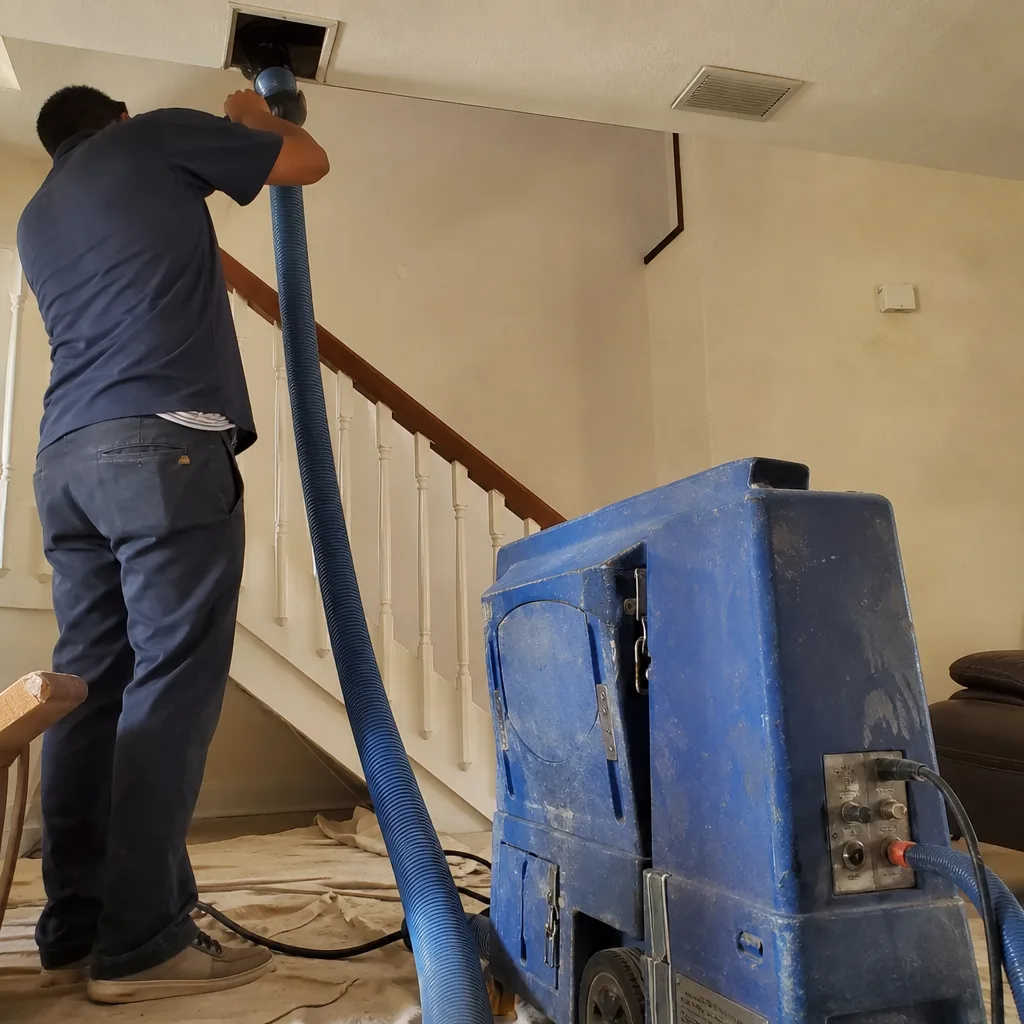 Before
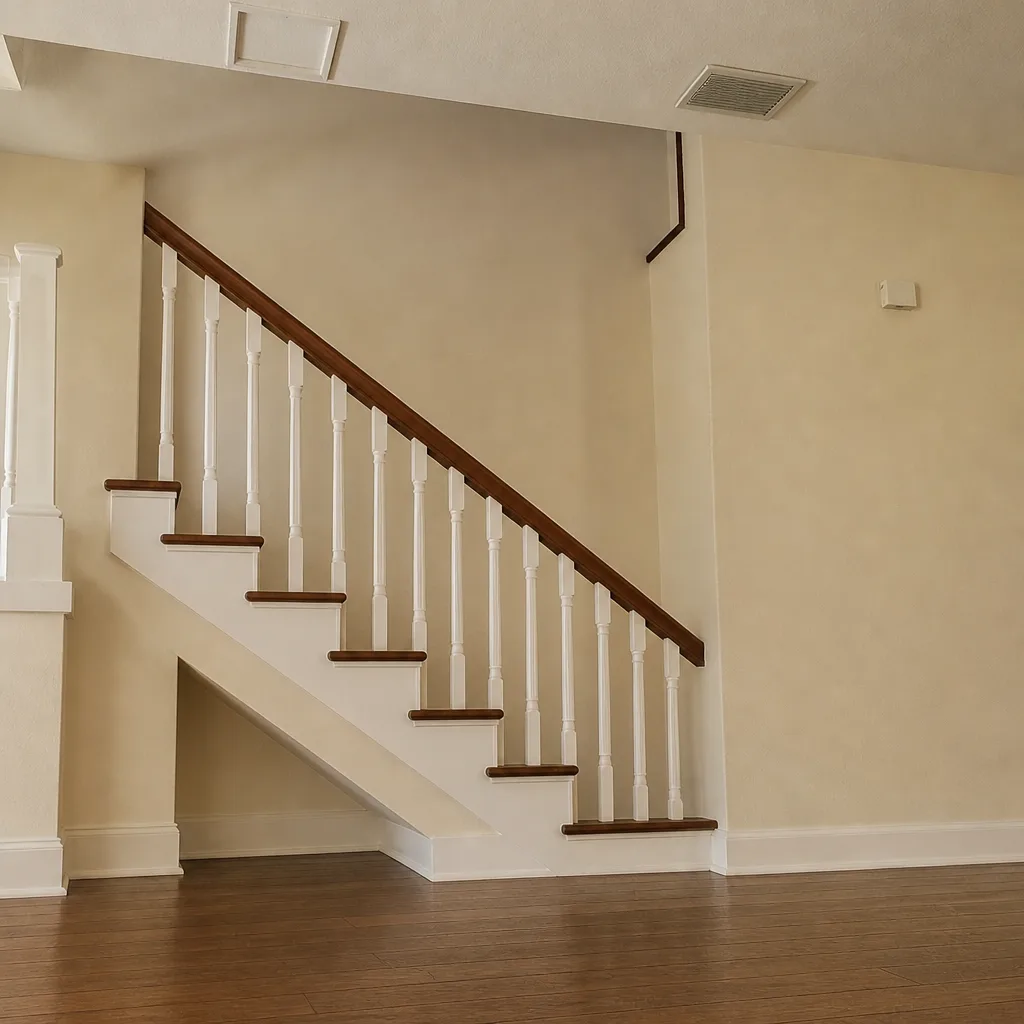 After
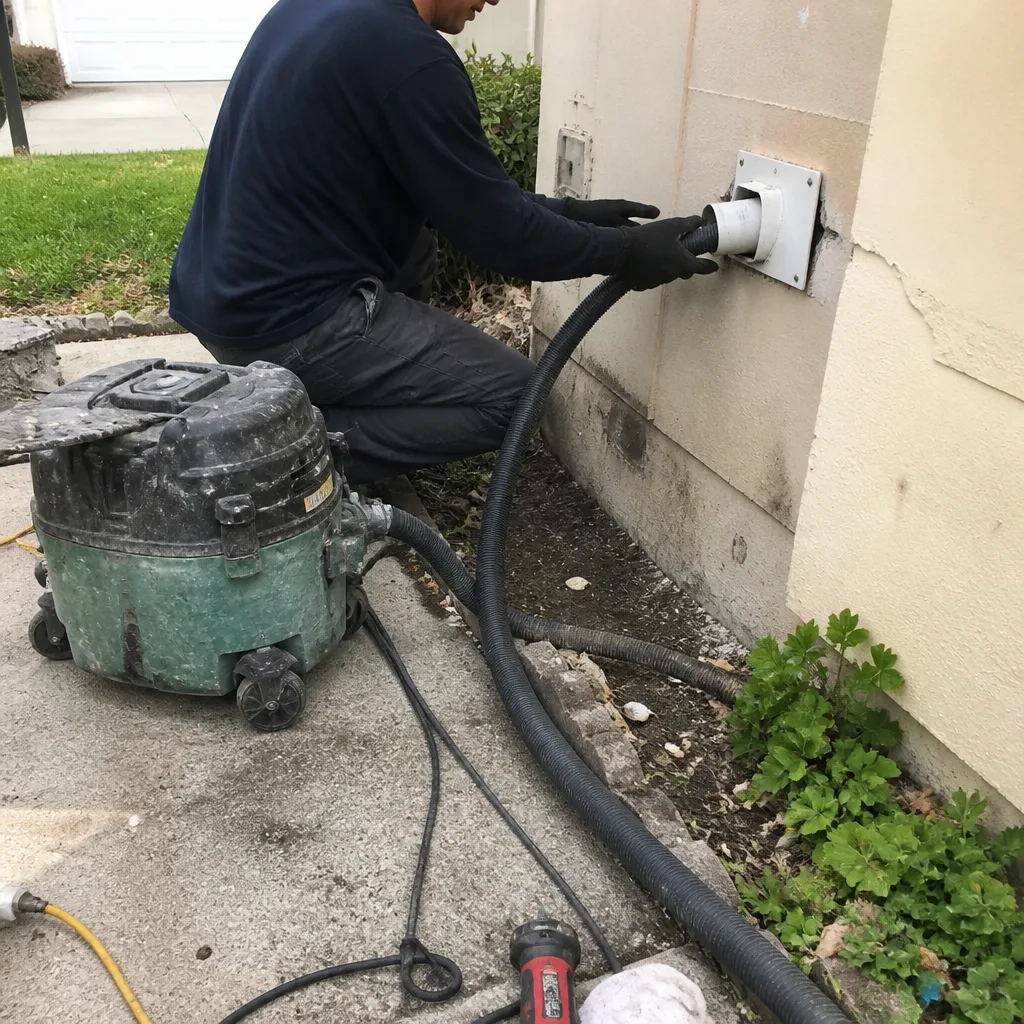 Before
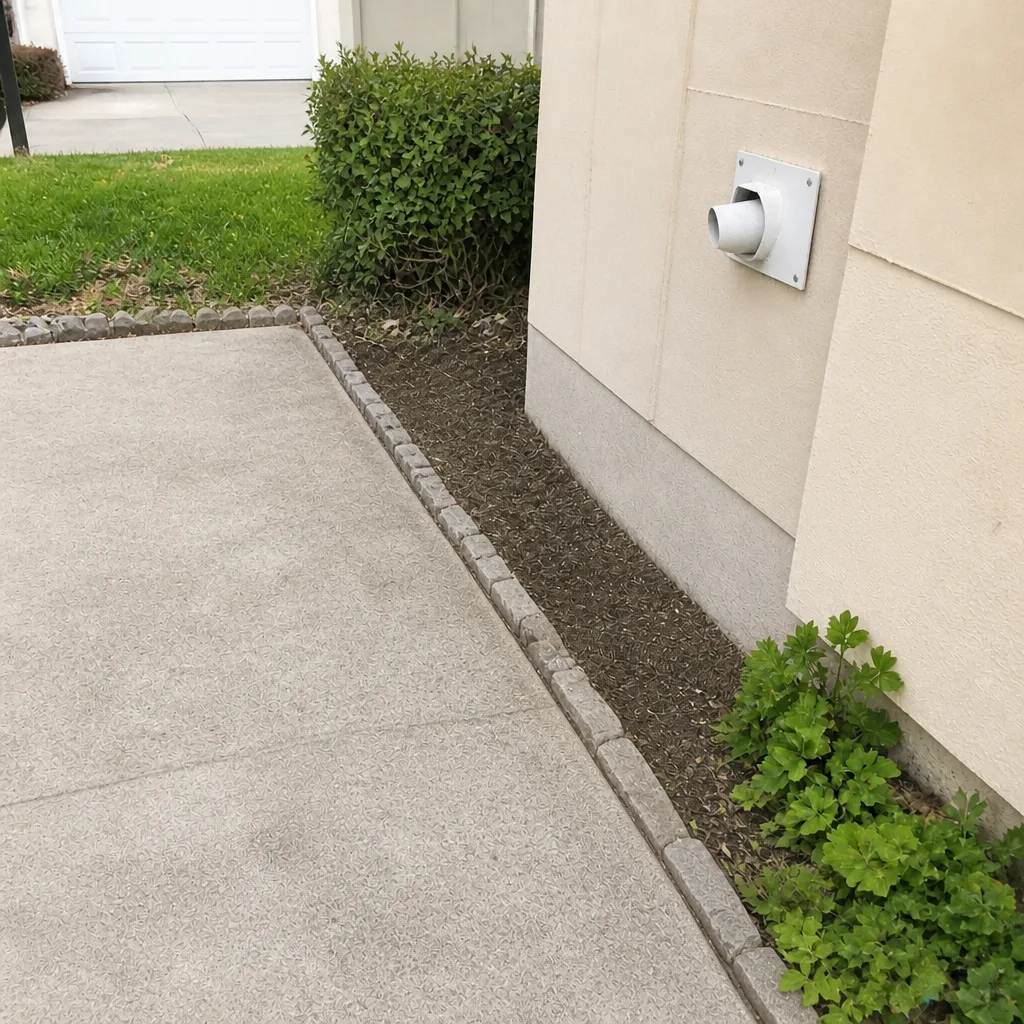 After
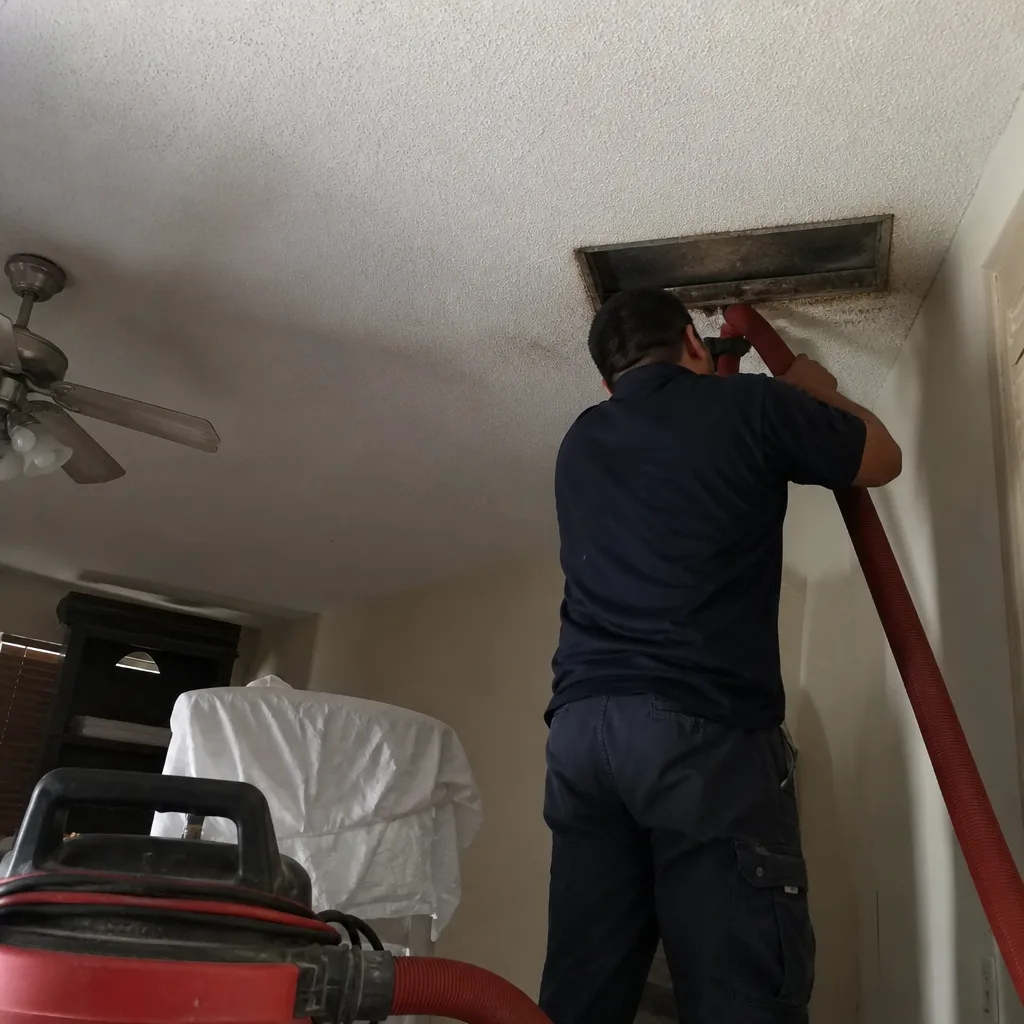 Before
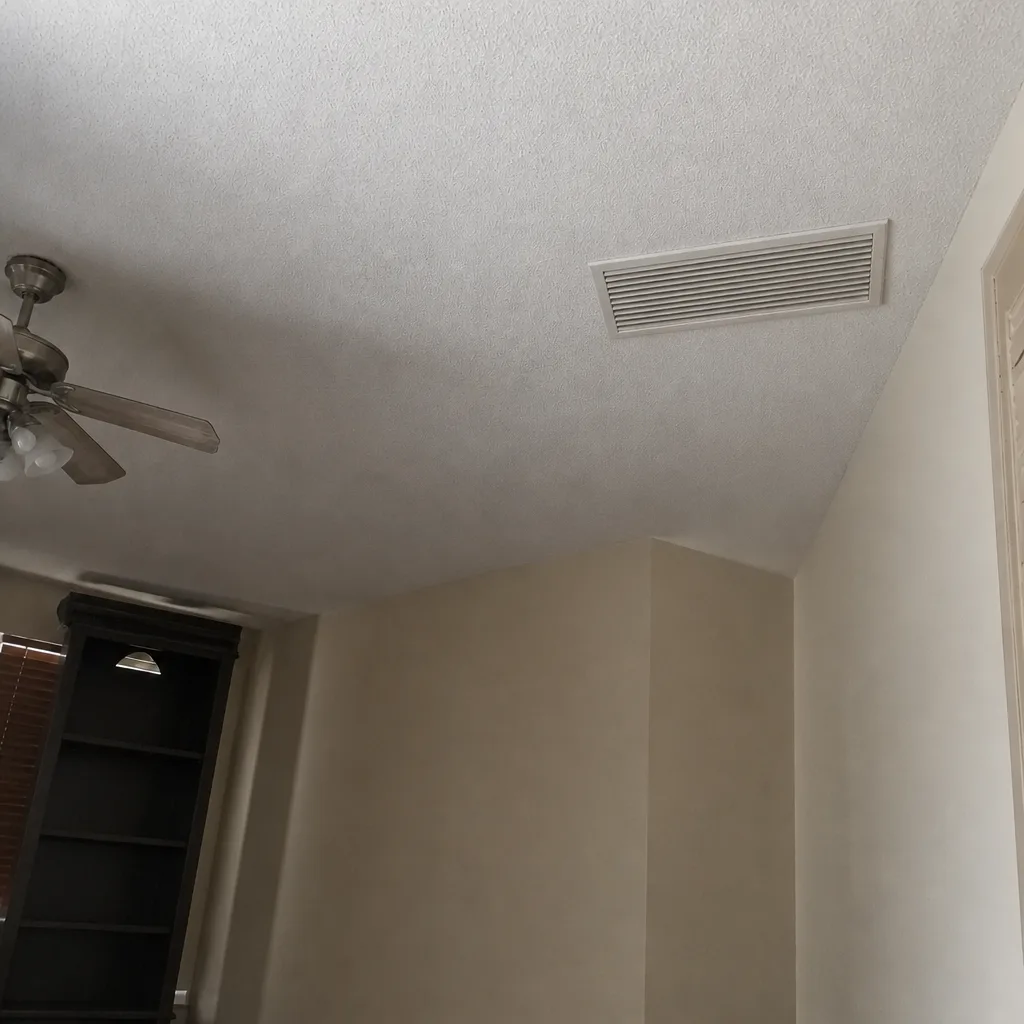 After
When to Call a Professional
Call a professional when you see visible mold or microbial growth in the ducts, plenum, or air handler; when there’s pest or vermin activity inside the system; when renovation dust, storm debris, or a water intrusion event has entered the ductwork; when particulate blows out of registers on system startup; or when someone in the household has a respiratory concern tied to the HVAC cycle. Don’t call a professional for “it’s been a year” – that’s a marketing deadline, not a real one. Duct Cleaning Miramar offers free estimates in Miramar – call (877) 583-7369. Our technicians have up to 13 years of experience, and we bring professional equipment – Rotobrush, Nikro, Abatement Technologies – not consumer shortcuts.
Frequently Asked Questions
Air duct cleaning in Miramar is priced per system by written estimate, not by vent count or coupon. Whole-system pricing depends on the number of runs, system size, and whether containment and air handler cleaning are included. We don’t quote per-vent teaser prices, and we don’t quote a number we haven’t scoped. Call (877) 583-7369 for a free estimate – the written estimate sets the price before any work starts.
Cheaper quotes usually reflect a lighter scope: no containment, no HEPA extraction, no air handler or coil work, and blow-and-go cleaning that doesn’t remove wall debris. The low number isn’t a discount on the same job; it’s a different job. Ask each contractor to describe their containment, extraction, and verification steps before comparing prices. Call (877) 583-7369 for a free estimate and a written scope.
You know the work was done when the post-clean report includes timestamped before-and-after photos of your own ducts, a list of components serviced, the specific method used (contact brushing with HEPA extraction), and any findings. A paper invoice with a checkmark doesn’t count. Ask for those materials before signing, and if a contractor can’t produce them, that’s your answer. Call (877) 583-7369 to talk through the report we deliver.
There’s no fixed interval. The honest answer is: when there’s a condition that warrants it – visible mold or growth, pest activity, post-storm intrusion, renovation debris, or worsening indoor air quality in the home. In Miramar’s humidity, homes are more prone to microbial issues inside ducts than dry-climate homes, so “when in doubt, inspect” is a reasonable posture. Inspect annually on your own, and call a professional when the inspection turns up something. Call (877) 583-7369 for a free estimate.
Yes, when the home has recently been built or remodeled. Construction dust, drywall dust, and framing debris end up in the ductwork during the build, and a clean after the work finishes is a reasonable first-year step. It’s not a recurring annual need – it’s a one-time reset. Call (877) 583-7369 for a free estimate if you’ve recently built or remodeled.
Cleaning only the ducts and skipping the air handler leaves the biggest source of microbial growth untouched. In Miramar’s climate, the air handler cabinet, blower, condensate pan, and accessible coil are where the first problem usually appears. Our process covers the system as a whole, and we stock and service Honeywell and Aprilaire filtration systems when the filter arrangement needs addressing. Call (877) 583-7369 for a free estimate.
We fix it in the same visit. Damaged flex duct, disconnected joints, torn insulation, and compromised boots are common in Florida homes, and cleaning a system that isn’t connected is wasted effort. Air Duct Repair is a named service we perform, not a referral – the same crew that cleans the ducts repairs what’s broken. Call (877) 583-7369 for a free estimate.
Dryer vent cleaning is a separate service, and it deserves the same professional tooling as duct work. A clogged dryer vent is a fire-safety item, not a convenience. Our crews use the same equipment on dryer runs as on duct runs, at the same rigor. Call (877) 583-7369 for a free estimate on both services.
The Bottom Line
Duct cleaning in Miramar is warranted when there’s a real condition inside the system – mold, debris, pest activity, water intrusion, or a recent renovation – not on a calendar schedule. South Florida’s humidity tilts the timeline toward sooner-than-dry-climate inspection but doesn’t justify blanket annual cleans. A proper job means source removal with contact cleaning and negative pressure, verified against the NADCA ACR standard and documented with before-and-after photos of your own system. Ask the five questions above before you hire anyone, and compare method, not price. If the system needs repair, fix it in the same visit; if the dryer vent is clogged, treat it as the fire-safety item it is.
One flat price per system, agreed before work starts. No per-vent pricing. Before-and-after photos of your own ducts. Free estimates.
Contact
Ready to find out whether your ducts actually need cleaning? Call (877) 583-7369 for a free estimate. We answer 24/7. Fast dispatch from 7am to 7pm, Sunday through Friday. We’ll assess the system, tell you honestly whether cleaning is warranted, and give you a written scope before any work starts.
Written by the team at Duct Cleaning Miramar.